
How to tell people they’re not invited to your wedding (without losing the friendship)
Most of the time you say nothing. For the small handful where silence reads as a snub, here are 7 verbatim scripts, a channel-choice matrix, the tier framework, and the delayed plus-one trick that handles the awkward middle cases without singling anyone out.
Manage Your Guest List FreeThe direct answer
Most of the time, you do not say anything at all. You simply do not send an invitation and trust that the person will read the room. Etiquette does not require you to proactively notify every person who will not be on the list. The assumption that you owe everyone a personal explanation is one of the most common sources of pre-wedding anxiety, and it is wrong.
The situations that require a direct conversation are a small, specific category: the close friend you talk to every week, the family member who would genuinely be surprised not to receive an invite, the coworker you sit next to daily who has been asking about the wedding. For those people, a short, warm message sent before invitations go out (and before save-the-dates start showing up on social media) saves the friendship. For everyone else, the absence of an invitation is a sufficient and socially legible answer on its own.
The A / B / C tier framework (and the gray zone)
Guest list clarity starts before you make a single individual decision. Build your tier framework first, then assign people to tiers. This prevents the inconsistency that generates resentment.
The tier framework is not a ranking of how much you love people. It is a planning tool that groups guests by how the wedding changes if they are not there. The A-list is the people whose absence would genuinely change the ceremony. The B-list is the people you would love to include if the venue or budget allows. The C-list is the people who would enjoy the day but will not be hurt by missing it. The gray zone is a category of its own: people where the social relationship makes the invite feel obligatory rather than genuine.
Once you have the tiers, you apply tier rules first. If you invite any first cousin from one branch of the family, you invite all first cousins from that branch. If you draw the coworker line at "people I see outside of work," that line applies to everyone at the office, not just the ones you like best. Consistent rules are defensible. Individual exceptions are grievances waiting to happen.
- A-List
Cannot imagine the wedding without them
Immediate family, closest friends, the people who know the full story of your relationship. If one of these people cannot attend, you feel it. Everyone on this list gets an invitation regardless of venue size. They are also the only people who get a direct conversation if a capacity emergency forces a cut.
- B-List
You'd love to have them if room allows
Extended family, close-ish friends from different chapters of your life, people you've grown apart from but still hold warmly. B-list guests get invited as RSVPs decline, using the staggered invitation window described in the B-list section below. They are invited; just not in the first wave.
- C-List
Budget tripling would not change the relationship
Distant acquaintances, neighbors you wave to, former colleagues from three jobs ago, your partner's childhood friends you have never met. These people will not be hurt by not receiving an invitation. No conversation is needed. The absence of an invite is a complete and appropriate message.
- Gray Zone
Courtesy include / courtesy exclude
Office teams, casual plus-ones for dating-but-not-serious relationships, the college friend group where you are closest to two people but see the whole group together. This is where most of the hard decisions and most of the conversations live. The framework here is: invite the full natural social unit, or invite none of it. Splitting a cohesive group almost always creates the most visible asymmetry.

Album shared with mom's sister
Who couldn't fly in
Give the uninvited a way to still be part of the day
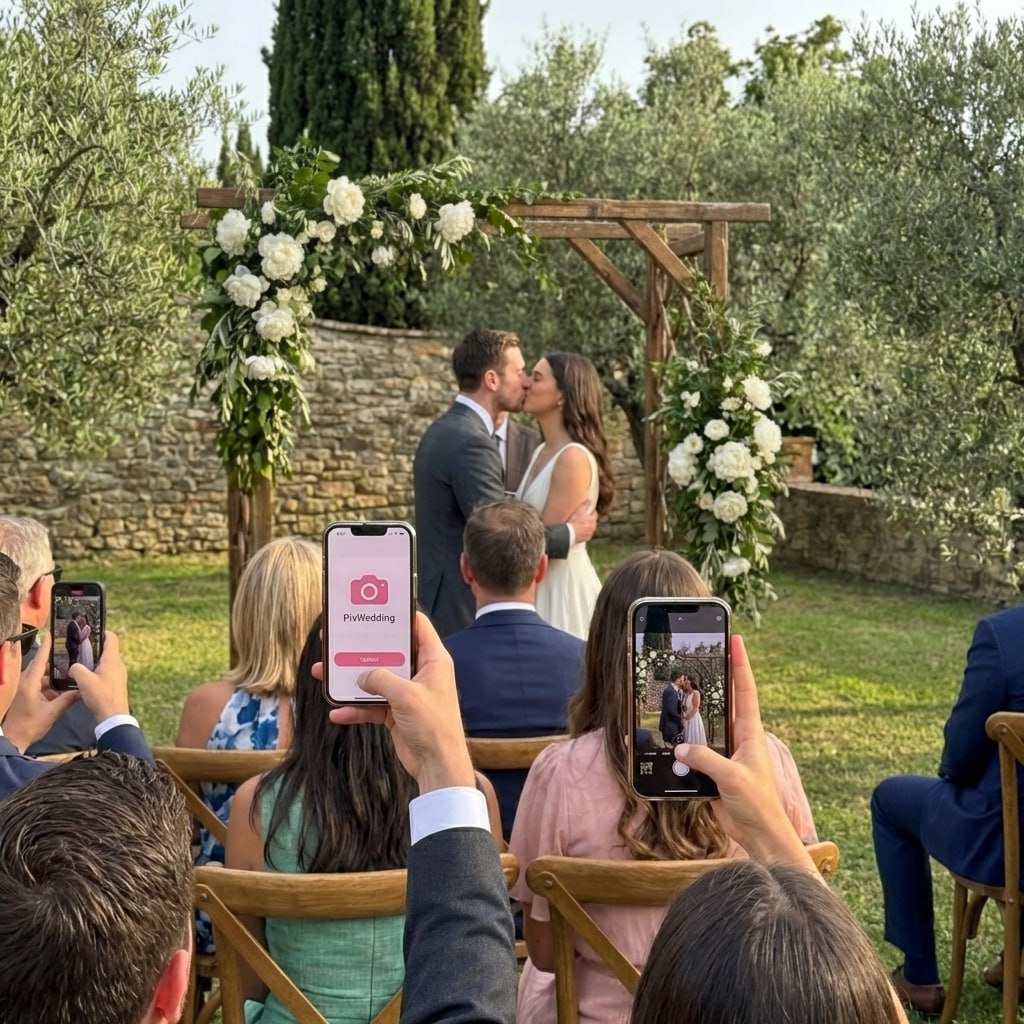
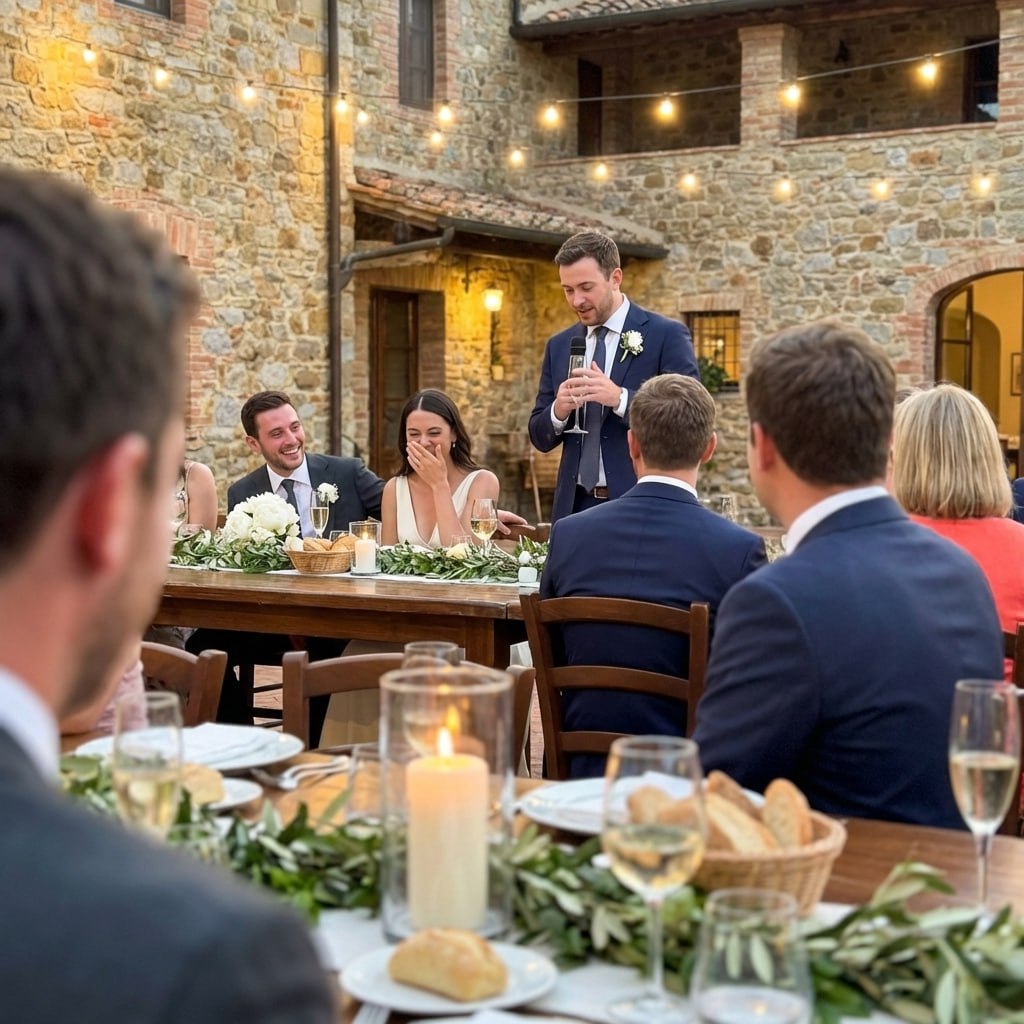
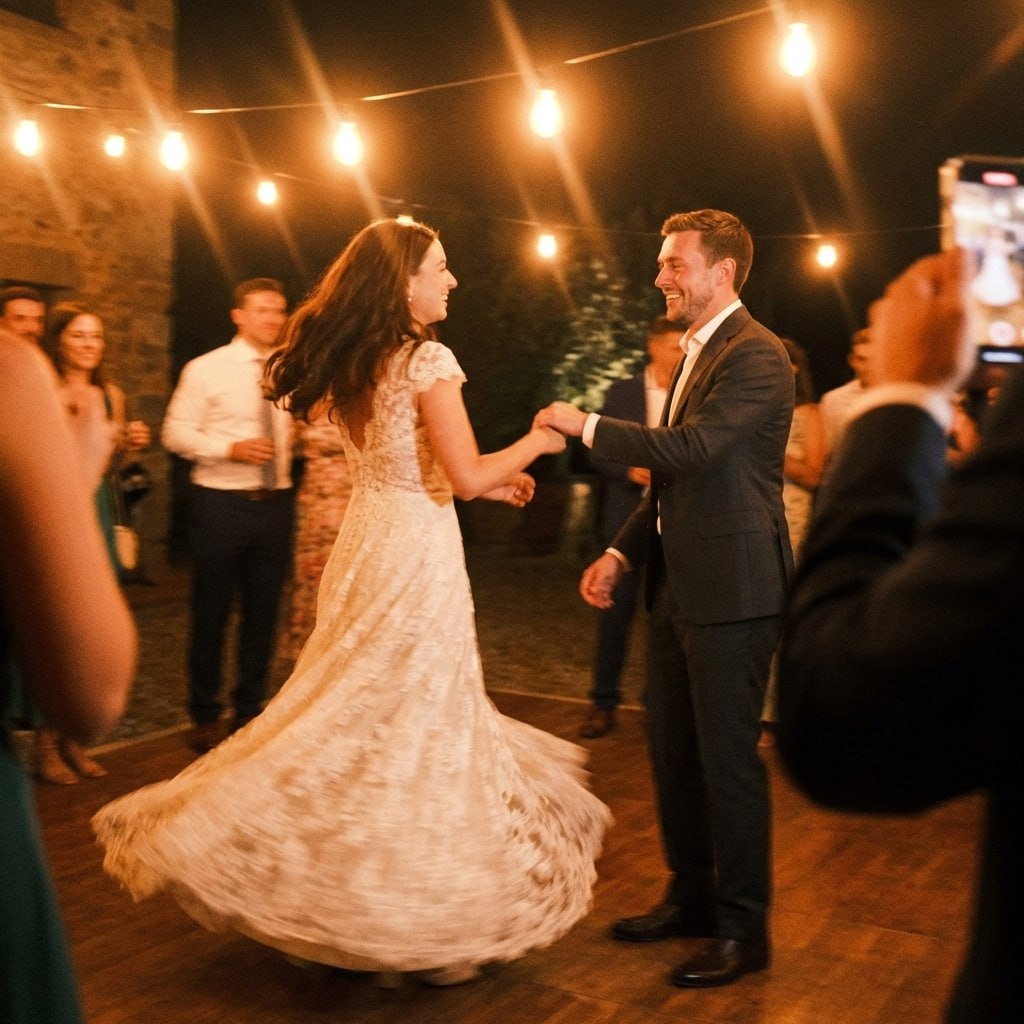
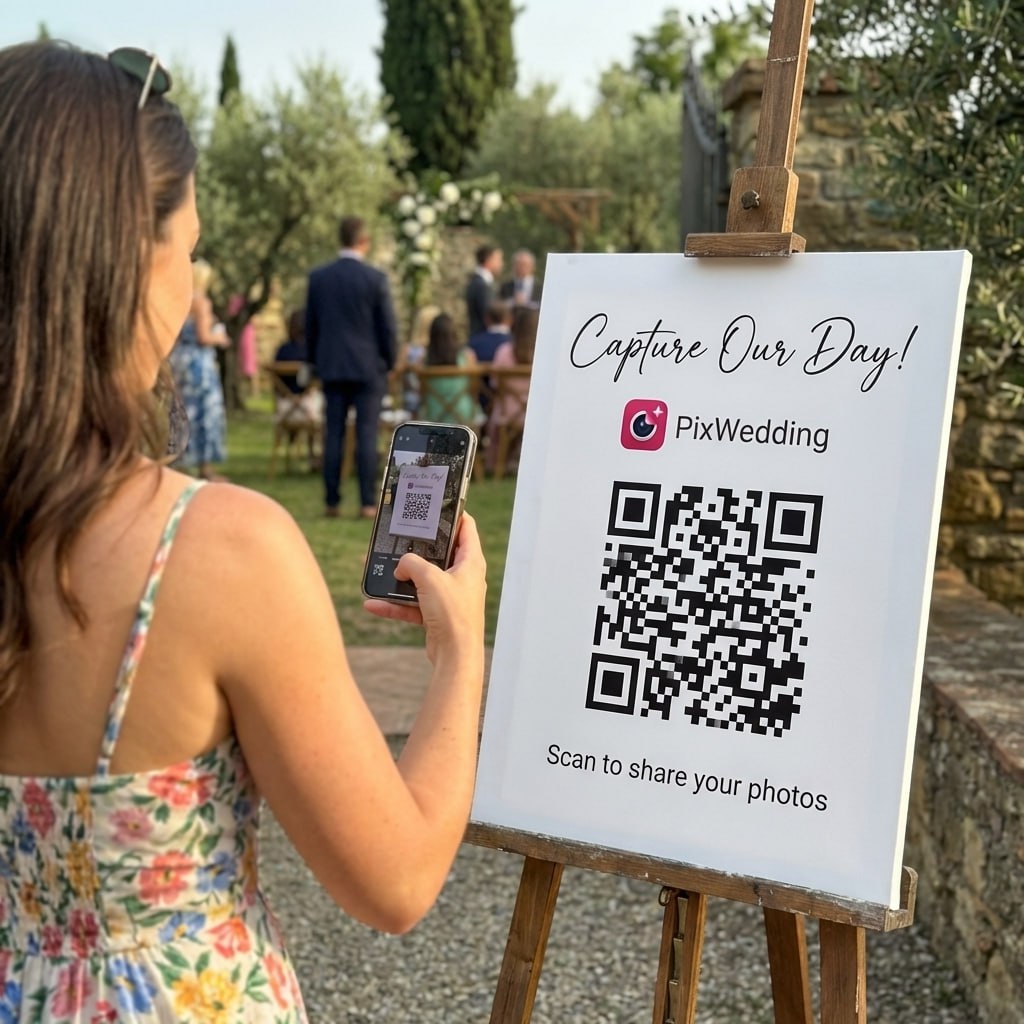
Share your QR album with the friends and family who couldn't make the guest list. They get to see the wedding through your guests' eyes, the same week.
From the bride
Scan to join the album
No app, no account
UPLOADING
Saving your moment
THE ALBUM
Emma & Jack
June 21, 2026
647 photos · 95 guests



SCAN TO TRY
pix.wedding/
your-wedding
7 verbatim scripts for every situation
Each script below is written to be sent or said as-is, with minor personalization. The goal is brevity, warmth, and a clear close. None of them over-explain, apologize excessively, or invite negotiation.
"Hey, I wanted to tell you this directly before invitations go out so you did not hear it secondhand. We are doing a really small wedding, just immediate family and a handful of people we have known forever. I felt so uncomfortable not saying anything to you, because you mean a lot to me. I really want to celebrate with you separately and I will make that happen. Thank you for being someone I could be honest with."
Usage note: Tone: warm, direct. Ends with a forward-looking gesture, not just an apology. Do not repeat the explanation if they push back; let the message sit.
"I appreciate you asking and I want to be straight with you. We are keeping the ceremony really tight, basically immediate family and close friends from outside work. I did not want you to wonder when invites went out. It is nothing about us or how much I enjoy working with you."
Usage note: Tone: professional, kind, closed. The phrase 'nothing about us' addresses the status-anxiety most coworkers feel without being gushing. Send as a private message, not verbally at the office.
"I wanted to call you before the invitations went out. We ran into a situation with the venue capacity and we were not able to extend plus-ones to anyone who is not already in the immediate family circle. I know that is not ideal and I am sorry for the awkwardness. [Name] is absolutely welcome at the celebration we are planning after. I hope you will still come."
Usage note: Tone: apologetic without over-apologizing. The 'already in the immediate family circle' framing makes this a policy, not a personal rejection of the partner.
"Honestly, I have been going back and forth on how to reply to this. We kept the guest list really small, focused on people we see regularly now. I genuinely miss how close we were and I think about you when the memories come up. This was not a reflection of how I feel about you, more a reflection of the season of life we are both in. I would love to catch up properly sometime."
Usage note: Tone: honest about the drift without blaming. The 'season of life' framing acknowledges distance without assigning fault. Use only if they reach out directly; do not send this proactively.
"Mom/Dad, I love you and I want this to be a day we all remember. Our venue holds [X] people. We have allocated [Y] spots for your side, including yourself. If someone needs to be added, someone currently on your list needs to come off. That is the hard limit. I am not going to be able to change that number, and I need you to work within it. I am asking you to trust me on this."
Usage note: Tone: firm, loving, non-negotiable. The critical element is the explicit instruction: 'someone on your list needs to come off.' This prevents the list from expanding by default. Send in writing so it can be referenced.
"Oh, it ended up being a really small ceremony. We barely had room for immediate family. I really want to celebrate with everyone after, so I am looking forward to that."
Usage note: Tone: breezy, non-defensive. The phrase 'barely had room' signals a hard constraint without inviting debate. Pivot immediately to the post-wedding celebration. Do not explain further, do not apologize. Say it and change the subject.
"We wanted to give everyone a heads-up before the invitations go out. We made the decision early on to keep the ceremony very small, basically our closest family members and a handful of people we have known for most of our lives. It was one of the hardest parts of planning. We are planning a bigger celebration later in the year and we genuinely want everyone there for that. Thank you for being part of this."
Usage note: Tone: warm, pre-emptive, forward-looking. This message travels well in a group text or email. The 'one of the hardest parts of planning' line signals that cuts were not casual, without requiring individual justifications.
Channel choice matrix: text, call, in-person, or nothing
The medium you use matters almost as much as the words. In-person for high-stakes relationships. Phone for family at a distance. Text for work acquaintances. Nothing for people who should not have expected an invite in the first place.
| Closeness level | Medium | Time investment | Why this medium |
|---|---|---|---|
| Best friend / person you see weekly | In-person or phone call | 15-30 minutes | The relationship warrants the investment. A text feels dismissive and they will notice. In-person lets you read their reaction and respond with warmth. |
| Close family member (cousin, aunt, sibling-in-law) | Phone call | 10-20 minutes | Enough relationship gravity to warrant voice. Text leaves too much room for misreading tone. Families talk, so the person will be better equipped to field questions from others after a proper call. |
| Work friend (talk daily, friendly outside office) | Private message (text or DM) | 5 minutes | A call escalates the formality in a way that can feel more awkward than the situation warrants. A written message lets them process privately without you watching. |
| Casual acquaintance (friendly but not close) | No proactive message needed | Zero | They are not expecting an invitation and a proactive message signals that you think they were. The absence of an invite is a complete and sufficient answer. |
| Anyone who asks directly after the fact | Respond honestly in whatever channel they reached out | 5-10 minutes | Match their medium. If they text, text back. If they call, call or call back. Do not upgrade or downgrade the channel, which reads as avoidance or over-seriousness. |
Situational decision matrix: what to do in 10 specific scenarios
The hardest guest list situations are the ones where the right move is not obvious. Here is a clear action for each.
| Situation | What to do |
|---|---|
| Friend posted on social media about your engagement and clearly expects to be involved | Send script 1 via text within 2 days, before save-the-dates reach mutual friends and they see the announcement gap firsthand. |
| Friend you care about has not reached out at all since the engagement | No proactive message needed. Their silence signals they are not tracking the wedding details closely. If they ask later, use script 4's honesty about the drift. |
| Coworker who is close to you but not to your partner keeps asking about dates | Send script 2 privately as a message, before invites go out. Acknowledge the closeness specifically rather than giving a generic "we are keeping it small" line. |
| Divorced parents each pushing to include guests the other would find uncomfortable | Give each parent a fixed number, in writing, early. Each parent manages their own number. Do not allow the family dynamic to expand the overall cap. Treat both sides identically so neither perceives favoritism. |
| Future in-laws adding distant relatives you've never met | Name the cap with your partner first, then the partner handles their own family. This is a boundary that works best coming from the person whose family it is. Provide a number, not a veto on individuals. |
| Workplace boss who may expect an invite because of hierarchy | No obligation. If they ask, the answer is 'very small, mostly family' and the subject changes. You do not owe a professional superior an invitation, and most bosses who ask are asking out of social habit, not genuine expectation. |
| College roommate you loved but have not seen in 3+ years | Only send a message if they reach out. If they ask, use script 4's 'season of life' framing. If they do not ask, the absence of an invite is a gentle and honest signal about where the friendship stands. |
| Neighbor who is aware of the wedding because of proximity | No message required unless you regularly socialize with them as a chosen-family type relationship. Proximity does not create an invitation expectation. If they ask in passing, script 6 handles it in one sentence. |
| Ex-partner's family members you still like personally | This almost always creates complexity with your current partner and your ex. Default to not inviting unless they are independently your family (e.g., a cousin of your ex who you grew up with). If you do invite, loop your partner in the decision first. |
| Someone who found out through a mutual friend before you could say anything | Reach out immediately. Acknowledge that they heard it indirectly before you had a chance to say something. Use script 1, adding one line: "I am sorry you found out this way, I was planning to reach out before invites went out." |
The delayed plus-one trick
Some couples set a plus-one cut-off date: partners the couple has met in person before the save-the-dates go out get a plus-one. Partners introduced after that date do not. This is a public, date-based rule, and it changes the dynamic completely. Instead of a personal judgment about whether someone's relationship is "serious enough," it becomes a timing rule that applies equally to everyone.
It handles the hardest middle case in plus-one etiquette: the guest who started dating someone after your engagement but before your wedding, who now wants to bring them. Without a stated cut-off, saying no to that request is a personal judgment call that the guest can reasonably interpret as a comment on their relationship. With the cut-off rule stated in advance, "we only extended plus-ones to partners we had already met" is a policy, not an opinion.
The rule only works if you communicate it early, ideally on your wedding website under an FAQ, and apply it consistently. The moment you make an exception for one guest, it becomes a personal judgment again and anyone who notices will wonder why they were judged differently.
A related variant: some couples extend plus-ones only to guests who are married, engaged, or have been living with their partner for more than one year. This is a slightly stricter rule and will result in some single guests attending alone, which is worth factoring into your seating chart and table assignments. Singles who attend alone at weddings are often the most fun guests at the reception; they are not distracted by managing their partner's social comfort.
What not to say: 6 phrases that backfire
The words you choose in a guest list conversation can inadvertently make things worse. These six phrasings are well-intentioned and almost always land wrong.
- 1
"We are keeping it really small"
Offensive when they later see 150 people in your wedding photos. If your wedding has more than 40 guests, calling it "really small" will read as a cover story. Use "we had a hard cap on the venue" or a number instead.
- 2
"The venue only fits X people"
Most people know venues have flexibility and can adjust table configurations. This explanation sounds like you are blaming the building rather than owning the decision. If capacity was genuinely the constraint, say "we hit the hard limit at [number]" rather than implying the venue is immovable.
- 3
"We could not afford more guests"
Puts the listener in the uncomfortable position of knowing exactly where they rank on a dollar-per-head calculation. Even if it is true, this framing makes most people feel worse, not better. "We kept it intimate" is less precise but less bruising.
- 4
"Maybe next time"
Next time what? There is no "next time" for a first wedding. This phrase signals that you know the excuse does not hold up and you are buying time. Leave it out entirely.
- 5
"My mom is being weird about the guest list"
Blaming a parent for cuts you are ultimately making is unfair to the parent and not credible to the person being cut. If a parent genuinely did have control of part of the guest list, you can say "one side of the family had more spots allocated," but do not make a specific parent the villain.
- 6
"You are basically family to me"
This phrase, delivered while explaining that someone is not invited, creates an obvious contradiction. If they were basically family, they would be at the family wedding. Reserve this kind of warmth for the conversation after the wedding, not the one explaining the cut.
The unwritten rules of plus-ones
Married or engaged: always invite
A married or engaged partner is always extended an invitation. This is not optional etiquette; it is a baseline expectation across virtually every cultural and social context. Inviting one half of a married couple alone is viewed as a snub to both, regardless of your feelings about the spouse.
Long-term cohabiting: almost always invite
A partner someone has lived with for a year or more occupies a similar social position to an engaged partner in most contexts. Excluding them requires a specific reason that is usually apparent to the guest, which makes the exclusion feel more pointed than intended.
Casual dating: the couple decides
Someone who has been dating for a few months and does not live with their partner is genuinely in optional territory. The cleanest framing is a policy rather than an individual judgment: 'We extended plus-ones to partners we had met by the save-the-date date.' This makes the decision impersonal.
Group friend who'd rather bring a date than come alone
If a solo guest specifically asks for a plus-one for someone you do not know, an honest no is better than a grudging yes. The script-3 framing works here: "We limited plus-ones to partners people had been with for [X] or were living with." This is a policy answer, not a personality assessment.
The B-list trick (and its ethics)
Many couples maintain a B-list of guests who receive invitations as RSVPs decline from the A-list. When it works, it is genuinely fair: B-list guests attend a wedding they would have enjoyed, and the couple fills a venue that would otherwise have empty seats. The mechanical requirement for this to work without visible awkwardness is timing: B-list invitations need to go out with enough lead time that guests can actually attend. That means A-list invitations go out at least 8 weeks before the wedding (vs the standard 6-week timeline) to leave room for declines and a second wave.
The ethical issue is this: the B-list system works only if B-list guests genuinely do not know they were B-listed. If you send invitations in two obvious waves (all A-listers at 10 weeks, a cluster of B-listers at 5 weeks), a socially aware B-list guest will notice the timing and correctly infer their status. Most will still come and enjoy the wedding; a few will feel diminished and remember it.
The practical safeguard is to never mail B-list invitations in a single obvious batch. If five B-listers get invited on the same day, they compare notes. Instead, send as individual declines come in, spacing them out. And if a B-list guest ever directly asks whether they were a second-round invite, the honest answer is gentler than a lie: "Our RSVP window clarified our final capacity and we were thrilled that meant we could include you." This is accurate, warm, and spares both parties the discomfort of a full disclosure.
One hard rule: if your wedding is under 30 people, the B-list becomes visible quickly. Tight guest lists mean B-listers almost certainly know your A-listers and will hear about the invite waves through conversation. At that scale, there is no B-list. You either invite someone or you do not, and you tell them directly if the relationship warrants it.
Related wedding planning guides
The Most Common Guest List Mistakes That Create Drama
Most wedding guest list friction is caused by three specific mistakes: not deciding the tier system before announcing the engagement, inviting people in person who then assume their plus-ones are also invited, and mixing budget conversations with relationship decisions.
Guest list drama almost always traces back to a couple making individual guest decisions without a consistent rule framework first. If you decide your cousin Maya is invited but your cousin James is not, someone will notice the asymmetry and ask why. The tier framework solves this: every guest belongs to a clearly defined category, and you apply the category rules first and individual exceptions second. 'We invited all first cousins' is a defensible rule. 'We invited Maya and not James' is a grievance.
The other major mistake is conflating cost with relationship value. When you tell a guest "we could not afford more people," you are implying your friendship was the cheapest thing on the list. Most guests find this more hurtful than a simple "we needed to keep it small." The financial reframe should never be the primary explanation given to the person being cut.
- •No tier framework before decisions: causes inconsistency that guests notice
- •Announcing venue or capacity limits in ways that invite negotiation
- •Telling guests they were cut for cost reasons rather than intimacy reasons
- •Making exceptions for loud complainers, which signals that pressure works
- •Inviting someone in person before the list is finalized, creating premature expectations
- •Waiting until after save-the-dates to have conversations that should happen before
How Far in Advance Should You Handle Guest List Conversations?
The timing rule is simple: any person who would expect an invitation and who you talk to regularly should hear from you before your save-the-dates go out or before your engagement shows up publicly on social media, whichever comes first.
In practice, this means handling the three to five most sensitive conversations in the weeks before you send save-the-dates. For everyone else, silence is the correct default. Most people who are not invited already sense it from the overall arc of your relationship, and a proactive conversation for an acquaintance or distant colleague creates awkwardness where none existed.
The failure mode to avoid is letting someone find out through a social media post or through a mutual friend before you have had a chance to say anything. If your engagement photos or save-the-date posts go up before you have had the close-friend conversation, you have lost the timing advantage and the other person is now managing hurt feelings in public.
The Unwritten Rules of Plus-Ones
Married and engaged partners are always extended an invitation, without exception. Inviting one half of a married couple and not the other is a genuine breach of etiquette that goes beyond guest list politics. This rule holds even if the couple has tensions with the spouse, and even if the couple has never met the spouse.
Long-term cohabiting partners are close to the same standard. Most etiquette authorities and most guests consider it appropriate to extend a plus-one to a partner someone has lived with for a year or more. The grey area begins with couples who have been dating for several months but are not living together.
Casual dating is genuinely optional. The couple decides. The cleanest policy is the one described in the 'delayed plus-one trick' section: plus-ones go to partners the couple has met in person before the save-the-date date. This is a public rule, not a personal rejection. It handles the 'I just started dating someone' situation without making the guest feel singled out.
One practical trap: if you offer a plus-one to one single guest but not another, be prepared to explain the asymmetry. The safest options are either everyone gets a plus-one if they want one, everyone in long-term relationships gets a plus-one, or no one gets a plus-one. A patchwork policy based on individual judgments tends to create its own drama.
Explore more free wedding tools
Everything you need to make your wedding day stress-free and unforgettable.
QR Sticker Designer
Design custom print-ready stickers.
Hashtag Generator
Create unique wedding hashtags.
How to Collect Guest Photos
5 methods ranked by participation rate and ease.
Share Wedding Photos with Guests
Compare every sharing platform by ease and participation.
Best Way to Get Guest Photos
The single method with the highest participation rate.
How to Make a Shared Wedding Album
Step-by-step setup for every platform.
Alternative to Disposable Cameras
Better, cheaper options than disposable cameras.
Alternative to Wedding Photo Booth
5 cheaper alternatives to a $1,000+ photo booth rental.
Wedding guest list cuts: FAQ
Straight answers to the questions people ask most about this topic.
You do not need to tell every coworker directly. Only have the conversation with a coworker you speak to daily and who would reasonably expect an invitation. The script is: 'We are keeping the wedding really intimate, mostly immediate family and childhood friends. I wanted to tell you before the invite wave went out so you did not hear it secondhand.' Send it as a message two to three weeks before save-the-dates go out. For coworkers you are friendly with but not close to, you are not obligated to say anything proactively.
For married or engaged couples, inviting one partner without the other is considered a breach of etiquette in most cultural contexts. For long-term cohabiting couples, most etiquette standards say plus-ones should be offered, though it is not an absolute rule. For people who are casually dating, the couple gets to decide, and a brief explanation ('we are limiting plus-ones to partners we have met in person') is a fair and non-personal framing. Never use a guest's relationship status as a proxy for how much you value them as an individual.
No. There is no etiquette rule requiring every cousin to be invited. The relevant standard is internal consistency: if you invite one cousin from a branch of the family, it is courteous to invite all cousins from that branch to avoid obvious favoritism. If you invite no cousins at all, that is a clean line that is easy to communicate and easier for people to accept. The hardest scenario is cherry-picking within a group, which nearly always causes resentment.
The cleanest approach is a written number, not a negotiation. 'We have a hard venue cap of X guests total. We have allocated Y spots for each side of the family, including parents. If you want to add someone, one person currently on your list needs to come off. We will not be adding spots.' The key is delivering this in writing (email or message), so there is no room for a counter-argument to escalate. Avoid explaining or justifying individual cut decisions to your parent. The number is the boundary.
Almost never, without causing significant harm to the relationship. Once a save-the-date has been received, the person has begun making plans. Un-inviting them is one of the few genuine etiquette violations in wedding planning and will almost certainly end or permanently damage the relationship. The only defensible exceptions are a guest who has done something genuinely harmful since the save-the-date was sent, or a significant wedding-structure change (elopement, venue closure) that affects everyone equally.
Be brief, honest, and warm. 'We had to make really hard cuts to stay within our venue limit. I value our friendship and I wanted to be straightforward with you rather than make excuses. I hope we can celebrate separately.' Do not over-explain or list the criteria. Do not apologize excessively, which can feel performative. The goal is to acknowledge their feelings, state the reason simply, and offer a path forward. If they are hurt in the short term, that is understandable. Most people, given time, respect directness more than vagueness.