
Is It Rude to Not Give a Wedding Gift? Only if you skip the card too
Etiquette still expects something from every invited guest, but that something can be a heartfelt card when money is tight. Here is what the Emily Post Institute and The Knot say, eleven common situations with a clear verdict, card wording you can copy, and how late a gift can arrive.
“Watching you two say your vows was the best part of my year. With so much love, Sam”
Example card wording, names made upSkipping the gift is forgivable. Skipping the card is not.
By traditional etiquette, yes, giving nothing at all is rude. The Emily Post Institute says a wedding gift “is still considered obligatory today, even if you don't attend the wedding.” In the same breath it gives the way out: if you cannot afford a gift, “be sure to give a card with thoughtful words of congratulations.” The Knot is looser: you are technically not required to give a gift, but it is proper etiquette to give something.
So the real line sits between a small gesture and silence. A card, a group gift, a $25 registry item, or the photos you took all count. What reads as rude is sending nothing and saying nothing. For the dollar side of the question, see how much money to give as a wedding gift or run the wedding gift calculator.
Emily Post and The Knot agree on most of it, and differ on one point
Both say give something if you can, spend what fits your budget, and send it within about three months. They split on guests who decline: Emily Post still expects a gift, while The Knot leaves it to you.
“If you can't afford a gift (or the materials to make one), then be sure to give a card with thoughtful words of congratulations.”
Lizzie and Dan Post, Emily Post Institute, Sept 2025
“Anytime you're invited to a wedding, it's good etiquette to send a gift, even if you don't plan to attend.”
Lizzie Post, AARP etiquette column
| Situation | Emily Post Institute | The Knot |
|---|---|---|
| You attend the wedding | Emily PostExpected. A gift "is still considered obligatory today." | The Knot"Technically, you aren't required to give a wedding gift, but it's proper etiquette to give something." |
| You decline the invitation | Emily PostStill expected: obligatory "even if you don't attend the wedding." | The KnotGenerally encouraged, but "ultimately up to you." The RSVP is the only firm must. |
| Money is tight | Emily Post"Give a card with thoughtful words of congratulations." | The KnotOkay to skip the present and send warm regrets and well-wishes instead. |
| How much | Emily PostWhatever is in your budget, whether $25, $100 or $250. | The Knot$150 average, used as "a starting point rather than a target." |
| Deadline | Emily PostBefore, at, or within three months after the wedding. | The KnotTraditionally up to a year, but aim for three months. |
| Second wedding | Emily PostNo obligation if you went to the first wedding and gave a gift. | The KnotNot covered in the pages we checked. |
Sources: Emily Post Institute Etiquette Today: Wedding Gifts and No Gifts, Please; The Knot wedding gift rules, gifts when not attending and how much to spend; checked 27 September 2026.
Eleven situations, one verdict each
Find the row that matches you. The verdict is the etiquette floor; you can always do more.
| Situation | Verdict | What to do |
|---|---|---|
| You attend and can afford a gift | Expected | Registry item, cash or a check in an amount you are comfortable with. |
| You attend but money is tight | Card counts | A handwritten card with real congratulations. Emily Post names this as the answer when a gift is out of reach. |
| You decline a close friend's wedding | Expected | Send something small, or a card, before or soon after the date. Emily Post says the obligation does not end with your RSVP. |
| You decline a coworker's or acquaintance's wedding | Card counts | The Knot says it is okay to skip the present for casual acquaintances. A warm note keeps it gracious. |
| You are in the wedding party | Smaller is fine | The Knot calls it perfectly fine to lower your budget when you are also paying for attire and the bachelor or bachelorette party. |
| Destination wedding with flights and hotels | Smaller is fine | Guests who fly spend $1,680 on average (The Knot). Give what is left in the budget and do not skip the card. |
| You already gave a shower gift | Expected | Invited to both, plan a gift for each. A shower is the one event where a gift is required, Lizzie Post told The Knot. |
| Second wedding, and you gave at the first | Optional | Emily Post says you are under no obligation to give again. A card or small gesture is kind, not required. |
| The couple asked for no gifts | Skip it | Honor the request. Bringing a box anyway puts the couple in an awkward spot with guests who listened. |
| You are someone's plus-one | Optional | You can give jointly with your date. Plus-ones who gave alone spent $120 on average (The Knot). |
| The whole family was invited together | Expected | One gift covers the household. Adult children with their own invitation give separately, per The Knot. |
Five questions that settle it
Answer from the top and stop at the first answer that ends the path.
- 1
Did the couple ask for no gifts?
Yes: Send a card and stop there.No: Keep going. - 2
Is it a second wedding and you gave at the first?
Yes: A card is enough.No: Keep going. - 3
Can you give something without straining your budget?
Yes: Keep going.No: Send a heartfelt card now. Add a small gift later if things change. - 4
Have you already spent a lot to be there (flights, wedding party, shower)?
Yes: Give a smaller gift. That is normal.No: Keep going. - 5
Pick the amount by closeness, not by the cost of the meal.
Send it within three months. The gift calculator suggests a range by relationship.
Gifts that cost little or nothing at all
Emily Post's own budget examples run from $25 to $250, and a card covers the rest. These four options keep you on the right side of etiquette without a registry-sized spend.
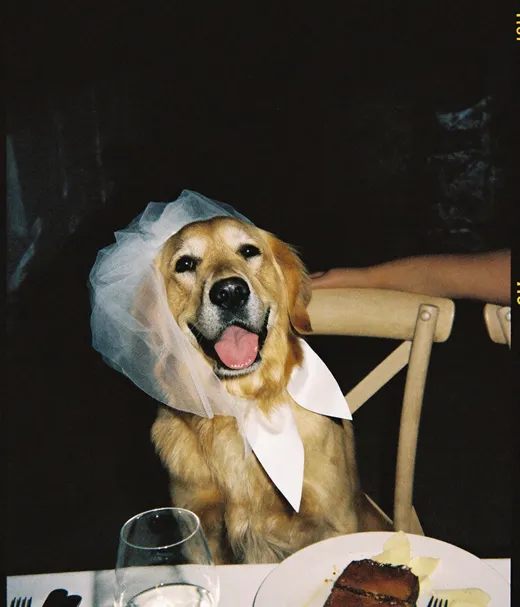
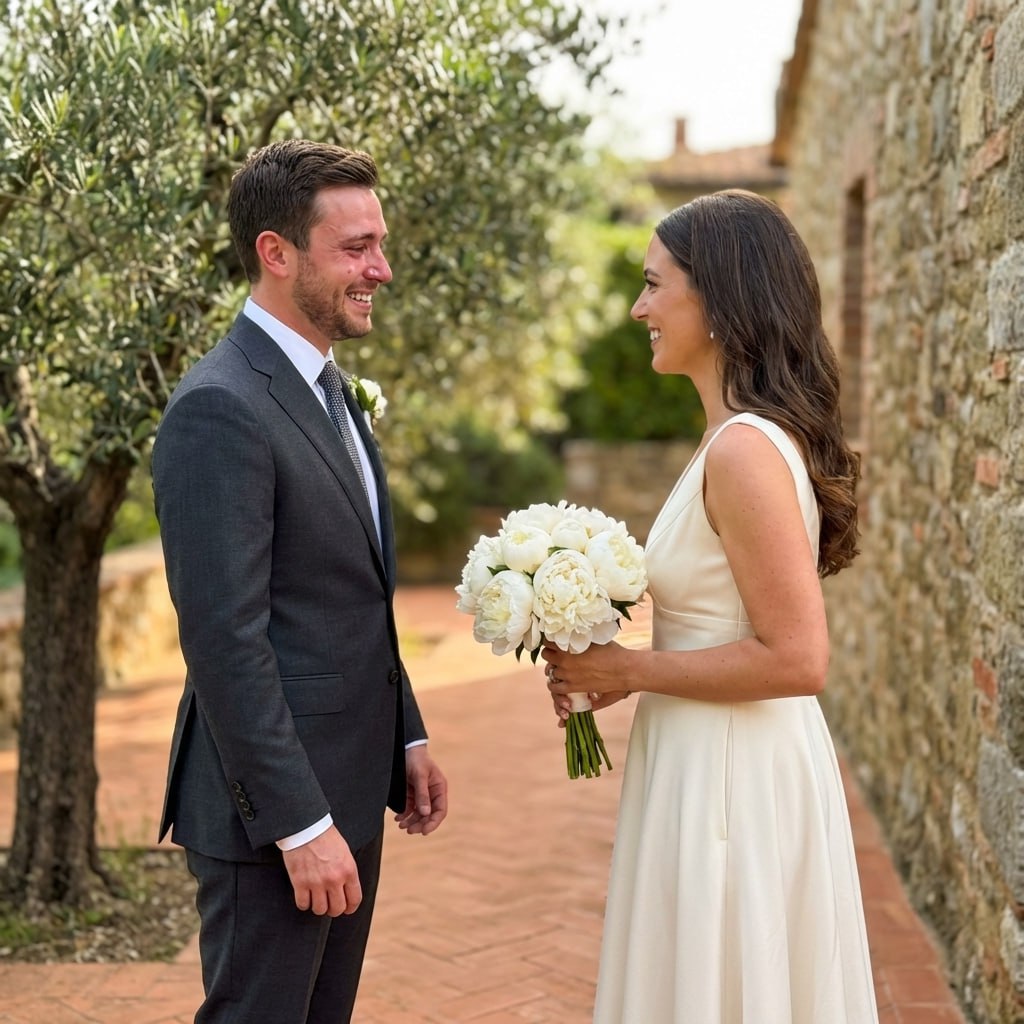
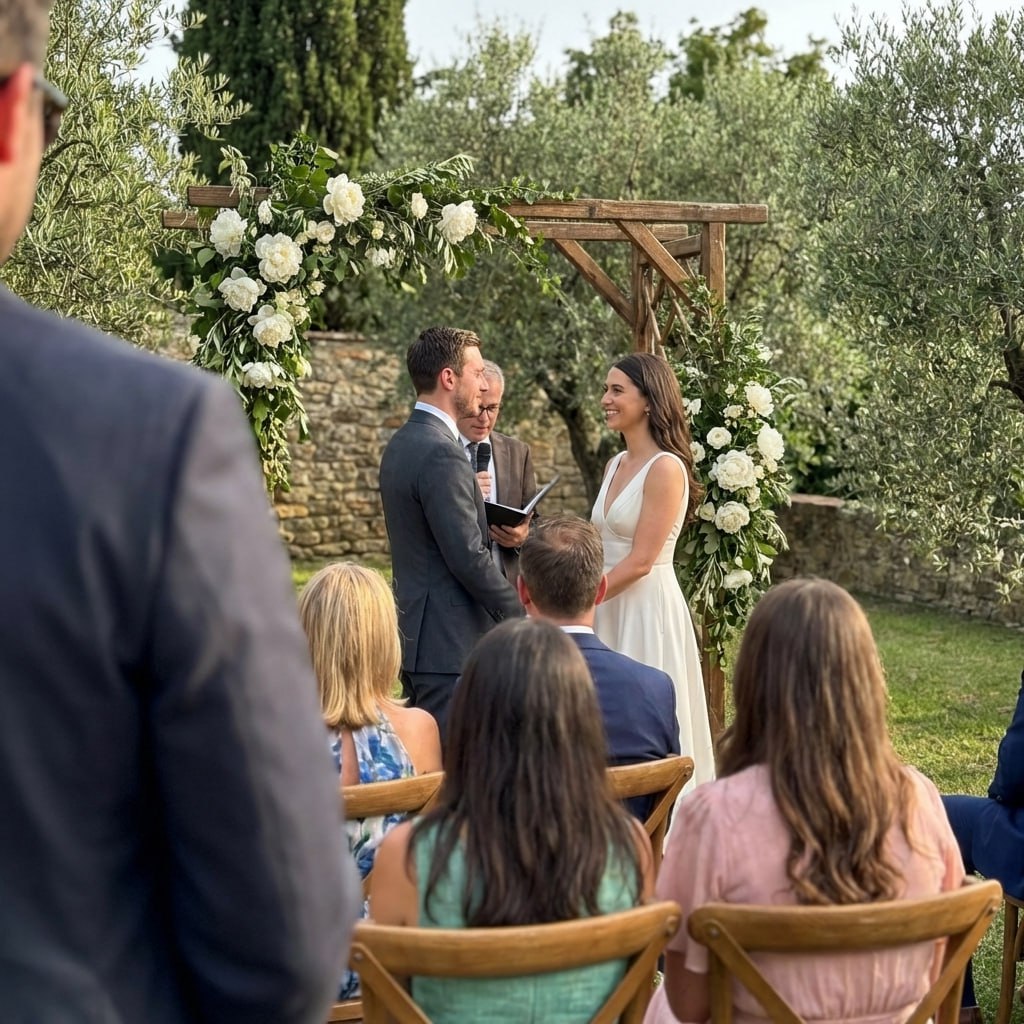
 Emma & LeoPhotos from our guests
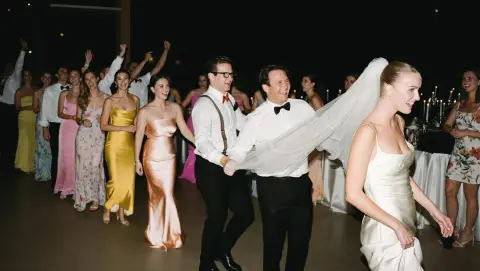 From Sam
 From Sam
 From Aunt Rosa
A card that says something real
Name a memory with the couple and one wish for the marriage. It costs a stamp and it gets kept long after the toaster breaks.
A group gift
The Knot calls group gifts acceptable, even encouraged. Five friends at $30 each can cover a big registry item none of you could buy alone.
Something you make
A framed print of their venue, a recipe book from both families, or a song you record. Emily Post includes the materials to make a gift in its budget advice.
The photos you took
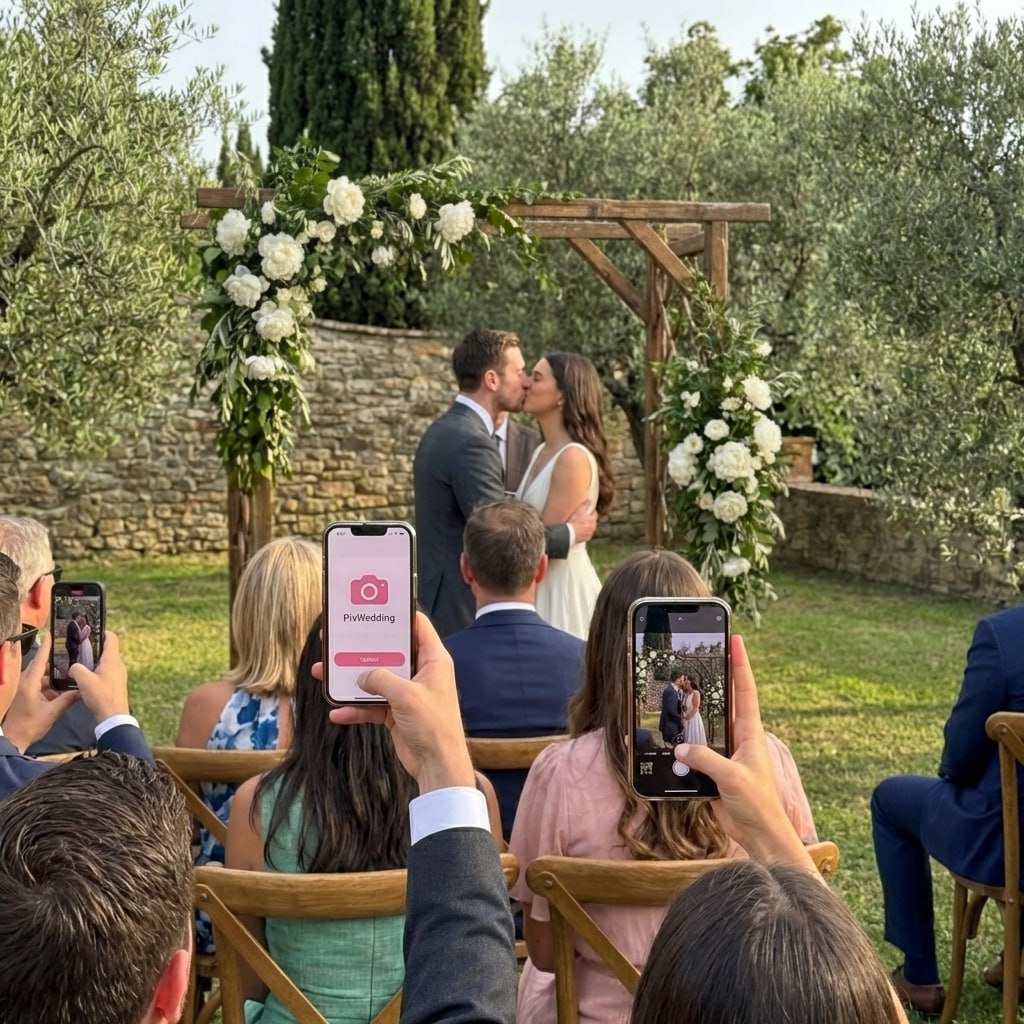
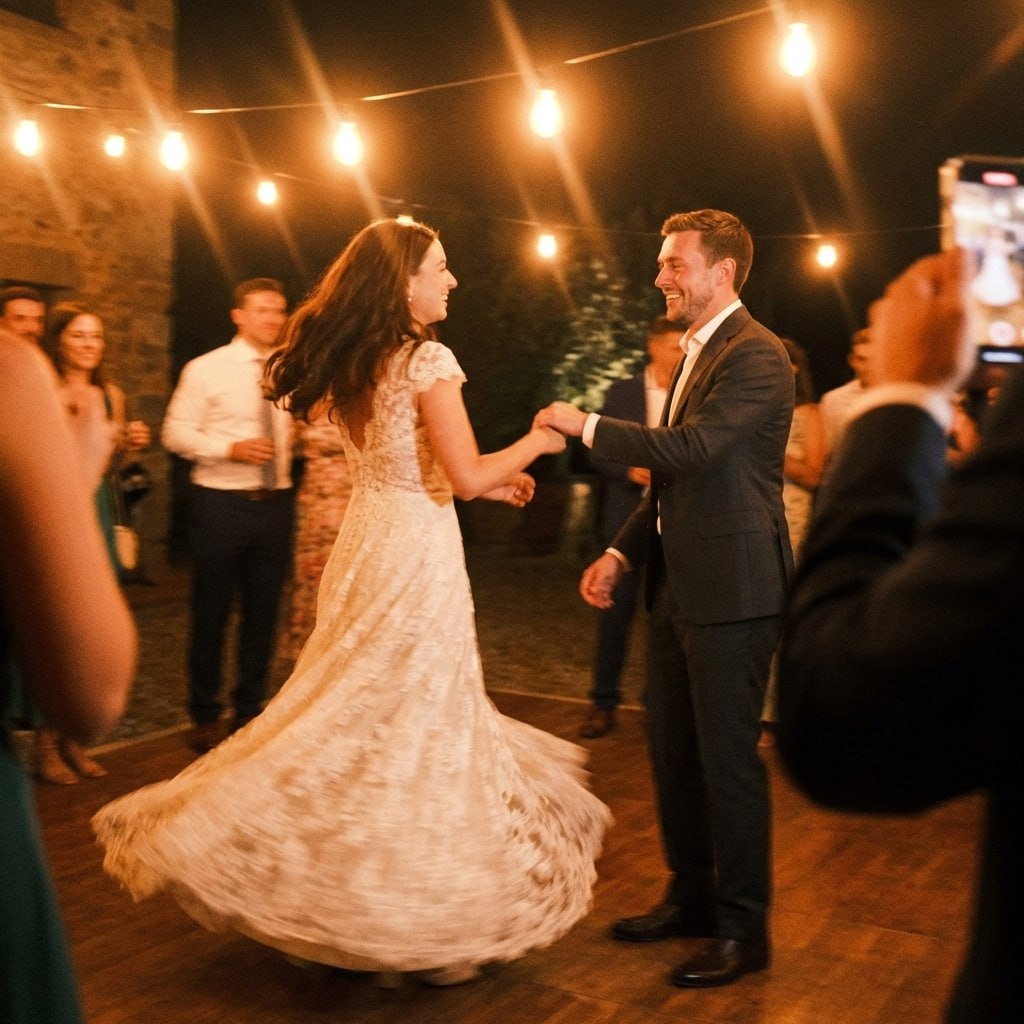
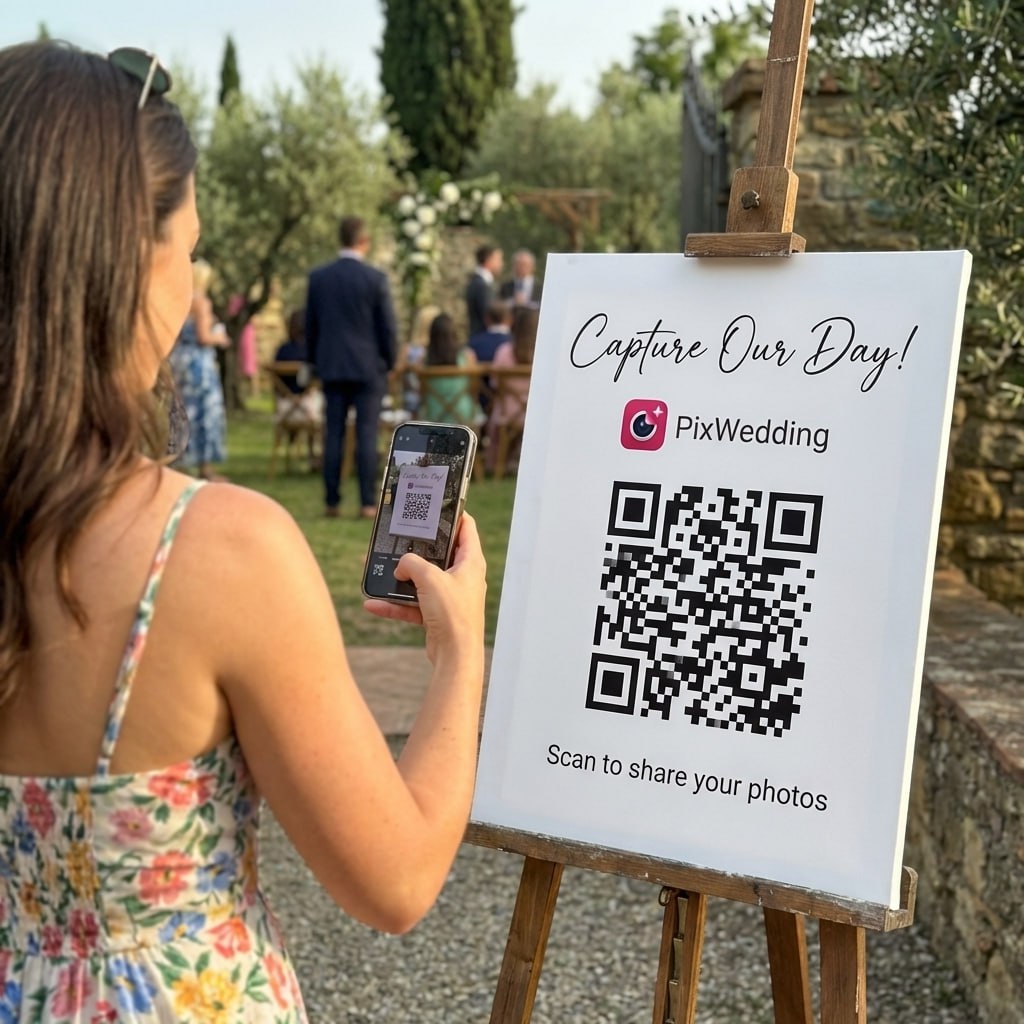
Many couples set up a shared album or a QR code for guest photos. Uploading your best shots from the day is a present nobody else can give them.
Group gifts: The Knot. Budget examples and handmade gifts: Emily Post Institute. Both checked 27 September 2026.
Your photos of the day are a gift too
If the couple has a guest photo QR code, scan it and add what you shot. Couples keep those candid photos long after the toaster is gone.




Scan to join the album
No app, no account
UPLOADING
Saving your moment
THE ALBUM
Emma & Jack
June 21, 2026
647 photos · 95 guests




What to write in the card when there is no gift
Short, warm and specific beats long and apologetic. Swap in your own memory and names.
Dear Emma and Leo,
Watching you two say your vows was the best part of my year.
I hope your marriage is as full of laughter as your reception was.
With so much love,
Sam
No apology, no mention of money. The card is the gift.
Dear Emma and Leo,
I'm so sorry I can't be there to celebrate with you.
I'll be thinking of you on the day and can't wait to see the photos.
Wishing you a wonderful marriage,
Sam
Send it as soon as you know you cannot go, as The Knot suggests.
Dear Emma and Leo,
This is later than I wanted, but my wishes for you haven't changed.
I hope married life is treating you both well.
With love,
Sam
One line on the delay is enough. Late beats never.
Dear Emma,
Standing next to you on Saturday meant everything to me.
This is a small something for your new home.
Love you both,
Sam
The couple knows what the dress, shower and trip cost you.
Need more wording? The wedding cash fund wording page covers notes that go with money.
How late is too late for a wedding gift?
Late is not the same as rude. A gift that arrives four months after the wedding still counts.
- Before the wedding
The easiest option. Registry gifts ship straight to the couple's home, so nothing gets lost on a crowded gift table.
Best - At the wedding
A card with a check fits in a pocket. Skip the big wrapped box; The Knot notes nobody wants to carry a blender to the reception.
Fine - Within three months
The window Lizzie Post gives in her AARP column and the one The Knot recommends.
On time - Three to twelve months
The Knot says the traditional rule allowed up to a year. Add one line about the delay and send it.
Late but fine - After a year
Our advice: still send the card. A warm note a year late reads better than silence.
Still worth it
Sources: AARP, The Knot, Emily Post Institute, checked 27 September 2026.
The gift comes on top of the trip
The Knot's 2024 Guest Study put the average cost of attending a wedding at $610, and the spread depends on distance. The Knot also says a guest who spent $1,000 on a bachelor or bachelorette trip and traveled for the wedding should not feel pressure to splurge on the gift.
Cash, gift or gift card
In The Knot's Guest Study, 50% of guests gave a physical gift, 40% gave cash and 10% gave a gift card. Any of the three is fine.
More than one event
The Knot's Real Weddings Study found 65% of couples had a shower and 75% a bachelorette party. Close friends often get several invitations.
Presence first
The Knot reminds guests that the couple invited them for their company, not for a gift or a new outfit.
An etiquette expert on wedding gifts
A TV segment on gift choice and spend, useful if you would rather hear it than read it.
Etiquette for wedding gifts and ceremonies
WFMY News 2 talks to a culture and etiquette expert about the best wedding gifts and how much to spend. Worth a watch before you pick a number.
WFMY News 2 on YouTube, May 2024, 6:17Six ways a small budget turns into a rude one
Skipping the card along with the gift
Silence reads far worse than a small budget. The card is the part etiquette never lets you drop.
Explaining your finances
A long apology about money makes the couple feel guilty. The Knot's advice for guests who cannot afford to attend is to send well wishes without detailing why.
Treating the gift as the price of your plate
Lizzie Post says you are not obligated to pay for your plate, and The Knot calls the old cover-your-plate rule unrealistic for many budgets.
Loose cash with no name
Cash is fine on its own, but Post recommends giving it with a card so the couple knows who it came from.
Hauling a boxed gift to the reception
Someone has to load it into a car at midnight. Ship registry gifts to the couple's home instead.
Waiting for the right amount, then forgetting
Send the card now and the gift when you can. The three-month window is generous but it does end.
Sources: AARP, The Knot, The Knot guest cost, checked 27 September 2026.
A guest gave nothing. Now what?
Gifts arrive late, cards get separated from checks, and the guest who looked empty-handed may have shipped something to your parents' house. Give it three months before you read anything into it, and even then, let it go.
Do
- Thank every guest for coming, whether or not a gift arrived
- Wait three months before deciding something is missing; gifts arrive late
- Check the gift table, the card box and your cash fund before assuming anything
- Thank people for cards, help on the day and the photos they shared
- Remember The Knot's data: only 6% of guests reported giving nothing
Don't
- Ask a guest where their gift is
- Mention missing gifts in a thank-you note or on social media
- Compare what different guests spent
- Let one missing gift change how you treat a friend
- Assume the worst; cards get lost and checks get misplaced
Some guests give in ways that never show up on the gift table. With Pix Wedding you print one QR code and guests add their photos and videos from the phone browser, no app and no account, so the friend who could only afford a card still leaves you the shots from the dance floor. The first 20 uploads are free, and paid plans are one-time payments from $49. See how wedding guest photo sharing works.
Scan. Upload.
Their photos are the gift.
Watch how a guest scans the couple's QR code and adds photos from the phone browser with no app and no account. For a guest on a tight budget, the pictures from the dance floor are a present the couple keeps.
GUEST PHOTOS
Emma & Leo
Example album
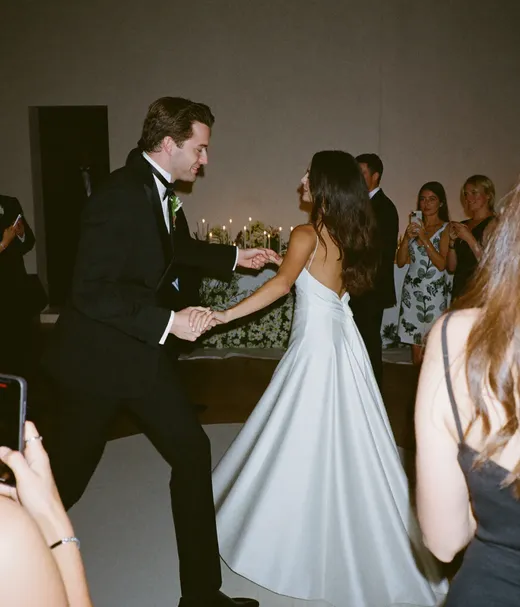

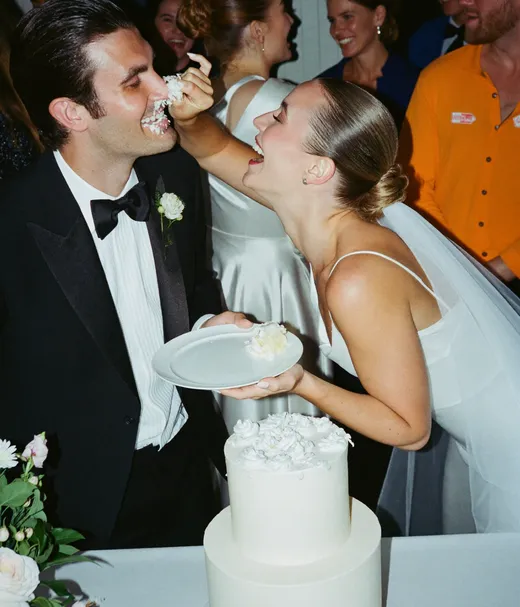
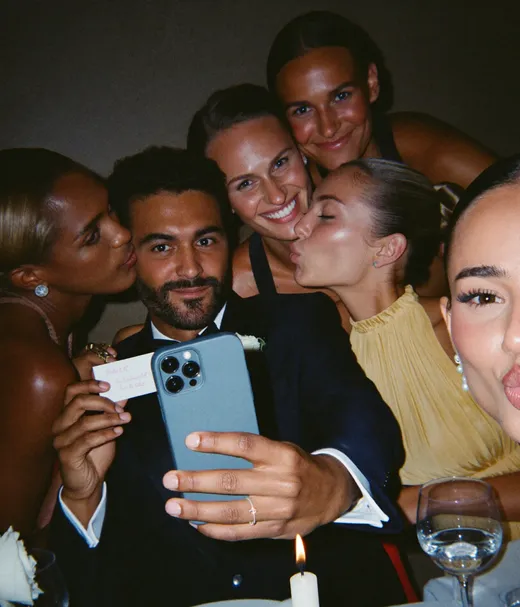






From the dance floor
From Aunt Rosa
Every guest can give you something: their photos.
Create a free album, print one QR code, and guests upload the photos they took from the phone browser, with no app and no account. The first 20 uploads are free with no card, and paid plans are one-time payments from $49.
From Grandma
Scan to join the album
No app, no account
UPLOADING
Saving your moment
THE ALBUM
Emma & Leo
Guest photos
647 photos · 95 guests
SCAN TO TRY
pix.wedding/
your-wedding
More on wedding gifts and guest etiquette
This page covers whether to give. These cover how much, what to write and what comes next.
Wedding gift etiquette in five lines
If you remember nothing else about skipping a wedding gift:
- Every invited guest sends at least a card; silence is the only truly rude option
- A heartfelt card is the accepted substitute when a gift is out of reach
- Declining the invitation does not cancel the gift by Emily Post's standard, but it can be smaller
- Wedding party members and destination guests can lower the budget without apology
- Send it within three months; a late gift still beats no gift
Is it rude to just give a card at a wedding?
No, when the card is sincere and money is tight. The Emily Post Institute names a card with thoughtful words of congratulations as the right move when you cannot afford a gift. Write a specific memory and a wish for the marriage rather than a generic line.
If you can afford a gift and choose a card alone, most couples will not say anything, but traditional etiquette expects something more. A small registry item or a share of a group gift closes that gap for very little.
Explore more free wedding tools
Everything you need to make your wedding day stress-free and unforgettable.
AI Vow Generator
Write "banger" vows in seconds.
AI Speech Pro
Banger toasts for Best Man & more.
Hashtag Generator
Create unique wedding hashtags.
Thank You Notes
Generate personalized thank you notes.
Father of the Bride Toast
Full example toasts, structure, and delivery tips.
Invitation Wording
Perfect wording for your invitations.
Couple Name Combiner
Blend your names into the perfect couple name.
Photo Sharing QR
The best way to collect guest photos.
Questions about skipping a wedding gift
Short answers with sources, for guests and for couples.
Skipping the gift and the card is rude by traditional etiquette. The Emily Post Institute says a wedding gift is still considered obligatory, but if you cannot afford one, a card with thoughtful words of congratulations is the right substitute. The Knot says you are technically not required to give a gift, but it is proper etiquette to give something.
The Emily Post Institute says yes: a wedding gift is considered obligatory even if you do not attend, though it can be smaller. The Knot is softer: it encourages a gift but says the decision is up to you, and that for casual acquaintances or tight finances a card with warm regrets is fine.
Send a handwritten card with real congratulations and no apology about money. You can also join a group gift, make something, or share the photos you took if the couple has a guest album. Emily Post suggests spending whatever is in your budget, whether that is $25, $100 or $250.
Aim for within three months of the wedding. Lizzie Post gives that window in her AARP column and The Knot recommends it too. The Knot notes the traditional rule allowed up to a year, and a late gift with a short note is better than none.
Yes, if you are invited to both. The Knot advises planning a gift for each event, and Lizzie Post told The Knot that a shower is the one event where a gift is required because the whole event is about gifts. The wedding gift can be smaller if you spent on the shower.
No. The Knot says it is perfectly fine to lower your budget if you are in the wedding party, and its Guest Study found guests who fly to a wedding spend $1,680 on average. Give what fits the budget that is left and always include a card.