
Mother of the Groom Duties: The Complete Checklist
From the engagement dinner to the last dance, here is everything you need to know about your role as the mother of the groom, including how to host a rehearsal dinner that sets the right tone.
Use the Free Wedding ChecklistThe MOG Role at a Glance
Host the Rehearsal Dinner
By tradition, the groom's family plans and pays for the rehearsal dinner. This is the MOG's signature event.
Welcome the New Family
Your most important duty is making the bride and her family feel genuinely welcomed into your family.
Bridge Two Families
Reach out to the mother of the bride early. Coordinate attire and act as partners throughout the planning.
Support Without Steering
Offer help, compile your guest list, and be present. Avoid making decisions that belong to the couple.
Show Up on the Day
Be escorted down the aisle, appear in family portraits, dance with your son, and be a gracious host for your guests.
Look the Part
Shop for your dress after the MOB reveals her color. Coordinate, do not match, and dress to the wedding's formality level.
Mother of the Groom Timeline
A phase-by-phase breakdown of MOG responsibilities from the moment the engagement is announced through the wedding day.
Engagement Period
12+ months out- Host a welcome dinner to introduce both families
- Reach out personally to the bride and her parents
- Offer support to your son without taking over
- Begin discussing the rehearsal dinner vision and budget
- Connect with the mother of the bride early and warmly
Planning Phase
6-12 months out- Plan and book the rehearsal dinner venue
- Start dress shopping (MOG picks after MOB, ideally)
- Confirm your financial contributions with your son
- Compile your side of the guest list for the couple
- Coordinate attire color with the mother of the bride
Final Months
1-6 months out- Finalize rehearsal dinner details: menu, toasts, decor
- Write and practice your rehearsal dinner speech or toast
- Confirm alterations and accessories for your dress
- Send rehearsal dinner invitations (6-8 weeks before)
- Coordinate any family travel and accommodations
Wedding Week
Final 7 days- Host or attend the rehearsal and rehearsal dinner
- Give your toast with warmth, humor, and brevity
- Help with any last-minute family coordination
- Be emotionally available for your son
- Confirm your own day-of timeline and transportation
Wedding Day
The big day- Get ready with family or on your own as planned
- Be escorted down the aisle just before the ceremony
- Stand or sit in the front row on the groom's side
- Participate fully in family portraits
- Greet guests warmly and act as a gracious host
- Dance with your son at the reception
Planning the Rehearsal Dinner
The rehearsal dinner is the mother of the groom's signature event. Here is how to plan one that feels personal, welcoming, and well-organized.
Choose the Right Venue
Pick somewhere that fits the wedding's tone. A casual backyard dinner works just as well as a private restaurant room. Book it as soon as you have the wedding date.
Plan a Meaningful Menu
Consider the couple's food preferences and any dietary needs among guests. A plated dinner, family-style sharing, or buffet all work depending on your headcount.
Set the Guest List
Traditionally: immediate family from both sides, the wedding party and their partners, officiant, and out-of-town guests. Confirm with the couple before finalizing.
Plan Toasts Carefully
As the MOG and host, your toast sets the tone. Welcome the bride's family, share a warm memory, celebrate the couple. Keep it under three minutes and end with a raise of the glass.
Send Invitations Early
Rehearsal dinner invitations should go out 6-8 weeks before the wedding, separate from the main wedding invitations.
Add a Personal Touch
A slideshow of the groom growing up, a signature cocktail named after the couple, or handwritten place cards make the evening feel special and personal.
How to Give a Great MOG Toast
Your rehearsal dinner toast is probably the only formal speech you will give at this wedding. Make it count without making it long. A strong MOG toast runs two to three minutes and follows a simple structure.
- 1Open with welcome: Thank everyone for coming. Acknowledge the out-of-town guests specifically. Say something warm about the bride's family joining yours.
- 2Share a memory of your son: One brief, specific story about him. Not a list of accomplishments. One moment that shows who he is: how he treats people, what he finds funny, what he works hard at.
- 3Welcome the bride directly: Speak to her. Tell her, in front of everyone, that you are glad she is joining the family. Make it specific to her, not generic. Guests will remember this moment.
- 4Close with the couple: End by toasting them together. Wish them something real and specific, not just happiness. Something like the patience to navigate hard times, or the ability to keep making each other laugh.
MOG Dress Shopping Guide
Shopping for your dress as the mother of the groom involves more coordination than you might expect. Here is how to navigate it.
Who Shops First?
By tradition, the mother of the bride shops first. As the MOG, reach out to her and ask about her dress color, style, and length. You want to complement, not clash or match exactly.
Color Coordination
Once you know the MOB's color, choose something in a complementary shade. If she is wearing dusty blue, you might choose champagne, blush, or silver. Avoid white, ivory, and bright red.
Match the Formality
Your dress should align with the wedding's dress code. A floor-length gown for a black-tie affair, a midi dress for a semi-formal celebration, or elegant separates for a garden party.
Shop with Time to Spare
Give yourself 4-6 months for ordering and alterations. Bridal boutiques carry mother-of-the-groom styles alongside bridal gowns, or shop department stores and specialty retailers.
Ask the Couple's Opinion
A quick check-in keeps everyone comfortable. You do not need approval, but asking shows respect and prevents surprises on the wedding day.
Wedding Day Duties: Hour by Hour
The wedding day itself requires very little from the MOG in terms of tasks. Your presence, warmth, and willingness to follow the schedule are what matter most.
Get ready (at the venue or at home as planned) and be dressed and ready at least 90 minutes before the ceremony.
Arrive at the venue early. Greet close family. Confirm with the wedding coordinator that you know when you will be escorted in.
You are typically escorted down the aisle by a groomsman immediately before the groom's grandparents and just before the wedding party.
Sit in the front row on the groom's side. Rise when asked, follow the officiant's direction, and be present emotionally for your son.
Stay close after the ceremony for family photo groupings. These typically happen right after the recessional and before cocktail hour.
Mingle with guests, especially those from the bride's side who may not know many people. Be a warm ambassador for the groom's family.
Attend the parent dances. You and your son will traditionally share a mother-son dance. Be present for toasts.
Stay engaged. Thank vendors, chat with guests, and keep the energy positive. Your son will notice and remember your presence.
Building Your Relationship with Your Daughter-in-Law
Reach Out One-on-One
Early in the engagement, invite her for lunch or coffee, just the two of you. No agenda. Ask her about her work, her family, her vision for the wedding. Listen more than you talk.
Follow Her Lead
Some brides want a close relationship with their mother-in-law; others prefer more distance. Read her signals and respect them. Pushing too hard early often creates the distance you are trying to avoid.
Show Genuine Interest
Remember what she tells you. Follow up on things she mentioned. Send a note when she achieves something. Small, consistent gestures matter far more than grand overtures.
Respect Her Vision
The wedding reflects her taste and values as much as your son's. When you support her choices, even the ones that differ from what you would have chosen, you send a powerful message about the kind of mother-in-law you will be.
The MOG and MOB: Partnership, Not Competition
The relationship between the two mothers is one of the most visible dynamics at any wedding. When it works well, the day feels cohesive and warm. Here is how to make it work.
Common MOG Mistakes and How to Avoid Them
Most mother-of-the-groom mistakes fall into two categories: overstepping or disappearing. Here is how to find the middle ground.
Mistake: Taking over the rehearsal dinner
Better approach: Run your vision by the couple first. It is their wedding, and the rehearsal dinner should feel like an extension of their celebration, not a separate event you own.
Mistake: Offering opinions on wedding decisions that are not yours
Better approach: Unless the couple asks, stay out of the venue, flowers, and guest list decisions. Your role is to support, not direct.
Mistake: Treating the day like a competition with the MOB
Better approach: The MOB and MOG are partners in celebrating this couple. Cooperation and warmth beat rivalry every time.
Mistake: Being too hands-off out of fear of overstepping
Better approach: Some MOGs overcorrect and disappear entirely. Ask your son and future daughter-in-law directly: "How would you like me involved?" Then show up.
Mistake: Giving a rehearsal dinner toast that centers yourself
Better approach: Stories about your son are wonderful, but end with the couple. Acknowledge the bride warmly and make her family feel genuinely welcomed.
Mistake: Forgetting to build a relationship with your daughter-in-law
Better approach: Reach out one-on-one before the wedding. A lunch, a phone call, or even a handwritten note can set the foundation for a warm long-term relationship.
Your Role After the Wedding
Your duties as the mother of the groom do not end when the last guest leaves the reception. The way you show up in the months and years after the wedding shapes the relationship you will have with your son and daughter-in-law for the rest of your lives.
Write a thank-you note to the bride
A handwritten note thanking her for choosing your son and welcoming her into your family is something she may keep for years.
Respect their new household
Call before visiting. Ask how they like to communicate. Let them establish their own routines before expecting them to conform to yours.
Navigate holidays thoughtfully
The first round of post-wedding holidays is often the hardest. Be flexible, be generous with your preferences, and prioritize what the couple needs.
Stay connected with your son
Your relationship with him is not over. It is changing. Regular one-on-one time, whether in person or a weekly call, keeps the bond strong.
Related Guides and Tools

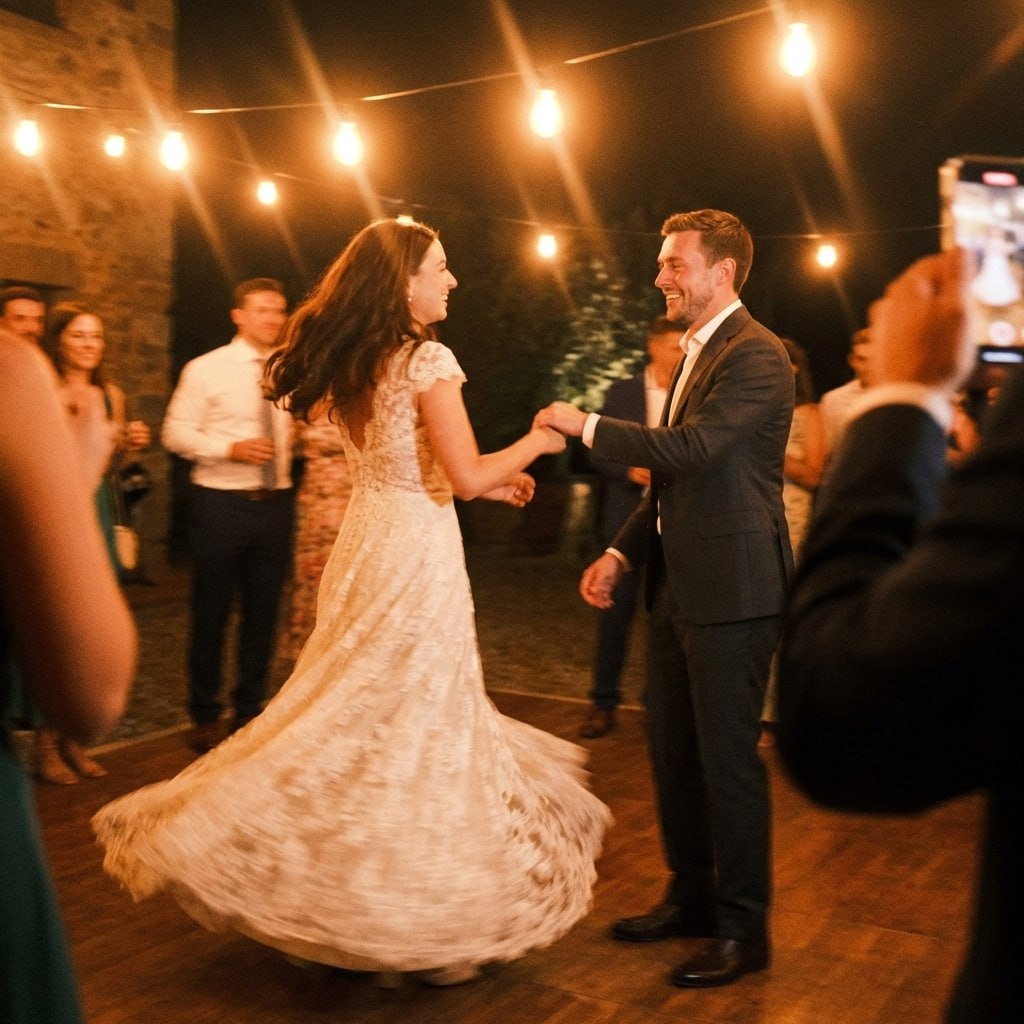
First dance
You guys!!
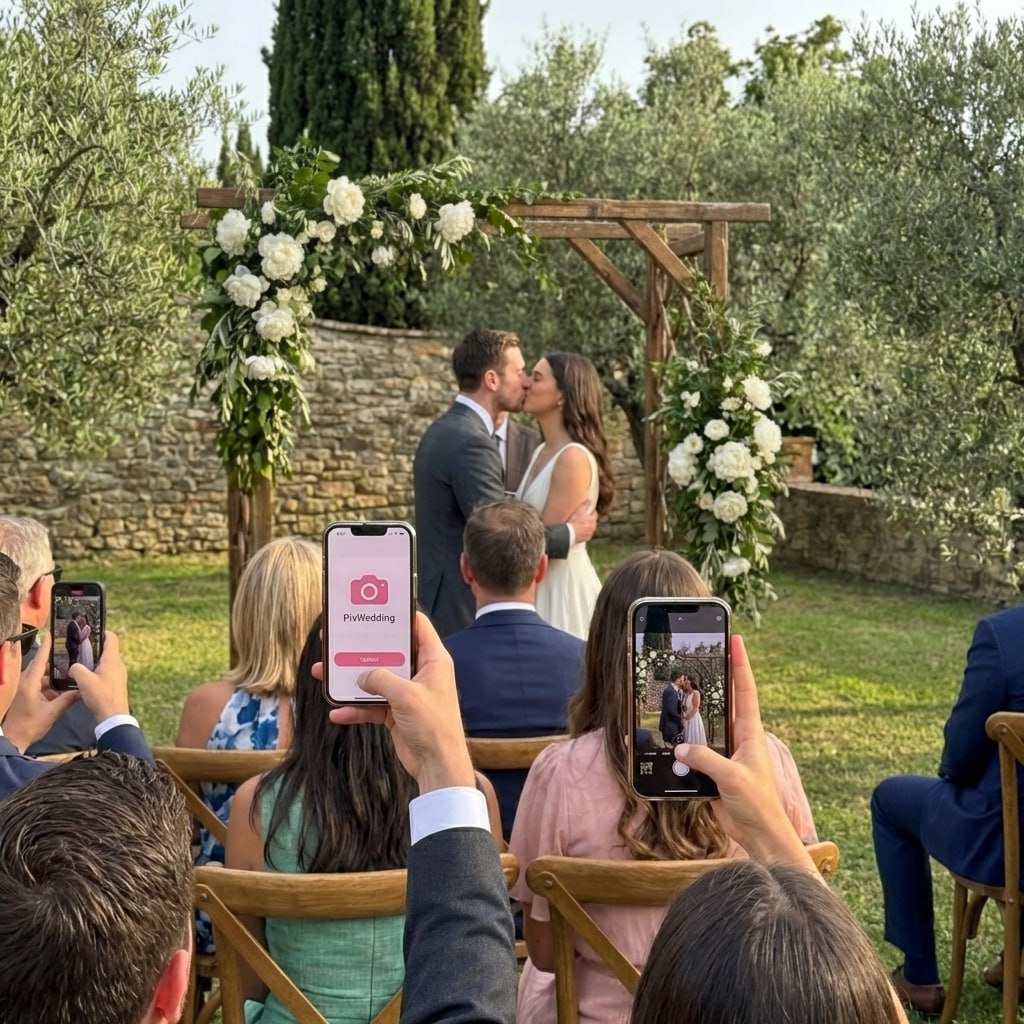
Make it easy for the groom's family to keep every photo.
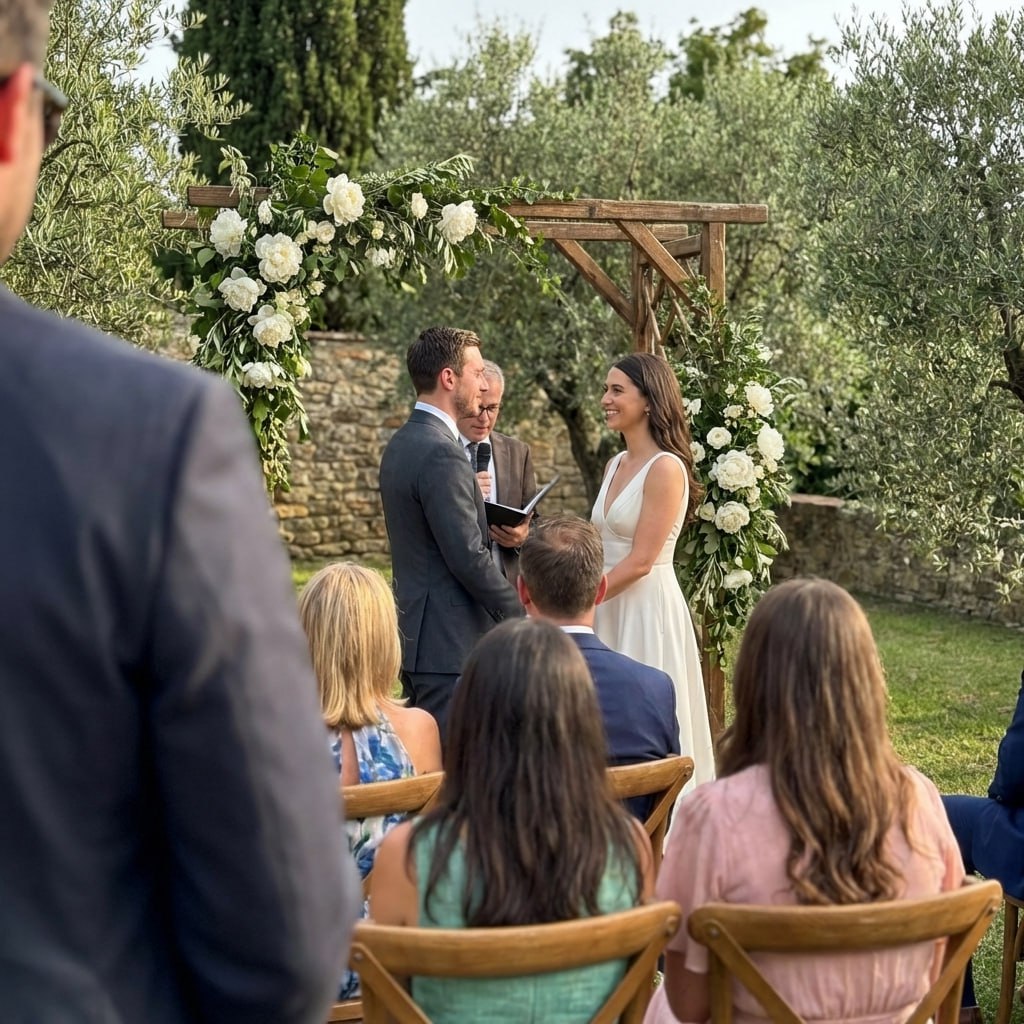
Guests on both sides of the aisle are snapping pictures all day. Pix Wedding pulls every shot into one shared album so nothing gets buried in a private camera roll.
From Mom
Scan to join the album
No app, no account
UPLOADING
Saving your moment
THE ALBUM
Emma & Jack
June 21, 2026
647 photos · 95 guests



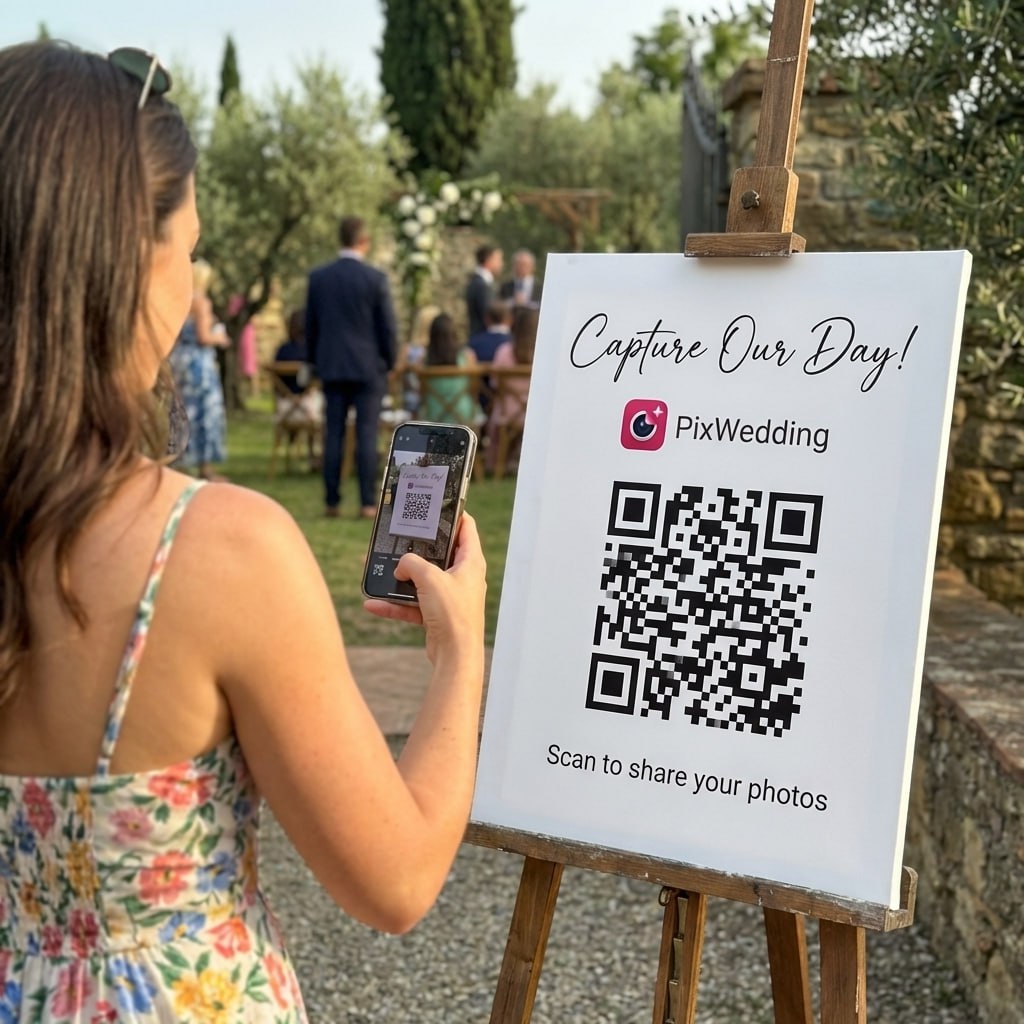


SCAN TO TRY
pix.wedding/
your-wedding
The MOG's Unique Position in the Wedding
The mother of the groom holds a distinct place in the wedding story. Unlike the mother of the bride, who often co-pilots the planning process closely with her daughter, the MOG's role is defined more by welcome and grace than by logistics. You are bringing a new person into your family and celebrating the life your son has built. That framing changes everything about how you approach your duties.
Your most important job is not a task on a checklist. It is showing your future daughter-in-law, through your actions across the entire engagement period, that she is genuinely wanted in your family. That foundation supports everything else you will do in the lead-up to the wedding.
You also serve as a bridge between two families who may not know each other well. Reaching out warmly to the bride's parents early, hosting a gathering that brings both sides together, and treating the rehearsal dinner as a genuine welcome event rather than a formality sets the right tone for the years ahead.
- •You are a welcoming presence, not a wedding director
- •Your primary audience is your son and his future spouse
- •Your rehearsal dinner is your signature contribution
- •Partnership with the MOB matters more than rank
- •Emotional availability outweighs logistical involvement
Navigating Your Son's New Priorities
One of the quiet challenges of being the mother of the groom is adjusting to your son's shifting loyalties. As he should, your son's primary partnership is now with his partner. That shift can feel abrupt during the wedding planning process, especially if you have been closely involved in his life.
The best MOGs lean into this shift rather than resist it. They trust the relationship they have built with their son, knowing it does not disappear when he marries. They approach his future spouse as someone who adds to the family rather than someone who replaces them. And they give the couple space to make their own decisions, even when those decisions differ from what they might have chosen.
Practically, this means checking in without hovering, offering help without attaching expectations, and celebrating wins rather than cataloguing slights. The couples who have the warmest relationships with their in-laws are usually the ones where the parents on both sides mastered this balance.
Blended Family Considerations for the MOG
If either family is blended, the MOG's role may involve some additional coordination. Who walks down the aisle? How are step-parents acknowledged in family portraits? Are there sensitivities around introductions or seating arrangements?
The key is to discuss these questions with your son well before the wedding day and let the couple decide how they want to handle them. Your job is to execute their preferences gracefully, not to advocate for any particular arrangement. If there are step-parents involved on the groom's side, coordinate early on attire, seating, and processional order.
The same principle applies to divorced parents who may have tension between them. The wedding day is not the place to process old dynamics. Agree in advance on how you will interact, where you will sit, and how you will appear in photos. A brief conversation before the big day prevents a hundred awkward moments during it.
- •Confirm processional order with the couple if blended family is involved
- •Coordinate attire with any step-parents on the groom's side
- •Agree on photo groupings ahead of time
- •Keep old tensions completely off the wedding day
- •Let the couple drive all family structure decisions
Explore more free wedding tools
Everything you need to make your wedding day stress-free and unforgettable.
QR Sticker Designer
Design custom print-ready stickers.
Hashtag Generator
Create unique wedding hashtags.
How to Collect Guest Photos
5 methods ranked by participation rate and ease.
Share Wedding Photos with Guests
Compare every sharing platform by ease and participation.
Best Way to Get Guest Photos
The single method with the highest participation rate.
How to Make a Shared Wedding Album
Step-by-step setup for every platform.
Alternative to Disposable Cameras
Better, cheaper options than disposable cameras.
Alternative to Wedding Photo Booth
5 cheaper alternatives to a $1,000+ photo booth rental.
Mother of the Groom FAQ
Straight answers to the questions people ask most about this topic.
By traditional etiquette, the groom's family hosts and pays for the rehearsal dinner. This is the mother of the groom's signature contribution to the wedding celebration. That said, modern couples often split costs or fund it themselves, so confirm with your son before making plans.
The MOG's involvement depends entirely on what the couple wants. The standard role is to support, offer help when asked, manage the rehearsal dinner, compile the guest list for your side of the family, and handle your own attire. Avoid inserting yourself into vendor decisions, the ceremony script, or the reception layout unless invited to.
The MOB typically has more planning involvement since the bride traditionally drives most wedding decisions. The MOG has her own key responsibilities: hosting the rehearsal dinner, welcoming the bride's family, and acting as a gracious co-host. Both roles are meaningful; they are just different in scope.
Start shopping 4-6 months before the wedding to allow time for ordering and alterations. First, check with the mother of the bride about her color and style so you can coordinate. MOG dresses can be found at bridal boutiques, department stores, and specialty retailers.
The MOG typically gives a toast at the rehearsal dinner, which she is hosting. At the wedding reception, formal speeches are usually the domain of the best man, maid of honor, and father of the bride. If the couple invites additional toasts, the MOG may speak. Keep any toast warm, brief, and focused on welcoming the couple and the new family connection.
Start early and be genuine. Reach out personally during the engagement period with a warm message or invite her to lunch. During planning, ask how you can help rather than offering unsolicited opinions. Follow her lead on how involved she wants you to be, respect her vision for the wedding, and show consistent warmth. Small gestures, like a handwritten note or remembering details she has shared, go a long way.