
Mother of the Bride and Groom Duties: The Complete 2026 Guide
Whether you are the mother of the bride or the mother of the groom, this guide covers every responsibility, from dress etiquette and budget conversations to day-of duties and what not to do.
MOB vs MOG: The Core Difference
Mother of the Bride
Traditionally the most involved mother in planning logistics. She co-hosts the bridal shower, helps manage the bride-side guest list, shops her dress first, and often serves as the couple\'s primary point of contact with vendors.
- Takes a more active planning role
- Co-hosts or organizes the bridal shower
- Shops her dress before the MOG
- Manages family RSVPs and logistics
- Walks down the aisle just before the bride
Mother of the Groom
Traditionally takes a supporting role in broader planning but leads the rehearsal dinner. She shops her dress after the MOB, manages the groom-side guest list, and serves as the emotional anchor for her son throughout the process.
- Leads or co-hosts the rehearsal dinner
- Shops dress after MOB confirms her choice
- Manages groom-side guest list and RSVPs
- Emotional support for the groom
- Escorted down the aisle before the MOB
Mother of the Bride Duties: Full Timeline
From the engagement announcement through the last dance, here is what the mother of the bride is responsible for at each stage of the journey.
Engagement (12+ months out)
- Celebrate and share the news with family
- Discuss budget contributions with the couple honestly and early
- Help compile the initial guest list from the bride's family
- Connect with the mother of the groom to introduce yourselves
Early Planning (9-12 months out)
- Shop for your dress (you go first as MOB)
- Accompany the bride to bridal gown appointments if invited
- Help research and visit potential venues if asked
- Assist with save-the-date mailing logistics
Mid Planning (4-8 months out)
- Coordinate RSVPs from your side of the family
- Organize or co-host the bridal shower
- Help with seating chart logistics for your family members
- Confirm hotel room blocks for out-of-town guests
Final Weeks (1-4 weeks out)
- Confirm final headcount from your guest list
- Attend rehearsal and rehearsal dinner
- Prepare any personal remarks or toast you plan to give
- Arrange transportation for elderly or mobility-limited relatives
Wedding Day
- Be present during getting-ready photos if invited
- Act as the point of contact for family questions so the couple is not interrupted
- Walk down the aisle and be seated in the front row
- Host and welcome guests during cocktail hour
- Enjoy the day and let coordinators handle logistics
Mother of the Groom Duties: Full Timeline
The mother of the groom plays a distinct and meaningful role throughout the planning process. Here is what to expect at each stage.
Engagement (12+ months out)
- Celebrate and congratulate the couple warmly
- Discuss financial contributions with your son and partner early
- Start compiling your guest list for the groom's side
- Reach out warmly to the mother of the bride
Early Planning (9-12 months out)
- Wait for MOB to share dress details, then shop for your own
- Offer to help plan and host the rehearsal dinner
- Ask the couple how involved they want you in planning decisions
- Connect with groomsmen families as needed
Mid Planning (4-8 months out)
- Coordinate RSVPs and travel for your side of the family
- Finalize rehearsal dinner venue, menu, and guest list
- Confirm your dress fits with any seamstress adjustments
- Help the groom shop for wedding attire if he wants company
Final Weeks (1-4 weeks out)
- Confirm all rehearsal dinner details
- Prepare any remarks you plan to give at the rehearsal dinner
- Arrange transportation for your guests as needed
- Be a calm, reassuring presence for your son in final days
Wedding Day
- Arrive early and be available for photos
- Be escorted down the aisle just before the ceremony begins
- Greet and host guests from the groom's side
- Support and celebrate at the reception without directing
- Let the couple lead every moment of their day
Mother of the Groom Dress Etiquette (and MOB Rules)
Dress decisions are one of the most common sources of confusion for both mothers. These six rules make it simple.
MOB Shops First
The mother of the bride selects her dress before the mother of the groom. She should share color, length, and style details so the MOG can coordinate, not clash.
Avoid White and Ivory
Both mothers must avoid white, ivory, and champagne tones at all costs. These shades are reserved entirely for the bride.
Coordinate, Do Not Match
The two mothers should be in complementary colors rather than identical ones. Navy and blush, sage and burgundy, or dusty rose and slate all work well together.
Match the Formality Level
A garden party wedding calls for different attire than a black-tie ballroom event. Both mothers should dress to the formality level of the ceremony and reception.
Respect the Color Palette
Ask the couple what colors they are using in the bridal party. Avoid the exact bridesmaids shade so you do not blend into the wedding party visually.
Comfort Matters for a Long Day
You will be on your feet for 8 or more hours. Prioritize a dress you can stand, walk, dance, and hug in. Shoes should be comfortable enough for the full reception.
Mother of the Groom Dress Color Guide
Once the MOB has shared her color and style, the MOG can confidently choose from these complementary palettes:
Always confirm your final choice with the MOB before purchasing. A quick photo exchange is all it takes to avoid clashes.
Financial Responsibilities: Who Pays for What
Traditional wedding cost divisions are a useful starting point, but modern couples often rewrite them entirely. Here is what etiquette says and what actually happens now.
Traditional MOB Costs
- Bridal shower (co-hosted with bridesmaids)
- Boutonnieres for the groom's family
- Corsages for mothers and grandmothers
- A portion of the wedding reception
- Wedding ceremony venue and officiant
Traditional MOG Costs
- Rehearsal dinner (host or co-host)
- Groom's wedding band (historically)
- Groomsmen gifts or contribution
- Transportation for groom's family
- Morning-of gift to the groom (optional)
Modern reality: Most couples today share costs based on what each family can reasonably contribute rather than traditional assignments. The most important thing is to have a clear, early conversation about what you can and want to contribute, and then let the couple decide how to allocate it. Use a wedding budget allocator together to map out who covers what before any commitments are made.
Giving a Speech or Toast as a Mother of the Bride or Groom
A mother\'s speech is one of the most emotional moments of the reception. These tips help you deliver it confidently without overshadowing the couple.
Keep it to 2-3 minutes maximum (about 300-400 words spoken aloud)
Open with one specific memory or moment rather than a general statement
Acknowledge and welcome the new partner and their family warmly
Close with a forward-looking wish for the couple's future, not just a toast
Avoid inside jokes that exclude most of the room
Practice out loud at least five times so you are not reading from paper
Ask the venue coordinator where and when to stand so you are not surprised
It is perfectly fine to have notes; holding a card is not embarrassing
Wedding Day Checklist for Both Mothers
The wedding day moves fast. Having a personal checklist means you can show up fully present rather than scrambling.
Morning
Ceremony and Reception
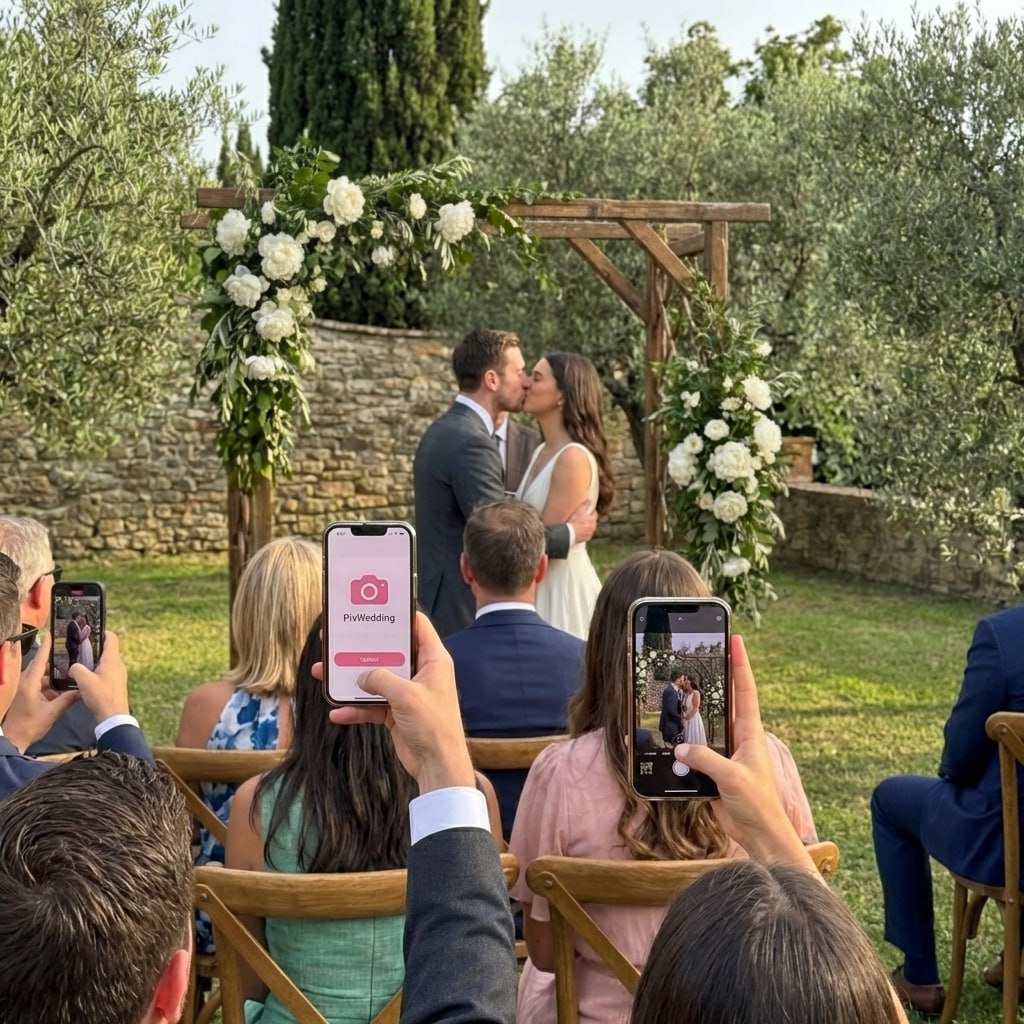
One of the best things you can do on the wedding day is encourage all your guests to contribute their photos to a shared guest album. Services like Pix Wedding let every guest upload photos in real time so the couple gets a full picture of the day, not just the photographer\'s view. Learn how to collect photos from wedding guests.
Common Pitfalls: What Not to Do
Most wedding day regrets come from well-intentioned actions that crossed a line. These are the most common mistakes mothers make, and how to avoid them.
Making the Day About Your Feelings
It is natural to have emotions, but crying in a way that shifts focus to you, or expressing disappointment about decisions aloud, takes energy from the couple. Process big feelings with a friend or therapist before the wedding day.
Inviting Extra Guests Without Asking
Guest list decisions belong to the couple. Adding names without permission, even family members you feel should be there, creates budget stress and venue problems.
Overriding the Wedding Planner or Coordinator
On the day of, professional coordinators are running the show. Redirecting vendors, changing timelines, or making announcements without checking in creates chaos.
Competing With the Other Mother
Subtle competition over who contributed more, whose family is larger, or whose ideas got used can poison the relationship between families. Be generous and gracious.
Sharing Unsolicited Opinions on Vendor Choices
You may genuinely prefer a different caterer, DJ, or photographer. Unless the couple asks, keep those thoughts to yourself. They have already made their decisions.
Posting on Social Media Before the Couple Does
Many couples want to share their own first photos and announcement. Always ask before posting anything to social media on or after the wedding day.
The Emotional Support Role: What It Actually Looks Like
Beyond logistics, the most lasting gift a mother gives during the wedding process is emotional steadiness. Here is what that looks like in practice.
Listen First
When the couple shares a decision you did not expect, resist the urge to respond immediately. Ask questions and listen before sharing your reaction. Often, couples just want to feel heard, not redirected.
Navigate Family Dynamics
You may be the bridge between relatives who have complicated histories. Taking on that quiet peacekeeping role (without drama) is one of the most valuable things a mother can do in the months before the wedding.
Celebrate the Partner Too
Genuinely welcoming the person your child is marrying, not just tolerating them, sets the tone for the family relationship going forward. Small gestures of warmth toward the new partner matter deeply.
Allow the Couple to Lead
Even when you have more experience or better ideas, the wedding belongs to the couple. Stepping back gracefully from decisions they have already made is a form of love, not defeat.
For broader background on cultural wedding customs referenced throughout this guide (chuppah seating, stefana crowns, Mehndi ceremonies, and similar traditions), general etiquette resources like The Knot's wedding traditions guide and the Emily Post Institute cover general customs, though specific family and regional practices always take precedence.
Helpful Tools and Guides

First dance
You guys!!
Both families, one shared photo album.
Guests on both sides are taking pictures all day. Pix Wedding collects every shot into one album, so neither family misses a moment from the other side of the aisle.
From Mom
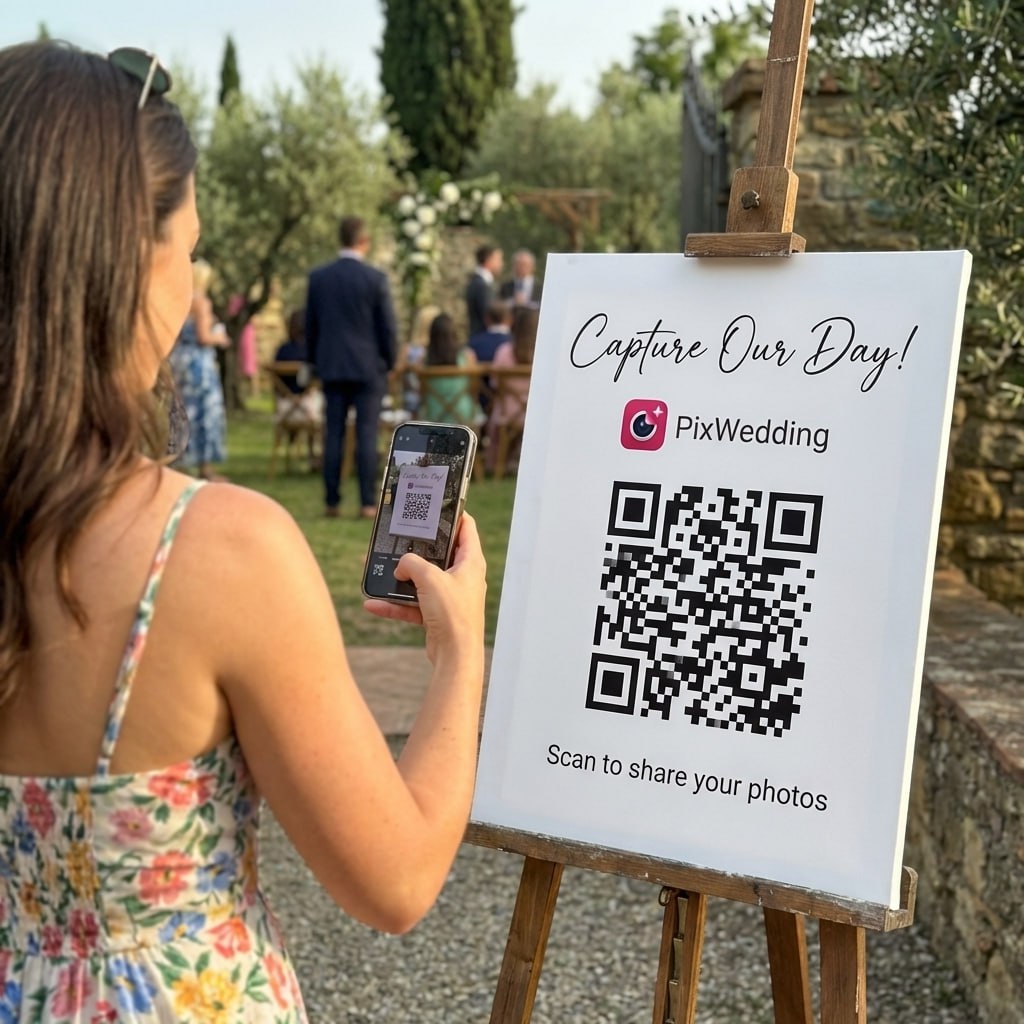
Scan to join the album
No app, no account
UPLOADING
Saving your moment
THE ALBUM
Emma & Jack
June 21, 2026
647 photos · 95 guests




SCAN TO TRY
pix.wedding/
your-wedding
Modern vs. Traditional Mother Roles at Weddings
Traditional wedding etiquette assigned mothers to very specific, often behind-the-scenes roles: the mother of the bride managed the guest list and reception logistics, while the mother of the groom organized the rehearsal dinner and stayed out of most other decisions. These rules made sense in an era when the bride's family paid for nearly everything.
Today, wedding costs and planning responsibilities are shared far more broadly. Couples may be self-funding their wedding entirely, or both sets of parents may contribute equally. This shift means both mothers often have similar levels of involvement rather than a clear hierarchy.
Modern mothers also tend to have careers, strong opinions, and real project management skills. The best approach for 2026 is to have an honest early conversation with the couple about where you can genuinely help and where they prefer to handle things themselves. That clarity prevents tension far better than any rulebook.
- •Ask the couple early: "Where would you most like my help?"
- •Respect decisions even when you would have chosen differently
- •Coordinate with your counterpart (MOB or MOG) to avoid duplicating effort
- •Offer specific help rather than general availability
- •Be flexible: roles evolve as the wedding date approaches
Cultural Variations in Mother of the Bride and Groom Duties
Across cultures, the role of mothers at weddings varies significantly. In South Asian weddings, both mothers often play ceremonial roles in rituals like the Mehndi or Sangeet, with specific attire expectations tied to the family's tradition. In many Hispanic cultures, both families hold equal status in celebrations, and mothers may be publicly honored with corsages, dances, or spoken tributes during the reception.
Jewish weddings traditionally seat both mothers under the chuppah alongside the couple, giving them a highly visible ceremonial role. Greek Orthodox ceremonies may involve both mothers presenting the couple with stefana (wedding crowns). In Nigerian Yoruba weddings, mothers are central to the engagement ceremony and may lead certain blessings.
If your family has specific cultural traditions, document what is expected early so both mothers can prepare. If you are blending two cultural backgrounds, a short conversation about whose traditions will be honored (and how) saves a lot of confusion later.
Gift-Giving Traditions for Mothers of the Bride and Groom
There is no single rule on mother-to-child wedding gifts, but a few traditions are common. Many mothers give a personal, sentimental gift to the bride or groom the morning of the wedding: a piece of heirloom jewelry, a handwritten letter, or a keepsake photo album. These moments are often captured in getting-ready photography and become treasured memories.
Financial gifts are also common. Some parents contribute directly to the honeymoon fund, help pay off vendor balances, or offer a contribution toward the couple's first home. If you are giving money, consider presenting it in a card the night before or at the rehearsal dinner rather than the day of, when the couple is too overwhelmed to fully receive it.
Mothers sometimes give each other small gifts as well, a tradition that acknowledges the new family bond forming between them. A simple handwritten note or a small piece of jewelry can go a long way in building that relationship from the start.
Explore more free wedding tools
Everything you need to make your wedding day stress-free and unforgettable.
QR Sticker Designer
Design custom print-ready stickers.
Hashtag Generator
Create unique wedding hashtags.
How to Collect Guest Photos
5 methods ranked by participation rate and ease.
Share Wedding Photos with Guests
Compare every sharing platform by ease and participation.
Best Way to Get Guest Photos
The single method with the highest participation rate.
How to Make a Shared Wedding Album
Step-by-step setup for every platform.
Alternative to Disposable Cameras
Better, cheaper options than disposable cameras.
Alternative to Wedding Photo Booth
5 cheaper alternatives to a $1,000+ photo booth rental.
Mother of the Bride and Groom: Common Questions
Straight answers to the questions people ask most about this topic.
Emotional support is the single most important role. Beyond logistics, the mother of the bride is there to keep the couple calm, step in during unexpected moments, and make sure the day feels joyful. Everything else, including planning, budgeting, and coordination, is secondary to being a steady, supportive presence.
The mother of the bride traditionally chooses her dress first since she is on the bride's side of the family. Once her style, color, and length are set, she shares that information with the mother of the groom, who then selects something complementary. The two dresses should not clash in color or be identical.
In many traditional weddings, yes. The mother of the bride historically takes a larger planning role, especially if the bride's family is hosting. However, in modern weddings where both families share costs and planning, both mothers carry roughly equal involvement. The MOG often focuses on the rehearsal dinner, the groom's side guest list, and being a calm support for her son.
The mother of the groom should coordinate with (but not match) the mother of the bride. Avoid white, ivory, and champagne, which are reserved for the bride. Also steer clear of the exact bridesmaids color to avoid blending in. Classic choices include dusty rose, navy, sage, champagne-gold, or slate blue, all elegant and clearly "mother" rather than bridal party.
Neither mother is traditionally required to speak, but it is increasingly common and warmly received when they do. If you want to give a toast, coordinate with the couple first so it fits the timeline. Keep it to 2-3 minutes, lead with a specific memory, thank both families, and close with a heartfelt wish for the couple.
The key is to ask before acting. Before volunteering opinions on vendors, decor, or decisions, ask whether the couple wants input. Offer help in areas they have specifically requested (like coordinating family RSVPs or managing a vendor payment) and step back from areas they have not invited you into. Following the couple's lead keeps relationships healthy throughout the planning process.