
Father of the Bride Speech: Everything You Need to Know
From emotional preparation to microphone technique, this is the only guide you need to write and deliver a speech your daughter will remember for the rest of her life.
Generate Your Speech with AIEmotional Preparation: The Step Most Dads Skip
The biggest mistake fathers make is sitting down to write without first processing their own feelings. You cannot write a speech that moves others until you have let yourself feel the full weight of the moment privately.
Set aside 30 minutes alone. Look through old photos. Write down every memory that surfaces, even ones you think are too small. The specific and the small are what make speeches great. "She used to line up her stuffed animals and give them names from the periodic table" is a thousand times more powerful than "she was always smart."
Write raw notes before you write a draft
Call a sibling or old friend to surface forgotten memories
Read your first draft aloud alone before sharing it
Practice crying early so it does not catch you off guard on the day
Accept that emotion is not weakness at a wedding
5 Speech Structures That Work
Choose the structure that fits your natural communication style. A reserved dad should not try to do stand-up comedy. A naturally funny dad should not force pure sentimentality.
The Classic Arc
Open with gratitude, share two childhood memories, welcome the groom, offer life advice, and close with a toast. Works for any personality.
The Letter Format
Address the speech directly to your daughter as a letter you are reading aloud. Deeply intimate and naturally emotional.
The Story Spine
Build the speech around one defining story from her childhood that connects metaphorically to the person she has become.
The Comedy-First
Open with 60 to 90 seconds of light humor (usually at your own expense), then pivot to sincere emotion. Ideal for dads who are naturally funny.
The Milestone Map
Trace key milestones in your daughter's life (first steps, first heartbreak, first job) and show how each shaped who she is today.
What Daughters Actually Want to Hear
Based on countless post-wedding conversations, brides consistently name these elements as the most meaningful parts of their father's speech.
A specific memory, not a generic "she was always wonderful" statement
Acknowledgment of her strength and the woman she has become
Genuine approval of the person she has chosen
Humor that does not humiliate or reveal secrets she would regret
A moment of just the two of you, even if thousands are watching
To hear that you are proud, in plain words with no qualifications
A smooth, confident delivery that does not make her worry for you
Balancing Humor and Emotion Without Losing Either
The classic wedding speech arc follows a simple emotional rhythm: warm and light at the opening, sincere and specific in the middle, and uplifting at the close. Think of it as a curve, not a toggle switch between funny and sad.
Warm and Grounding
A light self-aware line settles nerves for you and the audience. Something like "I have been practicing this speech since she was four. She has improved significantly since then."
Sincere and Specific
This is where you place your most powerful memory and your most direct words of love. Do not rush it. Pauses here are gold.
Warm and Genuine
One specific thing you have noticed about how he treats her. Not "he is a great guy" but "the day I saw him sit with her for three hours when she was upset, I knew."
Celebratory
End with a forward-looking wish, raise the glass, and invite everyone to join you. Keep it short and soaring.
How to Mention the Groom Gracefully
Many fathers struggle with the groom section. The most common mistake is either ignoring him entirely or pivoting the entire speech to focus on him when the spotlight should stay primarily on your daughter.
Be Specific
Mention one real observation. "The first time I saw how he looked at her when she did not know he was watching, I understood why she chose him."
Use Inclusive Language
Say "welcome to our family" rather than "he is taking her from us." Framing matters enormously here.
Add Light Humor Carefully
A gentle joke about warning him about her stubbornness works. Jokes about his career prospects or past relationships do not.
Give Him One Clear Responsibility
"I am trusting you with the most precious thing in my world. I know you already understand that." Simple, direct, powerful.
Cultural Variations in Father of the Bride Speeches
Speech norms vary widely across cultures. Understanding your audience and their expectations will help you calibrate tone, length, and content.
Western / American
Humor is welcome, 3 to 5 minutes is standard. Toast format expected at end.
Jewish Traditions
Often includes references to heritage and blessings. The "Shehecheyanu" moment is common. Can run longer.
Indian / South Asian
Speeches tend to be more formal and family-focused. Welcoming the groom's family is expected. Avoid humor that could seem disrespectful.
Irish / British
Self-deprecating humor is culturally valued. Rhyming toasts and pub-style quips are common and appreciated.
Latino / Hispanic
Family lineage and gratitude to God are often woven in. Emotional expression is celebrated, not tempered.
African American
Speeches often include church references, community celebration, and call-and-response elements with the audience.
Speech Length Norms
Rehearsal Dinner Toast
1 to 2 minutes
150 to 280 words
Keep it brief and warm. This is a preview, not the main event.
Wedding Reception Speech
3 to 5 minutes
400 to 700 words
This is the ideal window. Long enough to say something real, short enough to hold attention.
Extended Family Ceremony
Up to 7 minutes
Up to 950 words
Acceptable only in cultures where long speeches are the norm. Still aim for 5 minutes if possible.
More Wedding Speech Resources
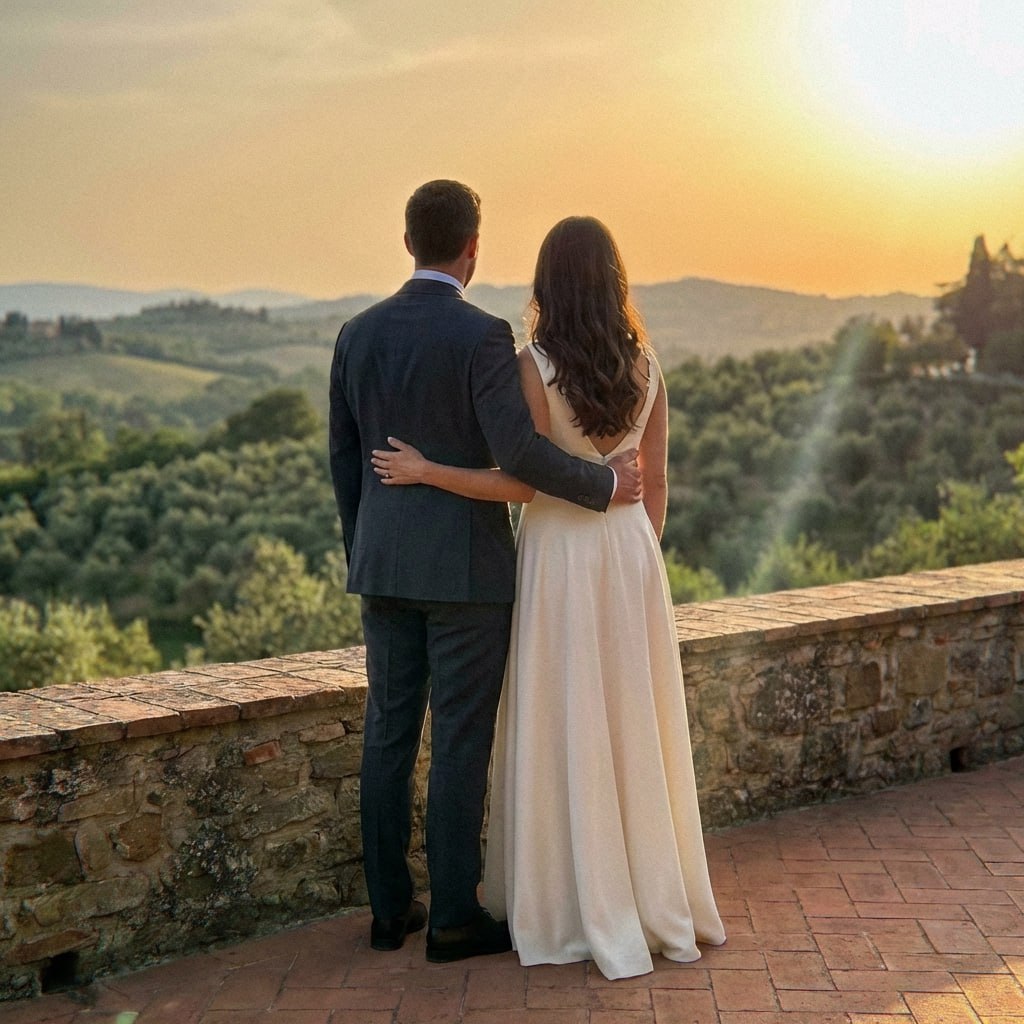
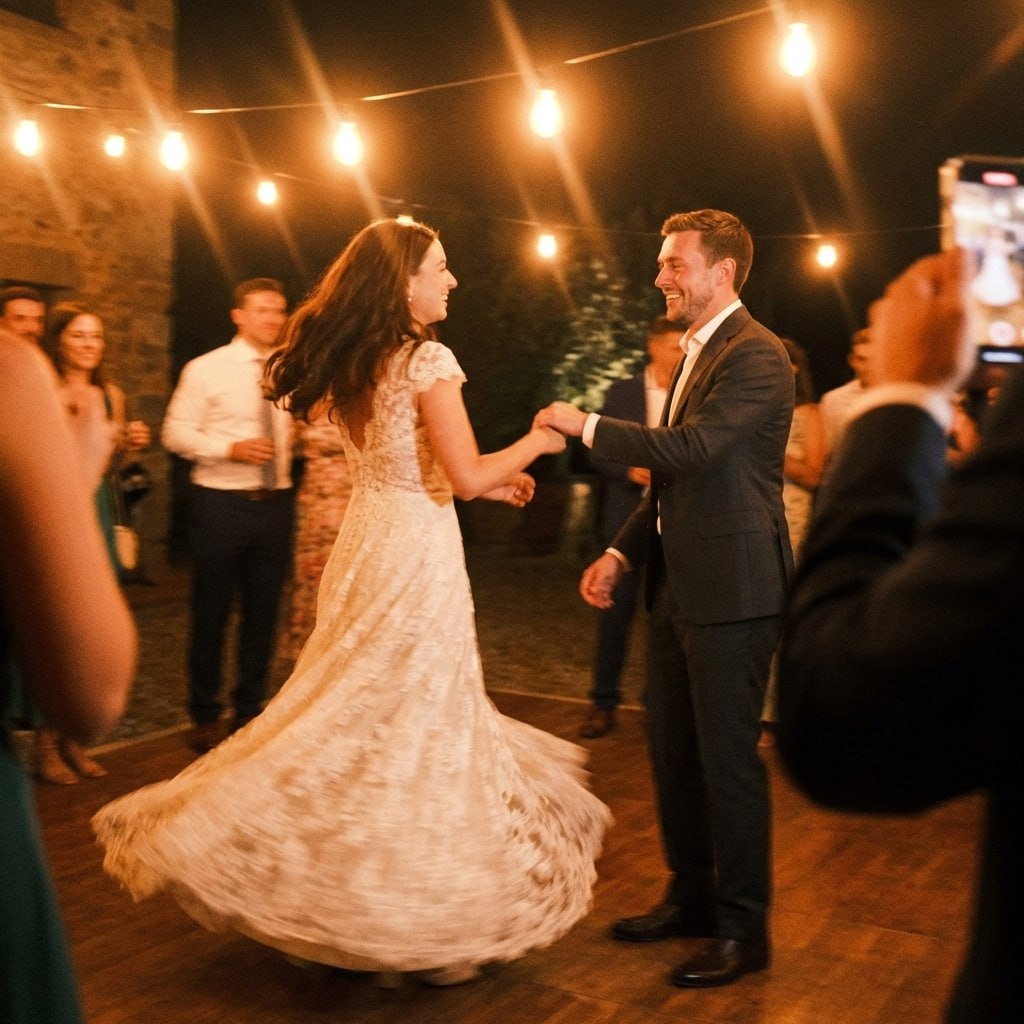
First dance
You guys!!
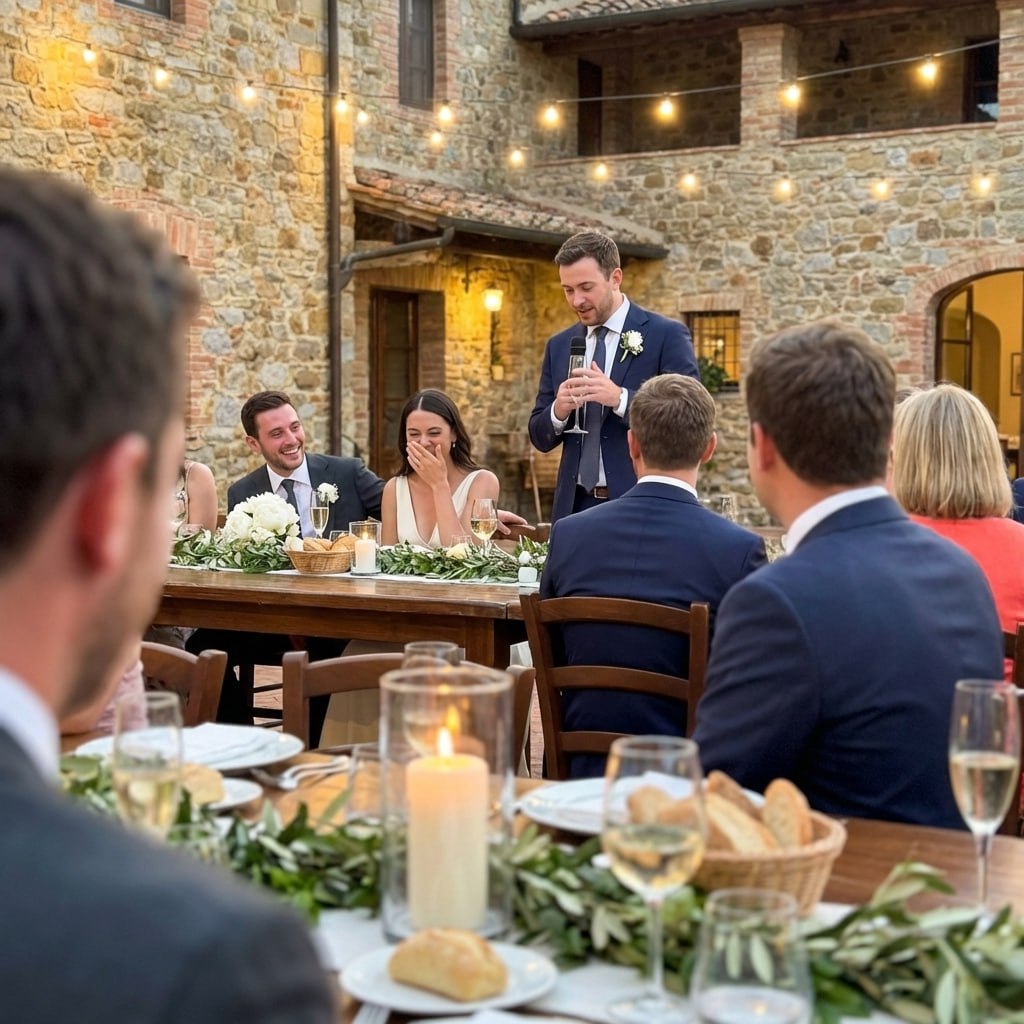
The speech of a lifetime. Keep it safe.
Pix Wedding stores dad's voice message alongside every photo guests capture, so the couple can replay his exact words whenever they want, not just on the day.
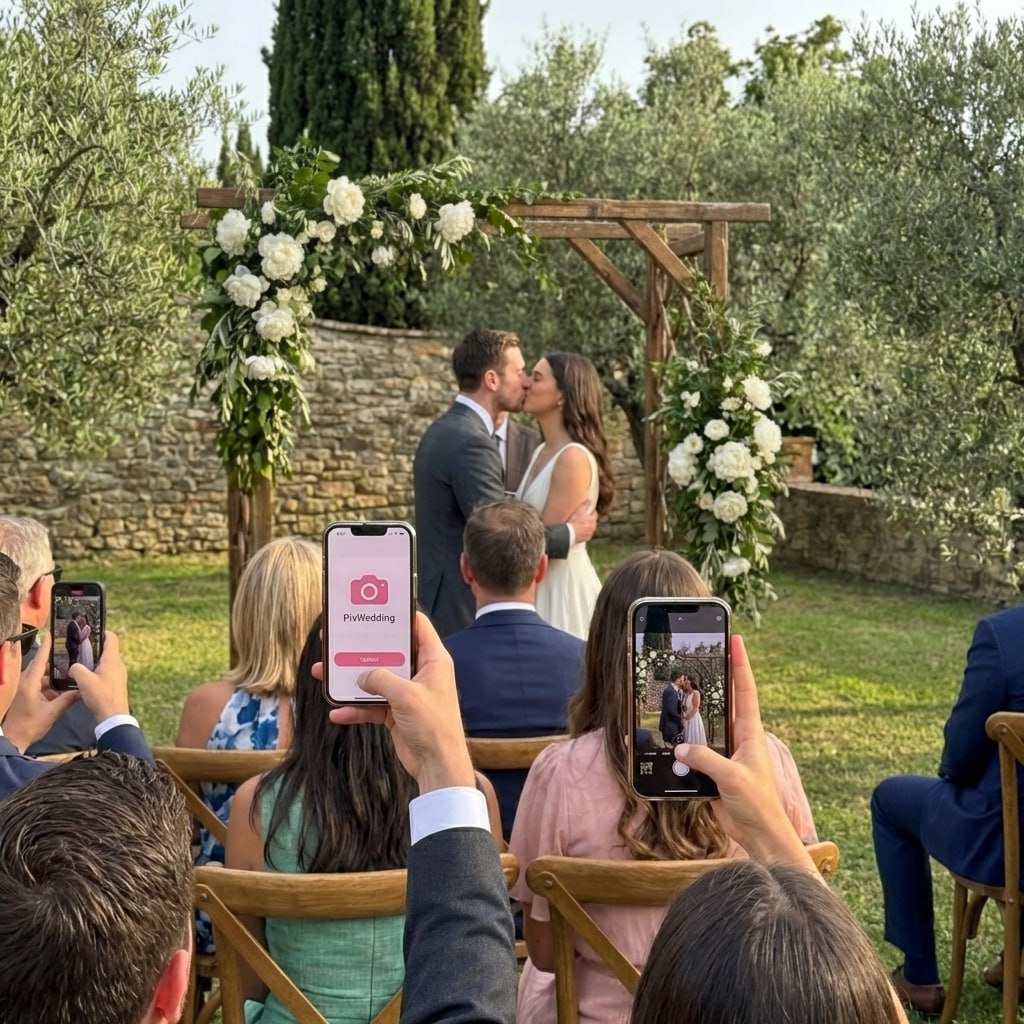
From Mom
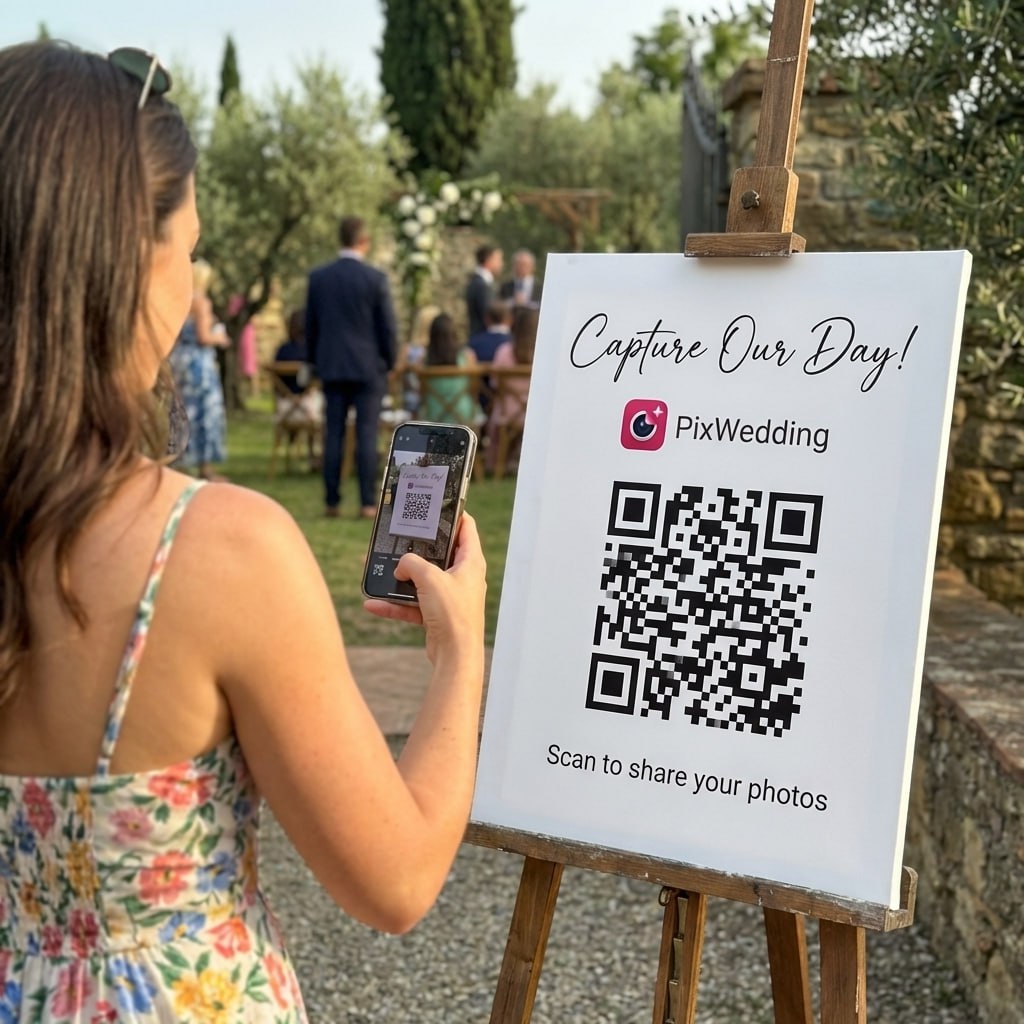
Scan to join the album
No app, no account
UPLOADING
Saving your moment
THE ALBUM
Emma & Jack
June 21, 2026
647 photos · 95 guests
SCAN TO TRY
pix.wedding/
your-wedding
Why the Father of the Bride Speech Matters Most
Of all the speeches given at a wedding, the father of the bride speech carries the most emotional weight. It is the one moment where the person who has known the bride longest stands up to honor the life she has built and the future she is stepping into.
Guests arrive at this speech with high expectations and open hearts. Getting it right does not mean delivering a polished TED Talk. It means saying true things in a genuine voice. This guide walks you through every element, from emotional preparation to microphone etiquette.
- •Understand the emotional landscape before you write a single word
- •Choose the right speech structure for your personality
- •Know what your daughter actually wants to hear
- •Balance humor and emotion without one overwhelming the other
- •Introduce the groom in a way that feels warm and specific
- •Adapt for cultural expectations without losing your authentic voice
Microphone Technique and Delivery Basics
Many fathers are nervous about the microphone itself. Hold it about four inches from your mouth at a slight downward angle to avoid breath pops. If a lectern is available, use it so your hands are free to gesture naturally.
Speak 20 percent slower than you think you should. Reception rooms have reverb, and nerves naturally speed up delivery. Make eye contact with your daughter for key emotional lines, and sweep the room gently during lighter moments.
- •Arrive at the venue early to do a quick sound check
- •Never tap or blow into the microphone to test it
- •Keep the microphone steady; side movement creates drop-outs
- •If feedback occurs, move a few inches away and angle down slightly
- •Pause after a funny line to allow laughter to land before continuing
Explore more free wedding tools
Everything you need to make your wedding day stress-free and unforgettable.
AI Vow Generator
Write "banger" vows in seconds.
Hashtag Generator
Create unique wedding hashtags.
Thank You Notes
Generate personalized thank you notes.
Father of the Bride Toast
Full example toasts, structure, and delivery tips.
Invitation Wording
Perfect wording for your invitations.
Couple Name Combiner
Blend your names into the perfect couple name.
Photo Sharing QR
The best way to collect guest photos.
Wedding Checklist
Month-by-month planning checklist.
Father of the Bride Speech FAQ
Straight answers to the questions people ask most about this topic.
The ideal length is 3 to 5 minutes, which works out to roughly 400 to 700 words. Shorter toasts (1 to 2 minutes) work well at rehearsal dinners. Most guests appreciate a speech that is heartfelt and concise rather than exhaustive.
Traditionally the father of the bride gives the first speech of the evening, right after the wedding party is introduced and seated. Some families choose to have the speech during cocktail hour or just before the first dance.
The best speeches blend both. A light opening moment relaxes the crowd, a sincere middle section carries the emotional weight, and a warm toast closes on a high note. You do not need to choose one tone exclusively.
Welcome the groom as a son, not a replacement. Share a specific positive observation about him (how he treats your daughter, a moment you noticed his character) rather than generic praise. A brief funny story about when you first met him also works well.
Pause, take a breath, smile at your daughter, and continue. Guests expect and honor emotion at weddings. Having a printed copy of your speech (not just notes on your phone) means you can find your place quickly after a tearful moment.
Absolutely. Most professional speakers use notes. A printed A5 card or a single folded sheet is perfectly acceptable and far better than losing your place mid-speech. Practice enough that you can look up frequently, but never feel embarrassed to glance down.