









Complete Wedding Guide
Texas Marriage & Wedding Planning Guide 2026
Everything you need to know about marriage licenses, requirements, costs, and planning your wedding in Texas. Everything is bigger in Texas, including weddings, with Hill Country ranch celebrations, Austin's live music scene, Houston's diversity, and Dallas's glamour across a state larger than most countries.
Texas weddings are dominated by two markets: the Hill Country ranch belt between Austin and San Antonio, anchored by venues like Canyonwood Ridge in Leander and Ma Maison in Boerne, and the DFW Metroplex's luxury hotel and Design District event spaces. Texas recognizes common-law marriage, so couples who have cohabited and represented themselves as married may have unintended legal status before any formal ceremony. Texas also has a 72-hour waiting period, which is waived for active-duty military personnel.
Texas Marriage License Requirements
Texas recognizes informal (common law) marriage and has a Declaration of Informal Marriage option. The 72-hour waiting period is waived if the couple completes a premarital education course, which also reduces the license fee.
Common-law marriage note: Texas recognizes common-law marriages. Couples who have lived together and presented themselves publicly as married may already have legal marital status without having filed any paperwork. If you are unsure of your legal status, consult a family law attorney before applying for a marriage license.
Who Can Officiate a Wedding in Texas?
Licensed or ordained ministers, priests, rabbis, and clergy. Judges of any court, justices of the peace, and retired judges. County judges and justices of appellate courts.
Wedding Costs in Texas
Average Wedding Cost
$32,000
This includes venue, catering, photography, attire, and other typical wedding expenses in Texas.
Average Guest Count
155
The typical Texas wedding hosts 155 guests. Plan your seating, catering, and photo sharing accordingly.
Best Seasons
Spring, Fall
The most popular seasons to get married in Texas. Book venues early during peak season.
Coastal Wedding Tips for Texas
Secure your beach or waterfront permit early
Many coastal and beach ceremony sites in Texas require permits from the county parks department, the National Park Service, or the state coastal commission. Permit availability is limited and often opens months in advance. Apply as soon as your date is confirmed.
Always plan a weather backup
Coastal weather in Texas can shift quickly. Even if the forecast looks clear, have an indoor or tented backup venue confirmed before you send invitations. Many beachfront venues include a backup space in the contract.
Time the tide and the sun
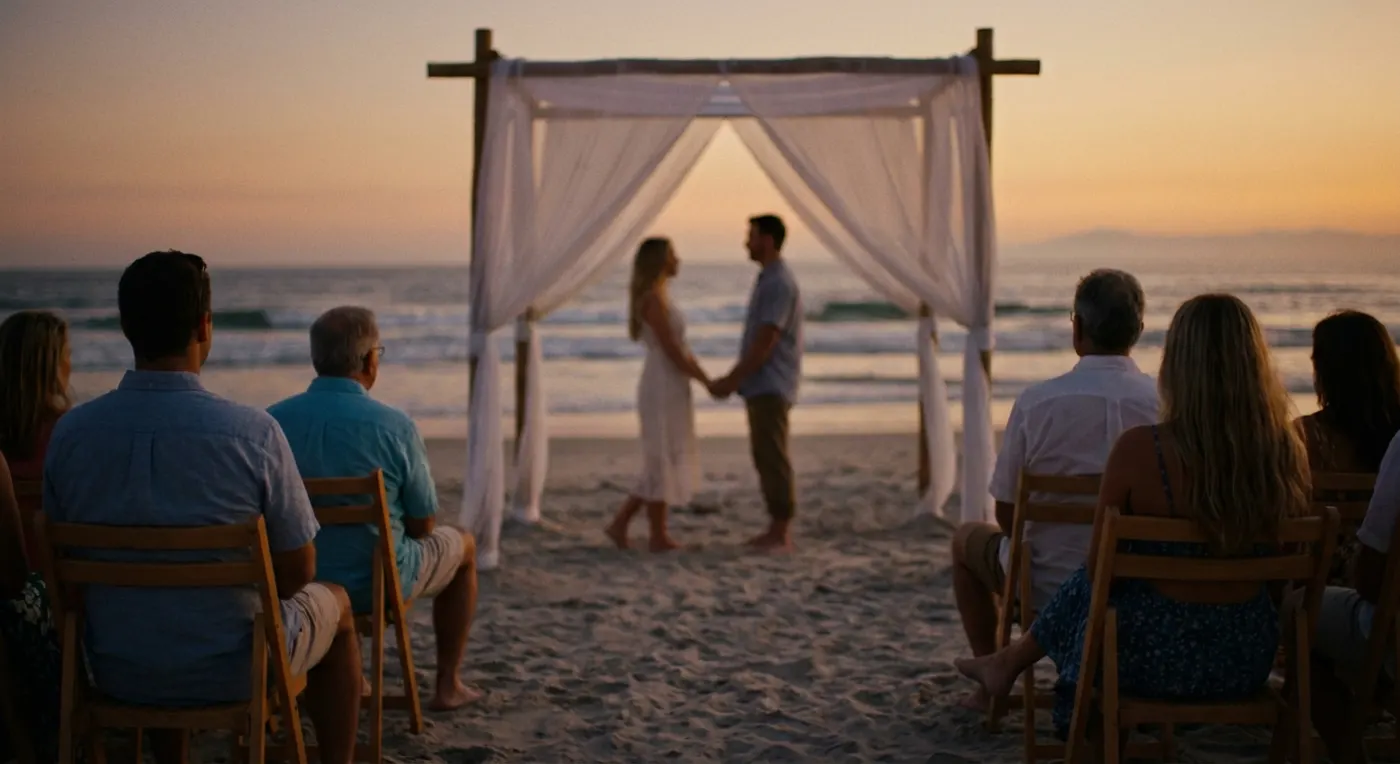
For a beach ceremony, check both the tide table and the sunset time for your specific date. A low tide gives you more sand space, and a ceremony that ends 30 to 45 minutes before sunset positions you perfectly for golden-hour portraits with your photographer.
Protect your guests from wind and glare
Coastal ceremonies in Texas frequently deal with ocean wind that disrupts officiant scripts and guests' comfort. Provide printed ceremony programs so guests can follow along, and orient seating so the sun is behind the couple rather than in guests' eyes.
Popular Wedding Regions in Texas
Hill Country
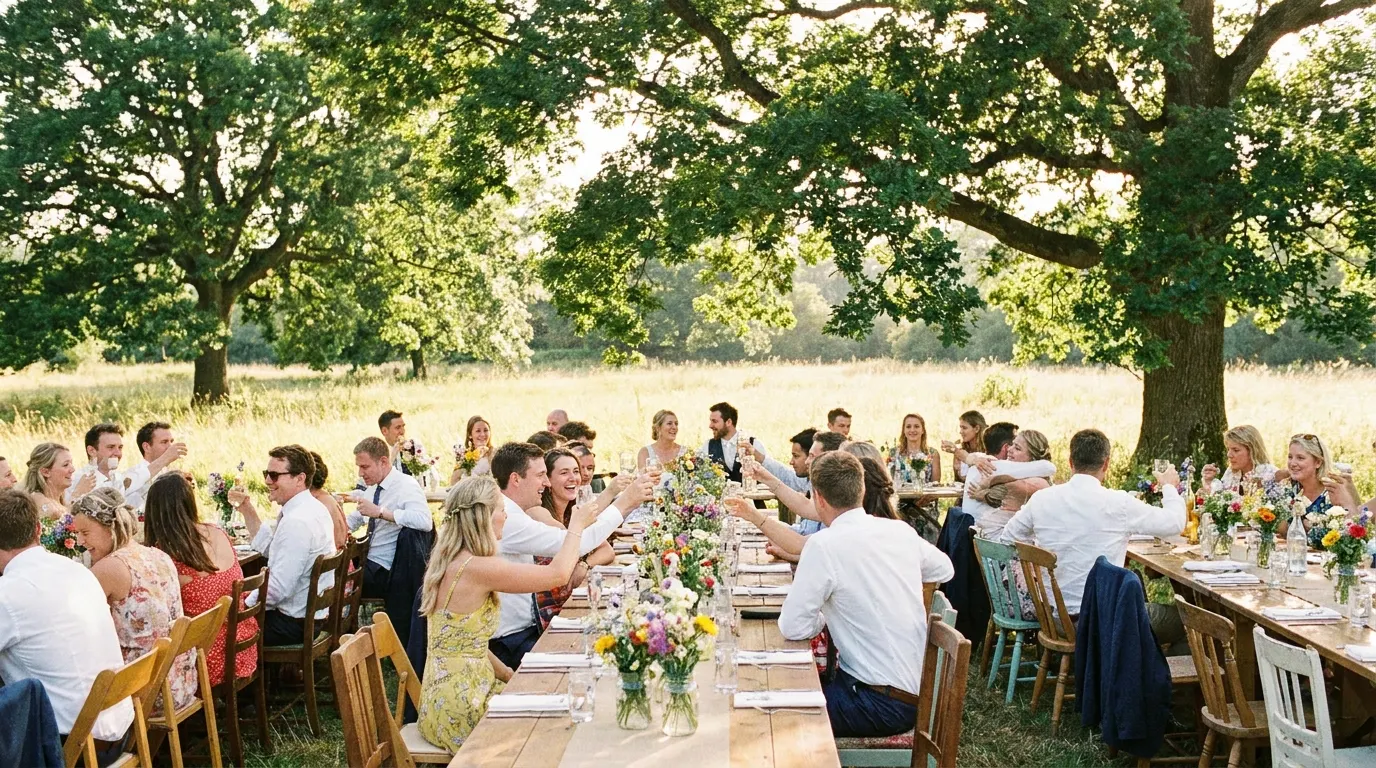
Rolling limestone hills, wildflowers, wineries, and ranches between Austin and San Antonio.
Austin
Live music capital, food trucks, eclectic venues, and a creative spirit that defines Texas cool.
Dallas-Fort Worth
Texas glamour with grand ballrooms, modern skyscrapers, and upscale ranch properties.
Houston & Gulf Coast
Diverse cultural influences, museum district venues, and Galveston beach celebrations.
Top Wedding Venues in Texas
How to Get Married in Texas: Step by Step
Apply for Your Marriage License
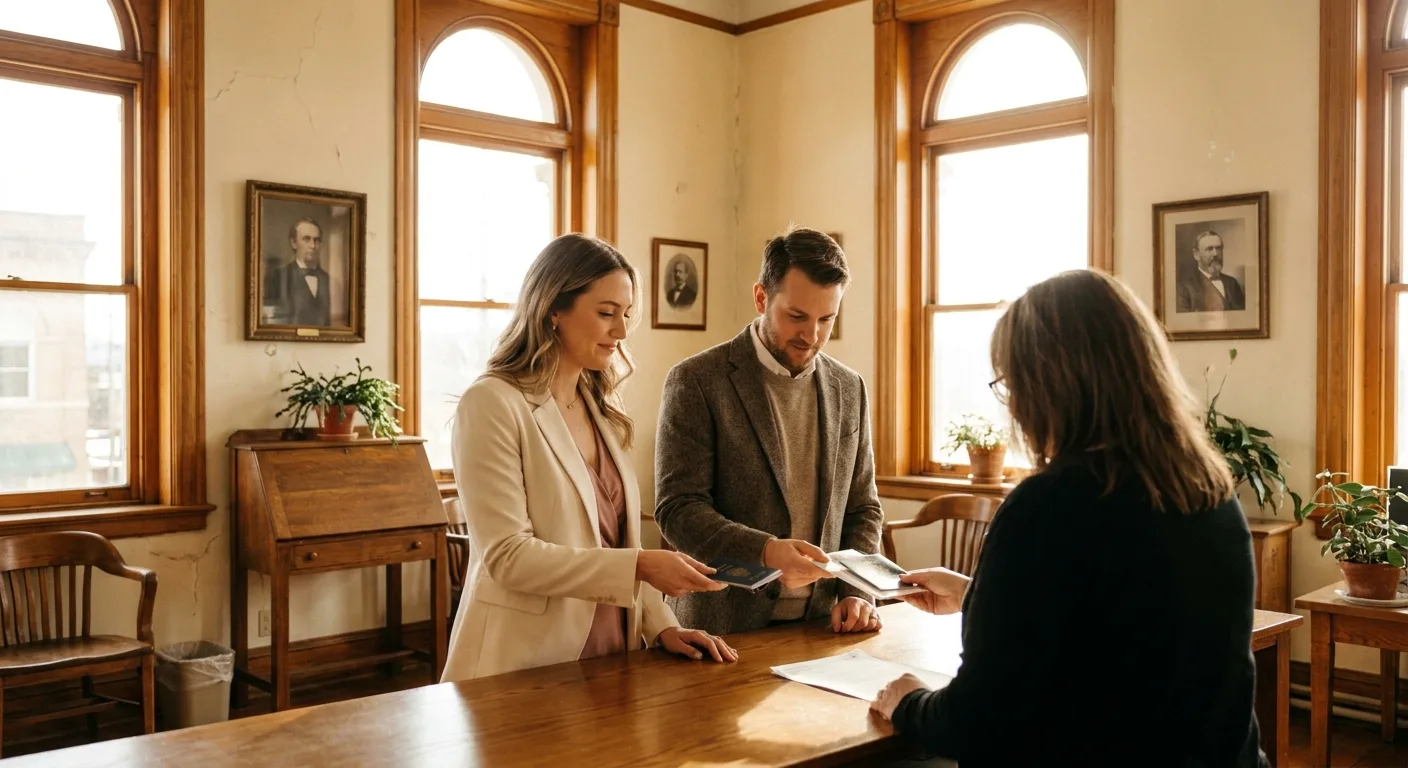
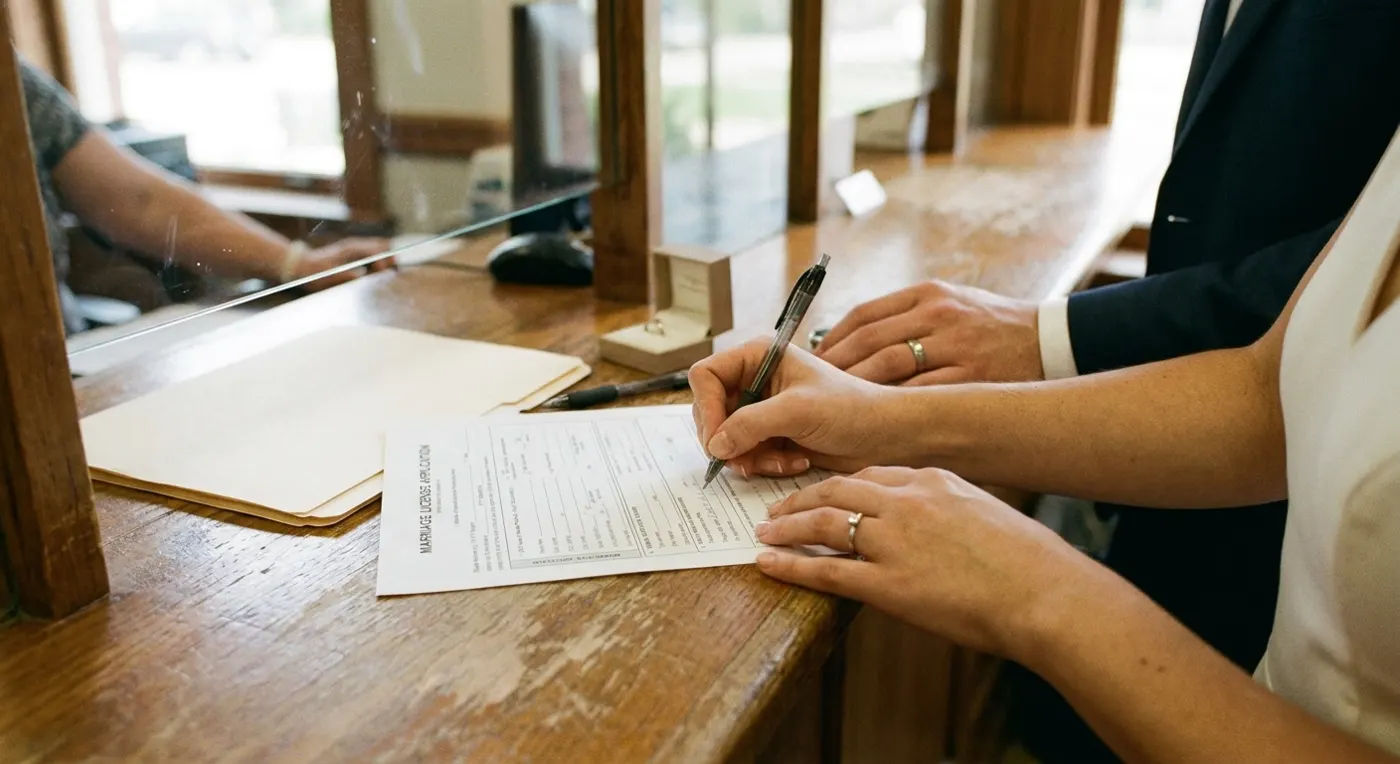
Visit the County Clerk in Texas with your partner. Bring valid photo ID (driver's license or passport), proof of age, and the license fee of $81. Both partners must appear in person.
Wait 72 hours
After receiving your license, you must wait 72 hours before the ceremony. Your license is valid for 90 days after issuance, so plan your ceremony date within that window.
Choose Your Officiant
In Texas, your wedding can be officiated by licensed or ordained ministers, priests, rabbis, and clergy. Make sure your officiant is properly authorized before the ceremony.
Hold Your Ceremony
Have your ceremony at your chosen Texas venue. Texas does not require witnesses, though many couples still choose to have them.
File Your Marriage Certificate
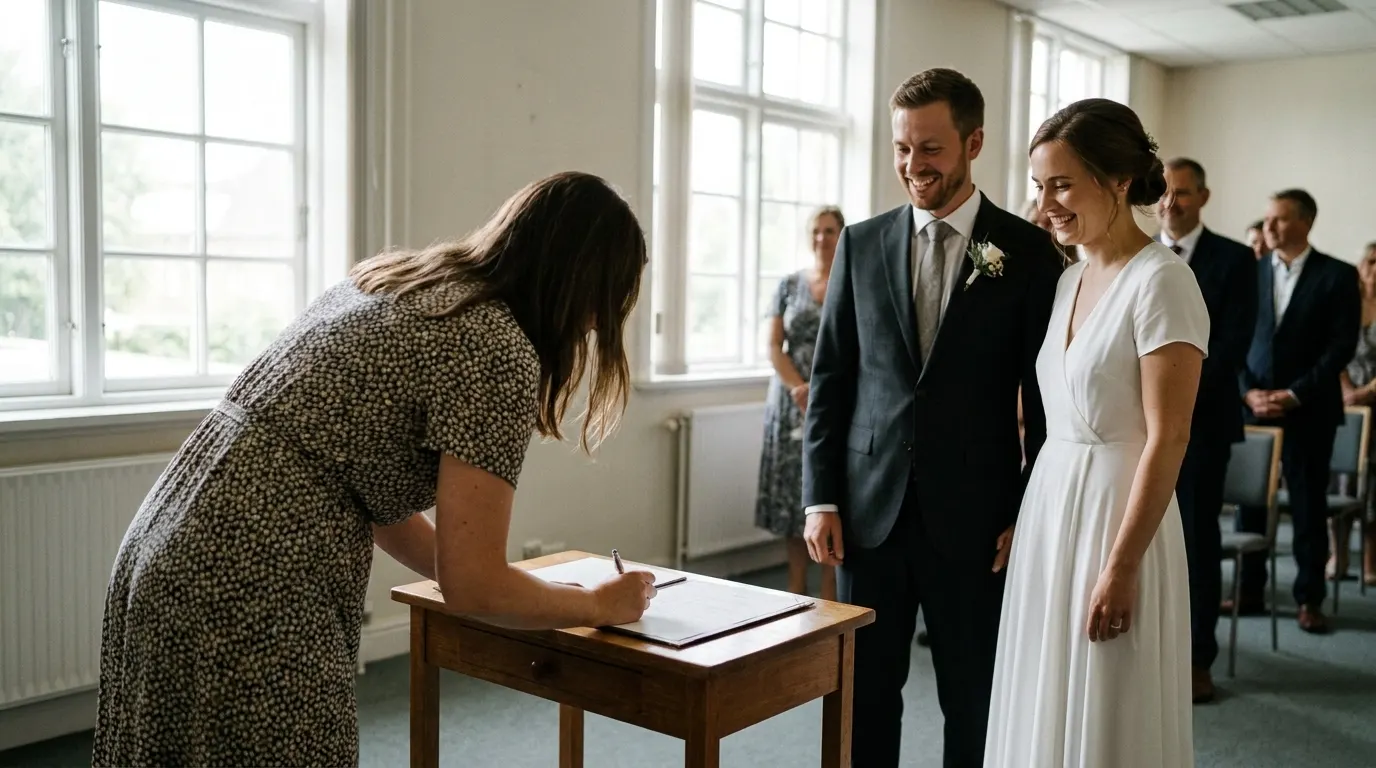
After the ceremony, your officiant will sign the marriage license and return it to the County Clerk. Once filed, you will receive your official marriage certificate. This is your legal proof of marriage.
Texas Wedding Planning Tips
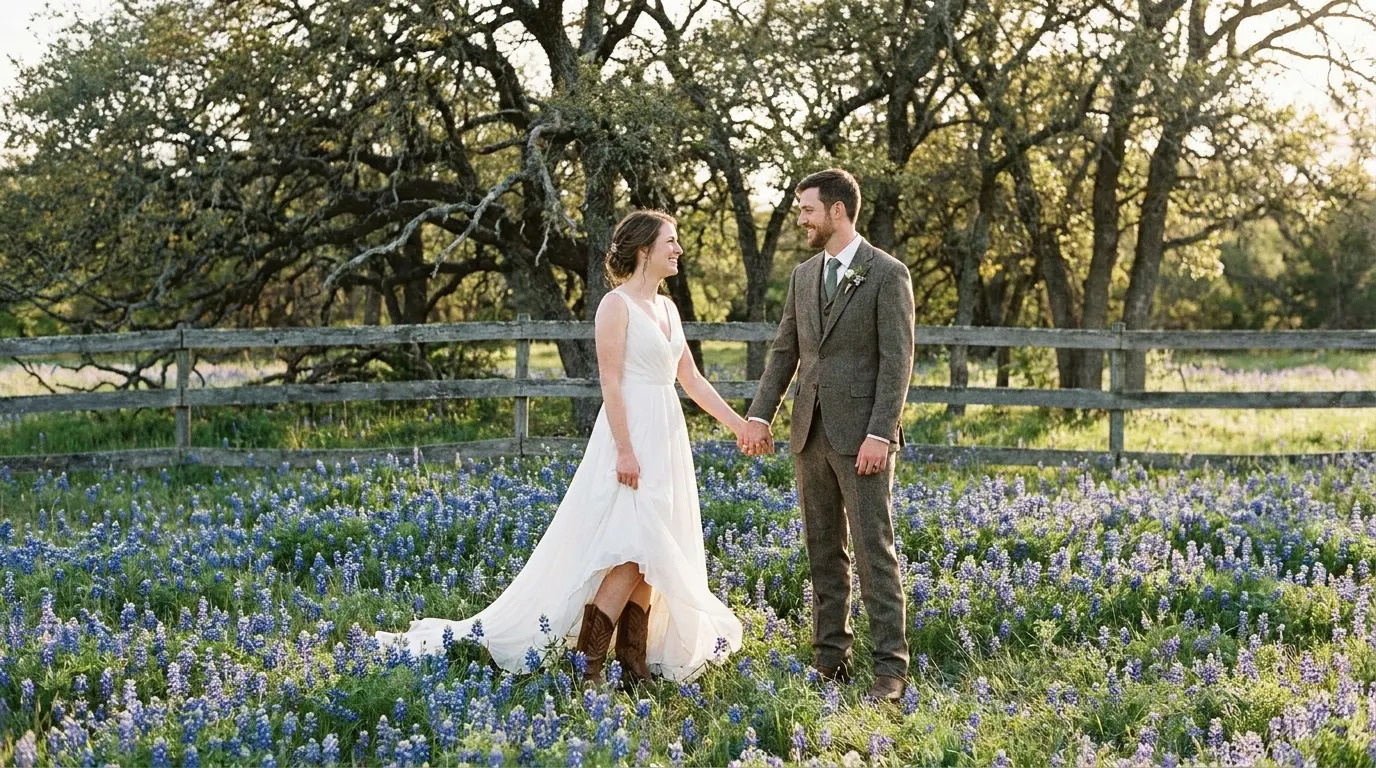
Texas Hill Country in April during wildflower season (especially bluebonnets) is magical
Avoid outdoor weddings from June through August when most of Texas exceeds 100 degrees
Texas weddings tend to be larger so budget for higher guest counts than the national average
Planning your Texas wedding? Collect every guest photo.
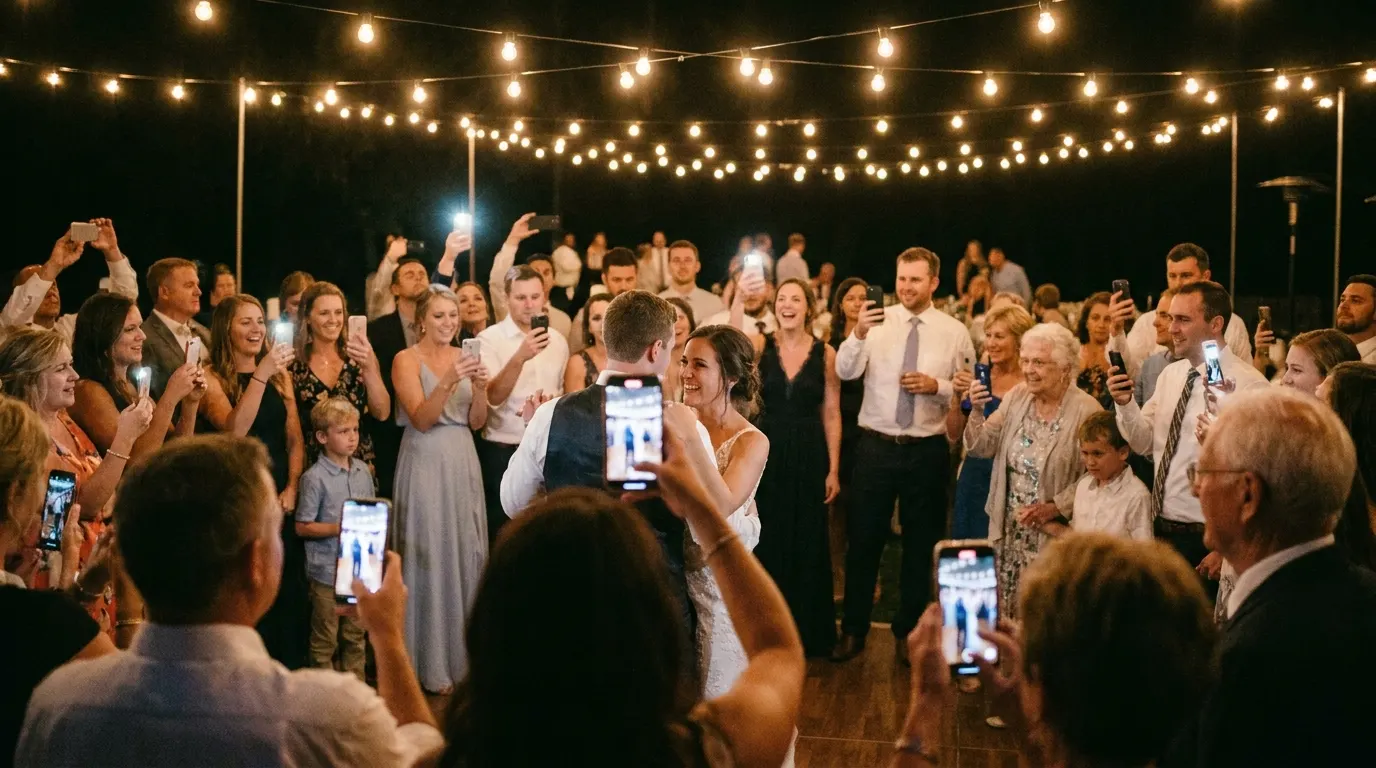
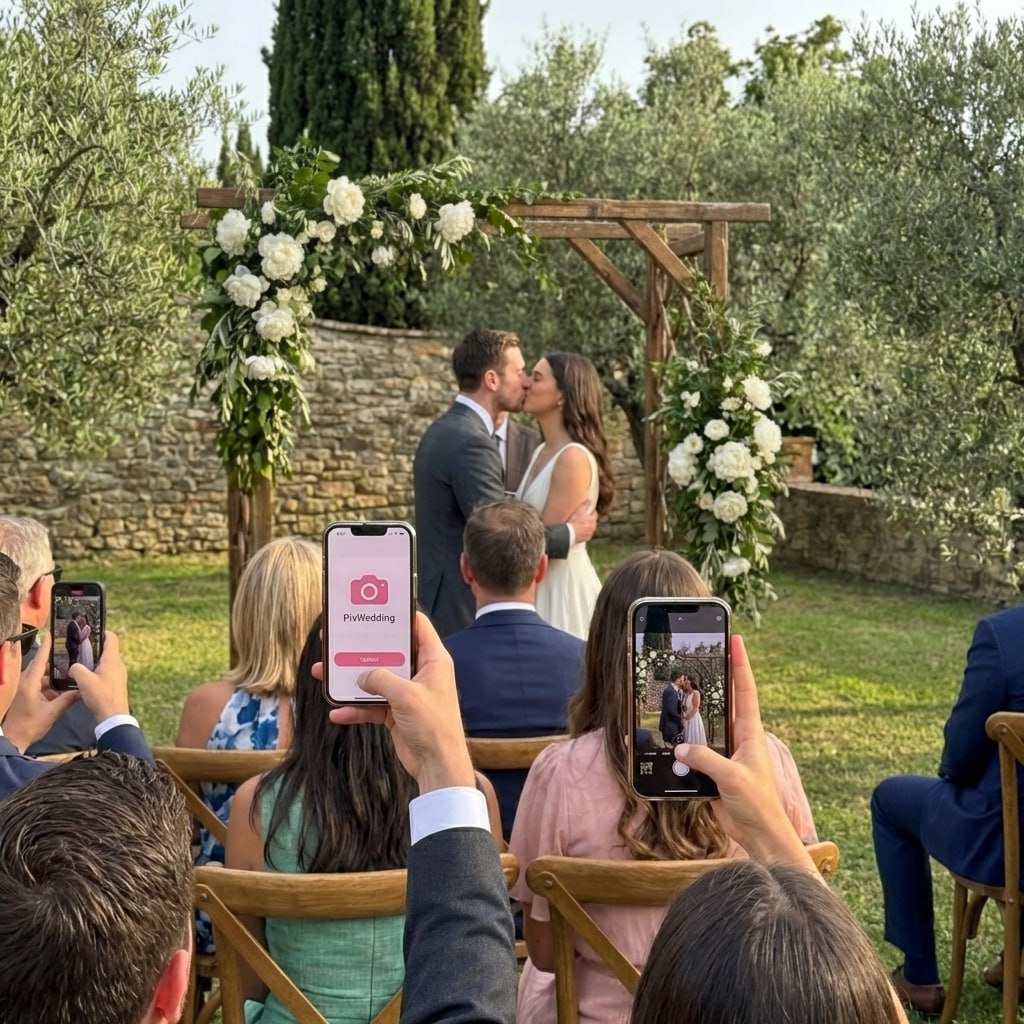
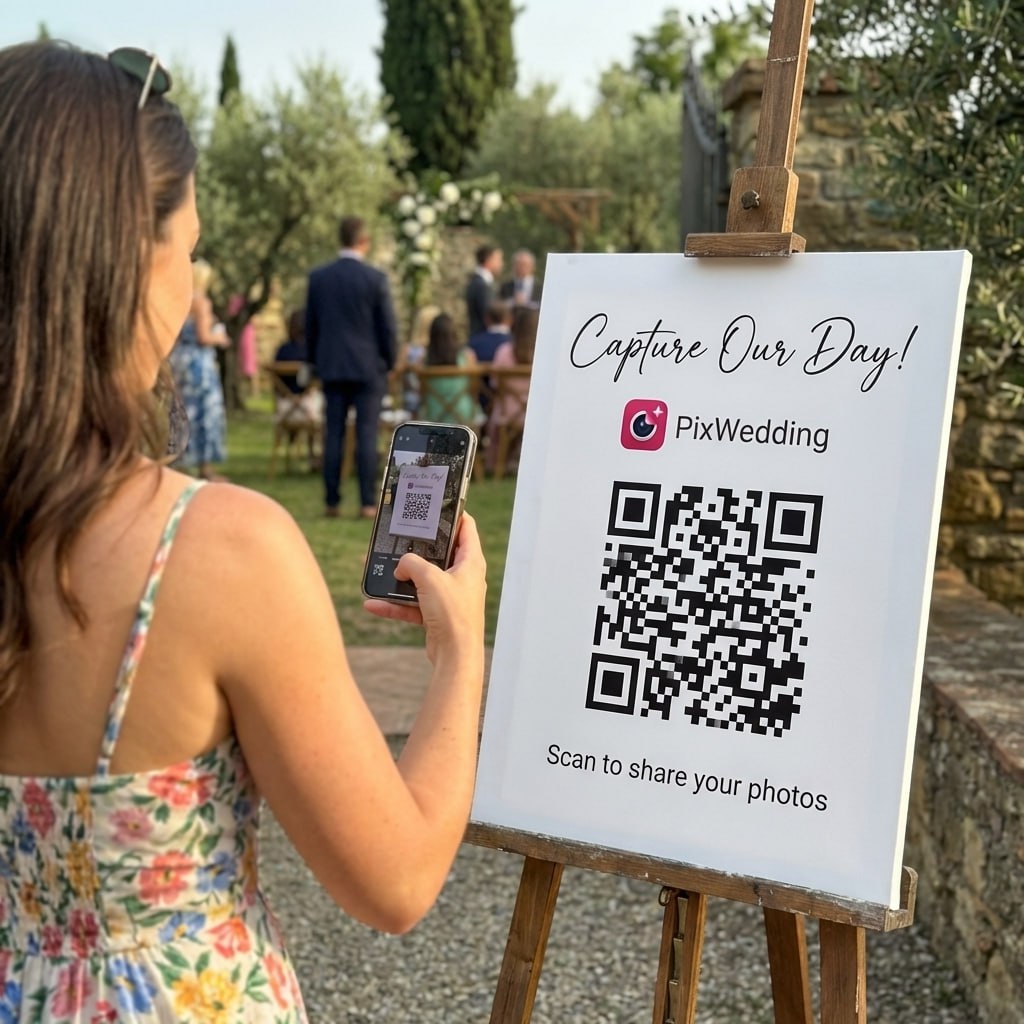
Once you have your marriage license sorted, make sure every guest can share their photos and videos. With Pix Wedding, guests scan a QR code and instantly upload to your shared album. No app downloads. No hassle.
Create Your Free AlbumNo credit card required. Setup takes under 2 minutes.
Explore Texas Wedding Venues
Browse our guide to the best wedding venues across Texas.
Wedding Photo Sharing in Texas
Learn how to collect every guest photo at your Texas wedding.
What Makes Getting Married in Texas Unique
Texas weddings are dominated by two markets. The Hill Country ranch belt between Austin and San Antonio, anchored by venues like Canyonwood Ridge in Leander and Ma Maison in Boerne, drives the rustic-and-outdoor segment. The DFW Metroplex's luxury hotel and Design District event spaces drive the urban-and-formal segment. Houston, Galveston, and Marfa each add distinct sub-markets. Texas recognizes common-law marriage, so couples who have cohabited and represented themselves as married may have unintended legal status before any formal ceremony. Texas also has a 72 hour waiting period, which is waived for active-duty military personnel. The license fee runs $80 to $85 by county.
Signature Texas Wedding Angles
Texas Wedding Season: What Locals Know
Texas weddings peak in March through May and again from October through early December. Summer heat from June through September across most of the state pushes outdoor ceremonies to early morning or late evening. The Hill Country bluebonnet season in late March and April is a distinct visual draw. Hurricane risk for the Gulf Coast runs June through November.
Texas-Specific Wedding Questions
How does the Texas 72 hour waiting period work?
Texas requires a 72 hour waiting period after the license is issued before the ceremony can occur. The fee is $81 to $85 by county, valid for 90 days, no blood test or residency required. The waiver options include active-duty military service and completion of a state-approved premarital counseling course. Couples can also apply at the county clerk early in a planning trip to satisfy the wait while sightseeing.
Does Texas recognize common-law marriage?
Yes. Texas is one of the small group of states that still recognizes common-law marriage formed within its borders. The three legal requirements are mutual agreement to be married, continuous cohabitation as spouses, and a public holding-out as married. Couples in long-term cohabitation may already have marriage obligations without a formal ceremony, which can affect property, debt, and inheritance.
When does the Texas Hill Country bluebonnet season for weddings happen?
Texas Hill Country bluebonnets typically bloom mid-March through mid-April with peak color usually in the first 10 days of April. Late March through mid-April Saturdays for ranch and vineyard ceremonies at Hill Country venues book 14 to 18 months in advance specifically for the bluebonnet aesthetic. The bloom is weather-dependent and can shift earlier or later by 2 weeks year to year.
Popular Wedding Searches in Texas
Wedding Guides for Other States
Disclaimer: This guide is for informational purposes only and is not legal advice. Marriage laws and requirements can change. Always verify current requirements with your local County Clerk in Texas before making plans. Last reviewed: 2026.
Texas Marriage & Wedding FAQ
Everything you need to know about our free tools and how they help your wedding day.
A marriage license in Texas costs $81. You can apply at the County Clerk. No residency requirement, so out-of-state couples can apply as well.
Texas has a 72 hours waiting period after the marriage license is issued before the ceremony can take place. The license is valid for 90 days after issuance.
Licensed or ordained ministers, priests, rabbis, and clergy. Judges of any court, justices of the peace, and retired judges. County judges and justices of appellate courts.
The minimum age to marry without parental consent in Texas is 18. Texas does not allow minors to marry.
The most popular wedding seasons in Texas are Spring and Fall. During these windows, top venues in regions like Hill Country and Austin book out months in advance. Fall weddings benefit from cooler temperatures and, in some regions, stunning foliage color.
The average wedding in Texas costs $32,000 with an average guest count of 155. Spring and Fall are the most popular seasons for weddings in Texas. Popular wedding regions include Hill Country, Austin, Dallas-Fort Worth.
Explore more free wedding tools
Everything you need to make your wedding day stress-free and unforgettable.
Seating Chart Planner
Plan your reception seating visually.
Guest List Manager
Track RSVPs and dietary needs.
Timeline Builder
Plan your entire wedding day.
Countdown Timer
Count down the days to your big day.
Wedding Checklist
Month-by-month planning checklist.
Alternative to Wedding Guest Book
15 creative alternatives guests actually enjoy.
Photo Sharing QR
The best way to collect guest photos.
Cost Calculator
Compare wedding costs by city.