
Order of Events at a Wedding Reception
From the cocktail hour to the sparkler send-off, here are the 12 key moments of a wedding reception in the order they traditionally happen, with timing and tips for each one.
Guests enjoy drinks and appetizers while you take formal photos. This is the transition between ceremony and reception.
The wedding party is announced and enters the reception, followed by the couple. This sets the energy for the night.
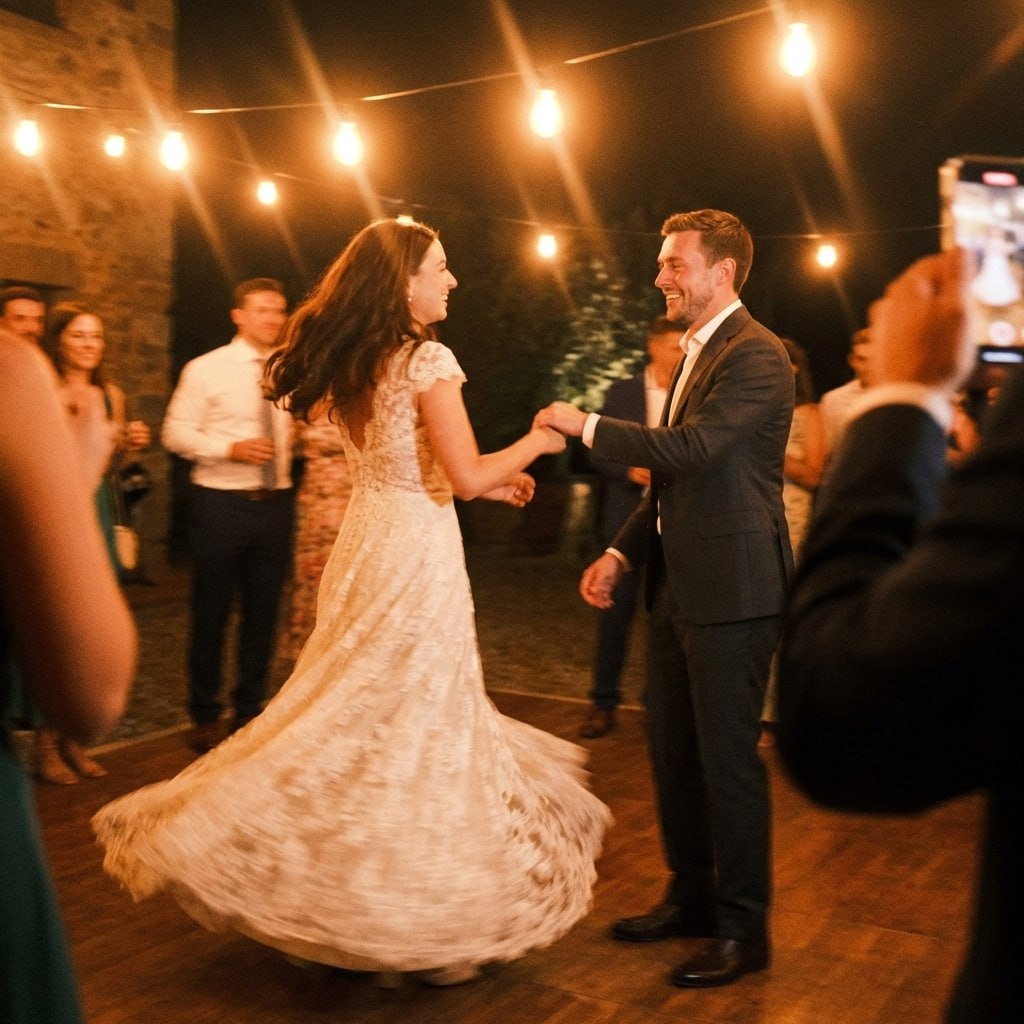
The couple shares their first dance as a married pair. Some couples do this later in the evening.
The couple, a parent, or the host welcomes everyone and offers a brief toast before dinner begins.
Whether plated, buffet, or family style, this is the main meal. Give guests enough time to eat and enjoy.
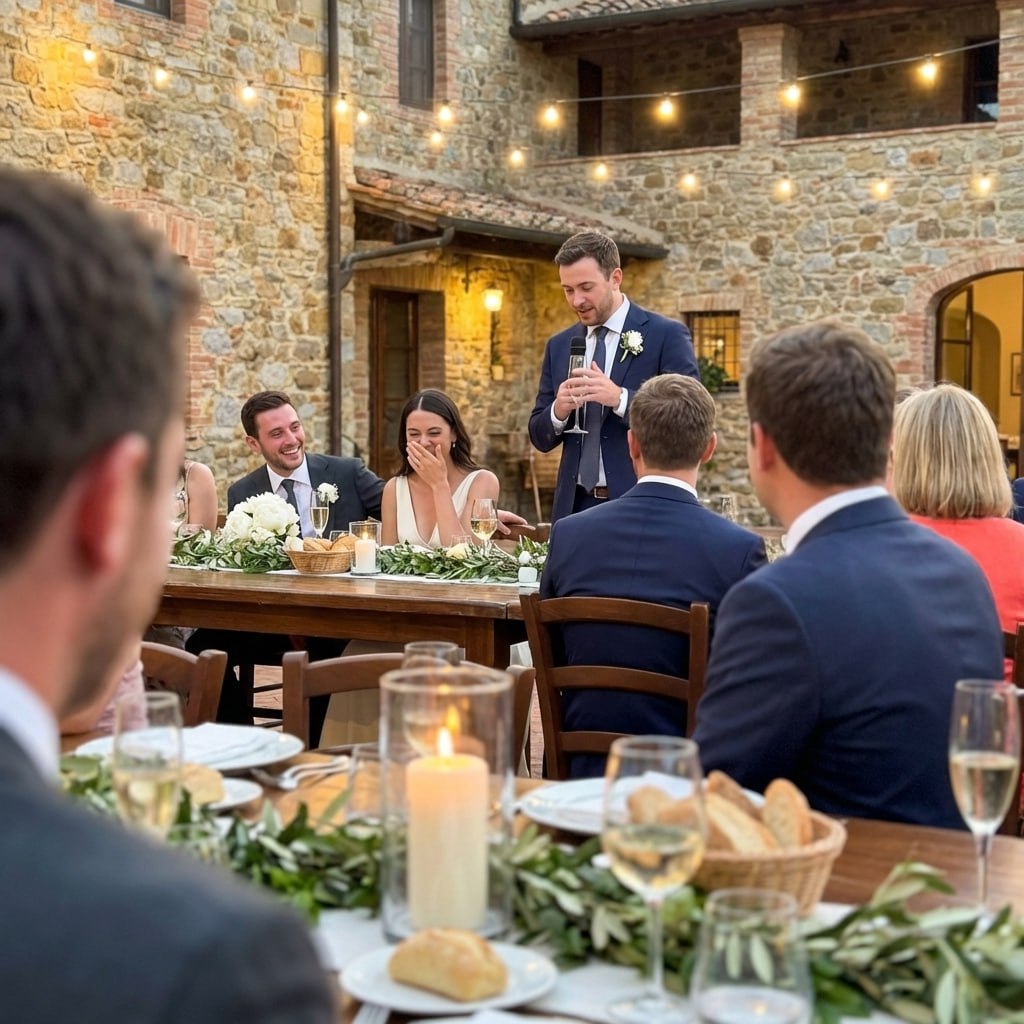
Best man, maid of honor, and optionally parents give toasts. Schedule these between courses or after dinner.
The couple cuts the cake together. This is a great photo moment and signals that dessert is coming.
Father-daughter and mother-son dances. These can be combined into one song or done separately.
Optional traditions where the bride throws the bouquet and the groom tosses the garter. Many modern couples skip these.
The longest part of the reception. The DJ or band plays and the dance floor opens to everyone.
The final dance of the evening, just for the couple or with all guests joining in.
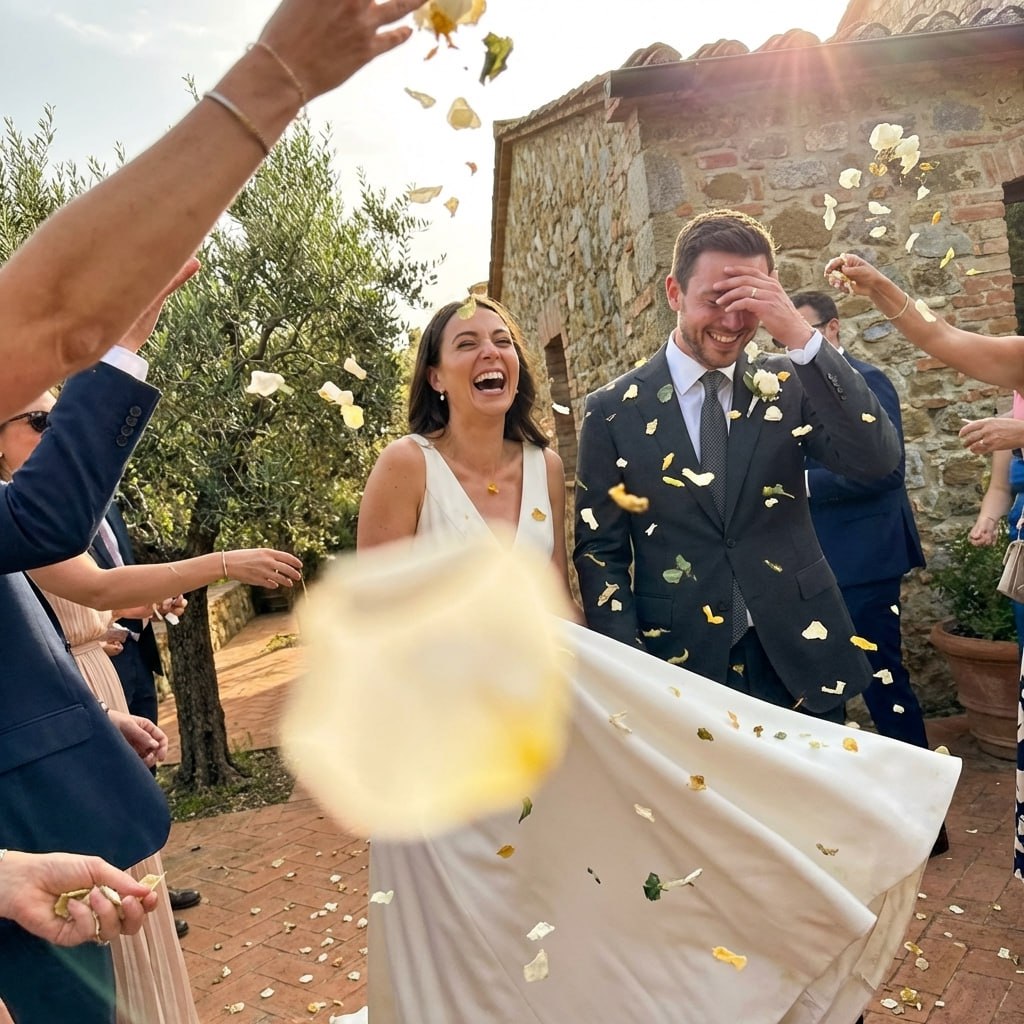
Guests line up for sparklers, bubbles, confetti, or a tunnel send-off as the couple departs.
Modern Alternatives to Traditional Events
Not every tradition fits every couple. Here are popular swaps that keep the energy high while making your reception feel uniquely yours.
Invite all married couples to the floor. Eliminate couples by years married until the longest-married pair wins the bouquet. Much more inclusive and meaningful.
The couple sits back-to-back answering questions by raising shoes. It is interactive, hilarious, and keeps all guests entertained without anyone feeling singled out.
Skip the DJ announcement and simply walk into the reception during cocktail hour. Feels more natural and removes the pressure of a choreographed entrance.
Instead of a single cake moment, unveil a dessert bar with multiple options. Walk over together and take the first bite from your favorite treat.
Start your first dance as a couple, then 30 seconds in, invite all guests to join. Removes the spotlight pressure and gets everyone on the floor immediately.
Guests form two lines and create a tunnel with their arms. The couple runs through while everyone cheers. Works great for daytime or indoor weddings where sparklers are not practical.
Customizing Your Reception Order
Skip the Bouquet Toss
Many modern couples replace this with an anniversary dance where the last couple standing wins the bouquet.
Move First Dance to Later
Some couples prefer to do their first dance after dinner when the dance floor energy is higher and more guests are watching.
Speeches Between Courses
Rather than a dedicated speech block, have each toast between dinner courses. This keeps the energy flowing and breaks up long meals.
Combine Parent Dances
Start with the father-daughter dance, then midway through have the mother-son join. Then invite all guests onto the floor.
Quick-Reference Timing Guide
Related Guides
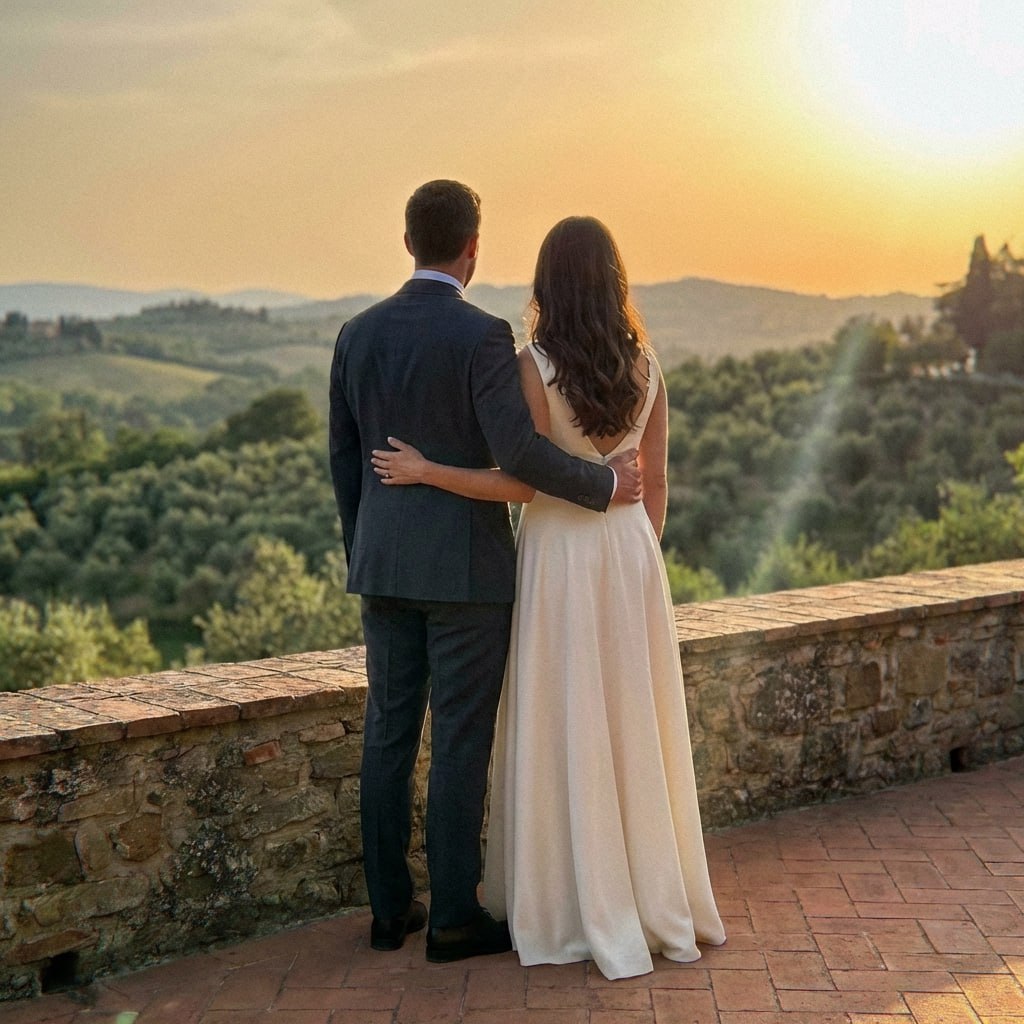
First dance
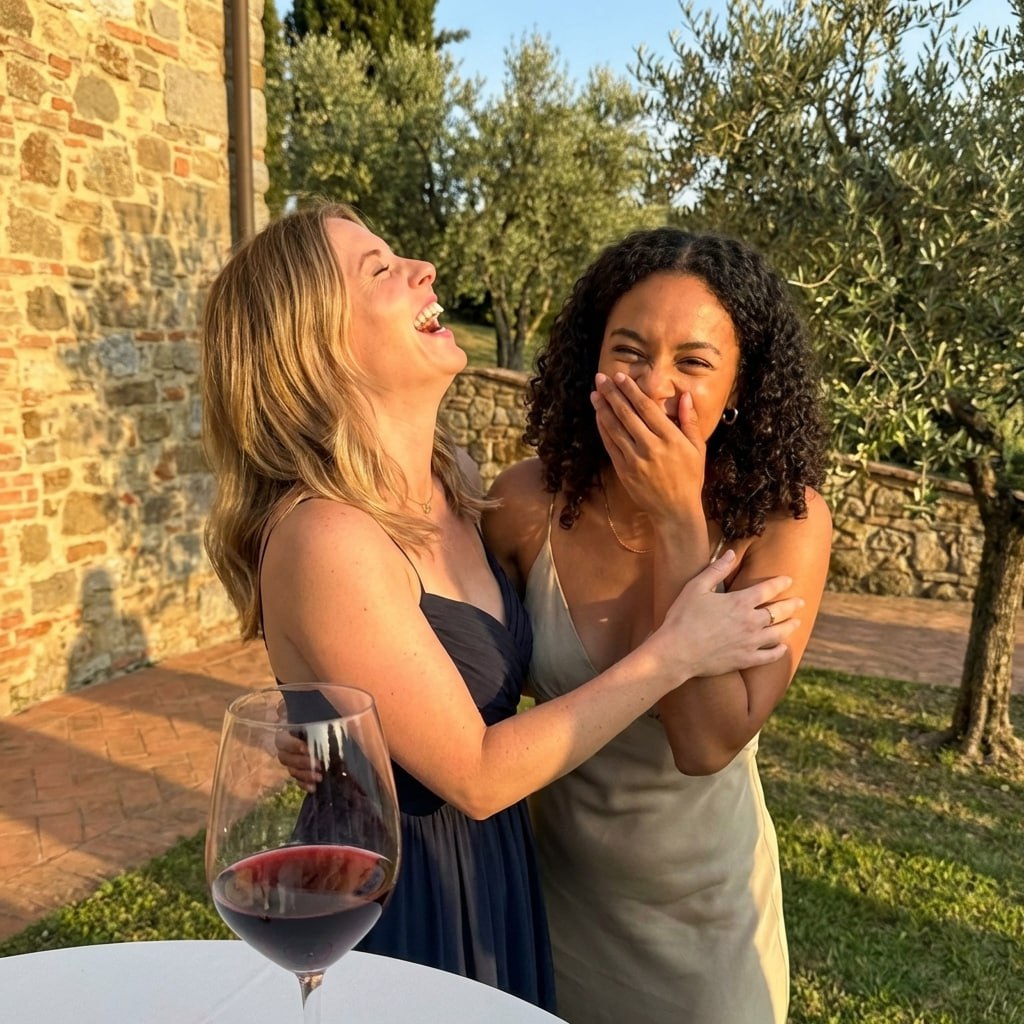
You guys!!
Every event on your timeline, photographed by guests
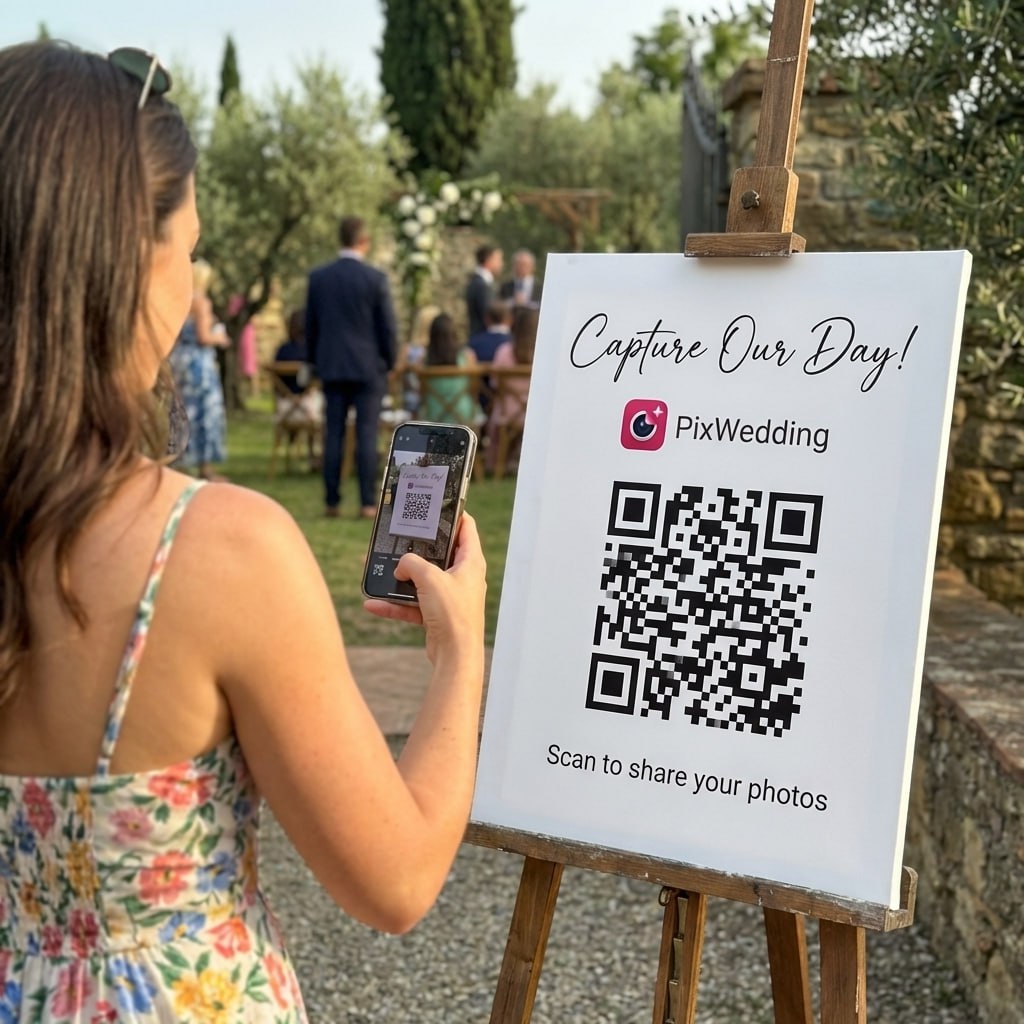
From cocktail hour to the send-off, each moment on your timeline is a photo opportunity. A QR code at each table sends every shot to your shared album automatically.
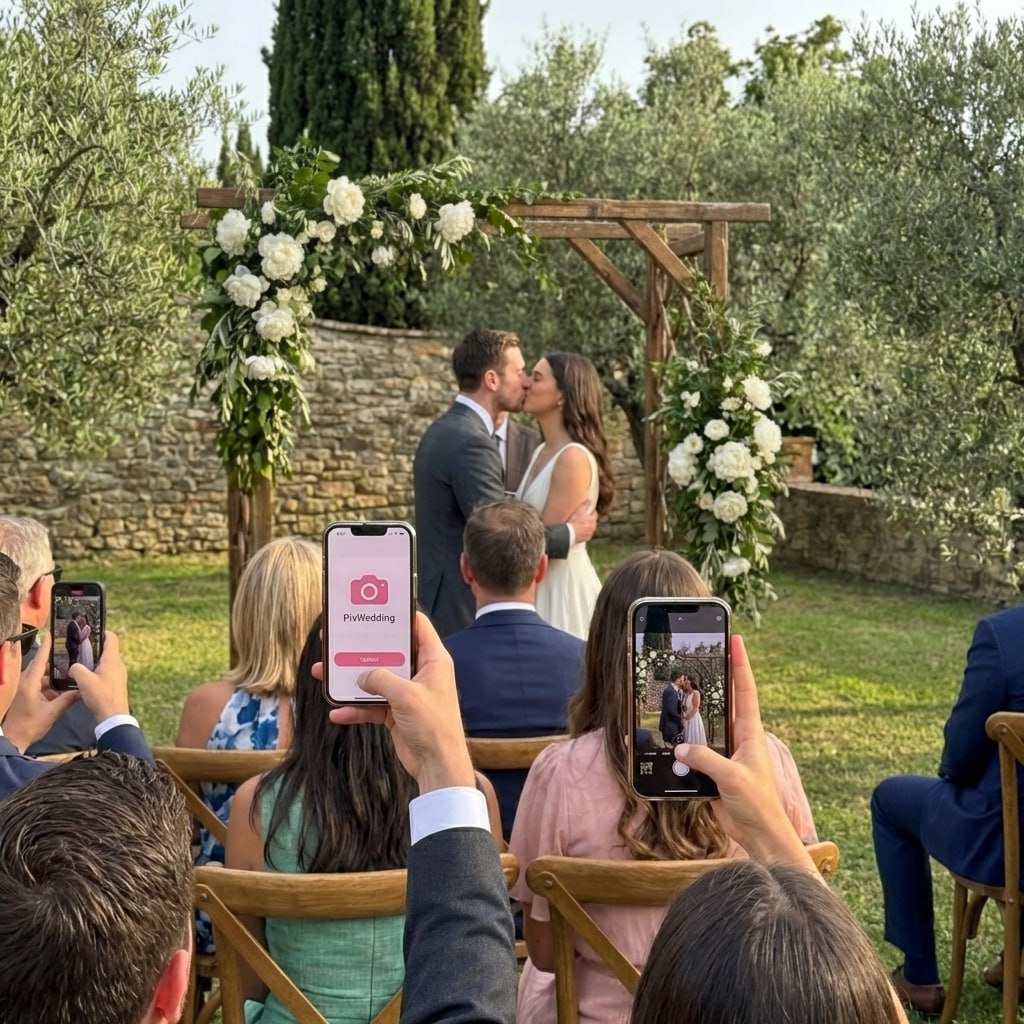
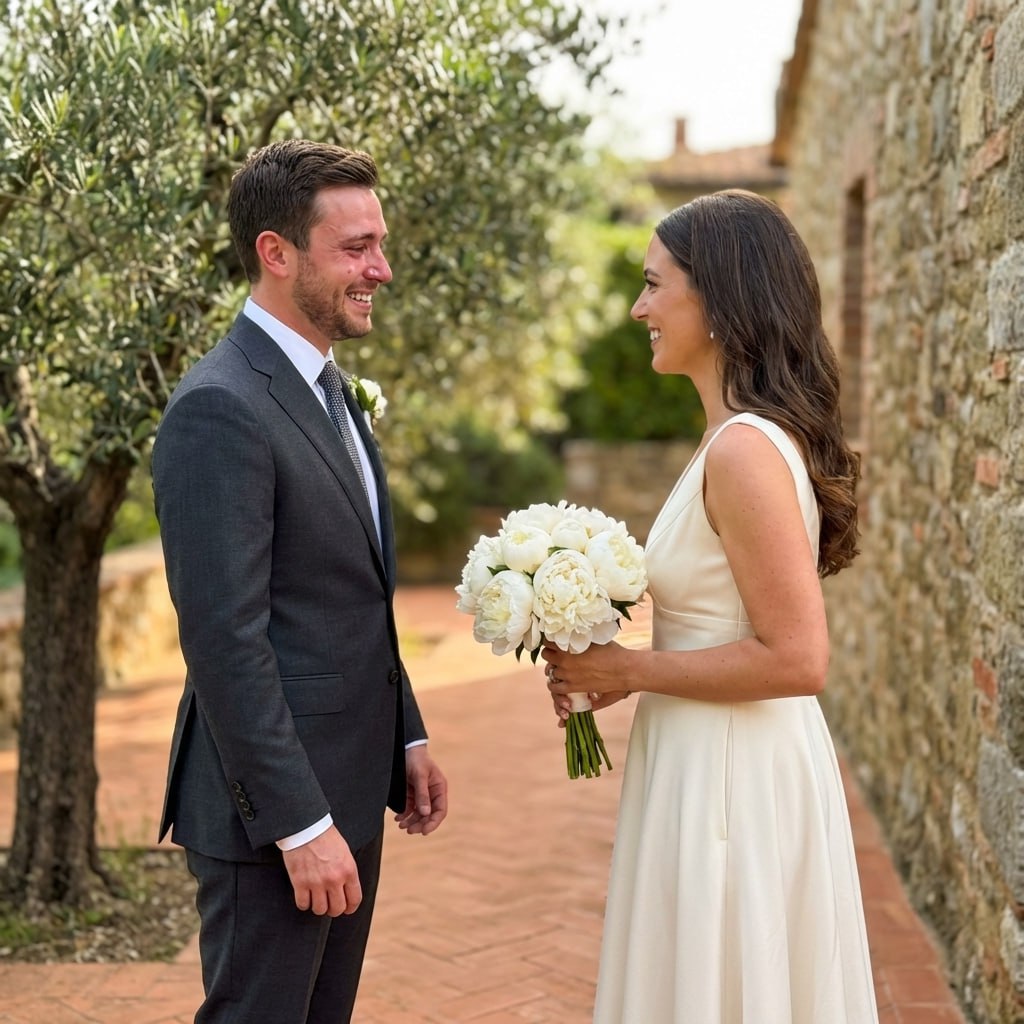
From Mom
Scan to join the album
No app, no account
UPLOADING
Saving your moment
THE ALBUM
Emma & Jack
June 21, 2026
647 photos · 95 guests
SCAN TO TRY
pix.wedding/
your-wedding
Why the Order of Events Matters
Getting the order of events right at your wedding reception keeps the energy flowing and prevents awkward gaps. Your DJ or MC uses this timeline to transition smoothly between moments, your photographer uses it to anticipate key shots, and your caterer uses it to time meal service perfectly.
The timeline above is the most traditional order, but every wedding is different. The key is having a clear plan that everyone on your vendor team has a copy of. Share it with your DJ, photographer, caterer, venue coordinator, and wedding planner at least two weeks before the wedding.
- •Print the timeline and give copies to your DJ, photographer, and venue coordinator
- •Build a 15-minute buffer between the ceremony end and cocktail hour
- •Keep speeches short: 3-5 minutes each, 3-4 speakers maximum
- •Allow 90-120 minutes for open dancing to give guests a real party experience
Modern Alternatives to Traditional Reception Events
Not every couple wants a traditional bouquet toss or garter throw. Modern alternatives include an anniversary dance (where married couples dance and the longest-married couple wins the bouquet), a sparkler send-off instead of a grand exit, or replacing the cake cutting with a dessert bar or donut wall.
Some couples also skip the formal grand entrance and simply mingle their way into the reception during cocktail hour. Others do a joint first dance with their parents from the start. There is no right or wrong order as long as your guests know what to expect and your vendors can follow along.
Explore more free wedding tools
Everything you need to make your wedding day stress-free and unforgettable.
Seating Chart Planner
Plan your reception seating visually.
Guest List Manager
Track RSVPs and dietary needs.
Venues by State
Explore venues across all 50 states.
Countdown Timer
Count down the days to your big day.
Wedding Checklist
Month-by-month planning checklist.
Bachelorette Party Games
15+ games with rules, supplies, and timing.
Alternative to Wedding Guest Book
15 creative alternatives guests actually enjoy.
Wedding Menu Builder
Design and print your reception menu.
Wedding Reception Order of Events FAQ
Everything you need to know about our free tools and how they help your wedding day.
The traditional order is: cocktail hour, grand entrance, first dance, welcome toast, dinner, speeches and toasts, cake cutting, parent dances, bouquet/garter toss (optional), open dancing, last dance, and send-off. The entire reception typically runs 4 to 5 hours.
Most receptions last 4 to 5 hours. Cocktail hour takes about 1 hour, dinner and toasts take about 1.5 hours, and open dancing fills the remaining 2 to 2.5 hours. Some couples add an extra hour for an after-party or late-night snack.
Speeches traditionally happen after dinner or between courses. Scheduling them during the meal keeps the flow natural and prevents an awkward block of 20+ minutes of talking. Limit speeches to 3-4 speakers at 3-5 minutes each.
Absolutely. Some couples prefer to do their first dance after dinner when the energy is higher and guests have had a drink or two. The dance floor feels more natural when people are relaxed. There is no rule about when it has to happen.
Not at all. Many modern couples skip the bouquet and garter toss. Popular alternatives include an anniversary dance, where married couples dance and the last couple standing receives the bouquet. You can also simply skip it and add more dance time.
Create a simple one-page document listing each event, the approximate time, and the responsible vendor. Email it to your DJ, photographer, caterer, and venue coordinator at least two weeks before the wedding. Print extra copies for the day of.