How Long Does a Wedding Ceremony Last?
The average wedding ceremony lasts 20 to 30 minutes, but it varies widely by tradition. A courthouse ceremony can be done in 15 minutes, while a full Hindu celebration can last up to 3 hours. Here is a detailed breakdown by type.
Ceremony Duration by Type
Civil / Courthouse
The shortest option. Perfect for couples who want to keep it simple or are planning a separate reception celebration.
Non-Denominational
The most flexible format. You control every element and can add or remove sections freely.
Catholic
A Nuptial Mass with communion takes the full 60 minutes. Without communion, expect closer to 45 minutes.
Jewish
Reform ceremonies tend to be shorter (20-30 min) while Orthodox ceremonies may run longer with additional prayers.
Hindu
Traditional ceremonies are the longest. Modern Hindu couples often condense to 60-90 minutes while keeping key rituals.
Muslim
The Nikah ceremony itself can be as short as 15 minutes, but including the sermon and celebrations adds time.
Outdoor / Garden
Keep outdoor ceremonies shorter. Guests standing in sun or cold lose focus after 25 minutes.
Factors That Affect Ceremony Length
Tips to Keep Your Ceremony the Right Length
Do a Full Rehearsal
Time the entire ceremony during rehearsal so there are no surprises. Most couples are shocked at how fast (or slow) it goes.
Limit Readings to Two
More than two readings can make the ceremony feel like a lecture. Choose your two favorites and save the rest for the reception.
Set Vow Time Limits
Ask each person to keep personal vows between 1 and 2 minutes. Provide a gentle word count guideline (150-250 words).
Brief Your Officiant
Tell your officiant exactly how long you want the ceremony. A good officiant can adjust their remarks to fit your timeline.
Segment-by-Segment Time Breakdown
Every ceremony is made of the same building blocks. Here is how long each segment typically takes and which ones are optional.
Plays while guests are being seated before the ceremony begins.
Depends entirely on the size of the wedding party and aisle length.
Brief welcome by the officiant, sets the tone for the ceremony.
A poem, scripture passage, or personal excerpt. Most ceremonies include 1-2.
Second reading. Skipping this is the easiest way to shorten the ceremony.
Live vocal or instrumental piece. Beautiful but adds significant time.
Biggest variable in ceremony length. Brief it explicitly or it will run long.
Personal vows at 2 min each, or traditional vows at 30-60 seconds each.
Brief ceremony of presenting and placing the rings with short words.
Sand, candle, wine, or handfasting. Meaningful but adds time.
The legal declaration and first kiss. Short but memorable.
Couple and wedding party exit down the aisle to music.
How Venue and Size Affect Duration
Small Weddings (under 50 guests)
- Processional takes 1-2 minutes instead of 5-7
- Recessional is equally quick
- Intimate atmosphere encourages longer personal vows
- Total: often 5-10 minutes shorter than large weddings
Large Weddings (150+ guests)
- Seating can take 15+ minutes before the ceremony starts
- Processional with large bridal party adds 5-10 minutes
- Communion lines (Catholic) extend total time significantly
- Plan for 10-20 minutes more than the ceremony itself
Outdoor Ceremonies
- Aim for 20-25 minutes maximum in summer heat
- Guests standing outdoors lose focus after 25 minutes
- Skip optional elements to respect guests in the elements
- Build in a weather delay buffer for your overall timeline
Indoor Religious Venues
- Venue may require specific ceremony elements
- Acoustic music typically sounds better and adds atmosphere
- Seating capacity is fixed so processional pace is predictable
- Climate control allows longer ceremonies without guest discomfort
Deep Q&A: Ceremony Length Answered
What happens if the ceremony runs longer than planned?
The cocktail hour starts late, which compresses reception time and may frustrate your caterer. The most common cause is an officiant who was not briefed on timing. Solve this in your planning meetings: give your officiant a written outline with time targets for each section. If they tend to run long, plan a 20-minute buffer between ceremony end and cocktail hour start. A professional coordinator can also give a quiet signal if things are running behind.
Can I have a short ceremony without it feeling rushed?
Yes, and the key is intentionality. A 15-minute ceremony that includes personal vows, one meaningful reading, and a warm officiant address feels complete. What makes ceremonies feel rushed is cutting things mid-stream. Design a tight ceremony from the start rather than trying to condense a long script. Guests remember the emotion in the room, not the clock. A focused 18 minutes with genuine words is far more memorable than a meandering 40-minute service.
Do cultural or religious ceremonies always run longer?
Traditional forms run longer, but modern couples often work with their officiant or religious leader to condense the ceremony while honoring the essential rituals. A Hindu ceremony might include all seven vows but skip some of the extended prayers. A Catholic ceremony without full Mass takes 30-35 minutes instead of 60. Discuss your preferences with the officiant early in planning. Most religious leaders are familiar with requests for shorter ceremonies and can guide you on what is non-negotiable versus adaptable.
How do I tell my guests how long the ceremony will be?
Include a note in your ceremony program or wedding website. Something like: "The ceremony will last approximately 25 minutes." Guests appreciate knowing this especially if they are managing children, mobility issues, or outdoor heat. This also sets expectations so no one is surprised or uncomfortable. If your ceremony has a receiving line afterward, note that separately since this often takes 20-40 minutes for larger weddings and guests may want to prepare.
5 Common Ceremony Length Mistakes
Cultural Variations in Ceremony Length
Different traditions have vastly different expectations about what a wedding ceremony includes. Here is what shapes the length in major traditions beyond those above.
Quaker (Society of Friends)
A Quaker ceremony is held in silent worship with no officiant. Guests and wedding party sit in silence until moved to speak. The ceremony ends when the couple and all witnesses sign the marriage certificate together. The open, unpredictable nature means timing varies significantly.
Eastern Orthodox Christian
The Orthodox ceremony includes the Service of Betrothal (exchange of rings), the Service of Crowning (the central rite), and the Walk around the Table three times. The crowning ceremony with two crowns placed on the couple is the symbolic heart of the service and adds significant time versus Protestant ceremonies.
Sikh (Anand Karaj)
The Anand Karaj takes place in a Gurdwara and involves four Laavan (circumambulations) around the Guru Granth Sahib while verses are sung. Each Lavan represents a stage of the soul's journey toward God. The ceremony is meditative and musical, with the timing largely set by the kirtan (devotional singing).
Buddhist
Buddhist weddings vary significantly by region and tradition (Theravada, Mahayana, Zen). Most include chanting, offerings, and a monk or priest offering blessings. Japanese Buddhist ceremonies tend to be more formal and longer, while modern Western Buddhist ceremonies are often adapted and shorter.
Vietnamese Traditional
A Vietnamese wedding typically has two ceremonies: the engagement ceremony at the bride's home and the wedding ceremony at the groom's home or venue. The actual vow exchange is brief, but ancestor worship, gift presentations, and multi-generational blessings extend the total time significantly.
Related Guides
From Ceremony End to Reception: Managing the Transition
However long your ceremony runs, the transition to cocktail hour is where time slippage creates real problems for your timeline. Here is how to manage it.
Build a 15-minute buffer
Always schedule cocktail hour to start 15 minutes after your planned ceremony end. This absorbs the recessional, family photos, and any small delays.
Inform your photographer
Your photographer needs to know the gap between ceremony end and cocktail hour start. They will use this time for formal family photos.
Tell the caterer your ceremony length
If your ceremony runs 20 minutes longer than planned, the caterer needs to know. They manage hot food and timing based on your schedule.
Assign someone to signal guests
A wedding party member or coordinator should guide guests to cocktail hour as soon as the recessional ends so they are not standing around waiting.

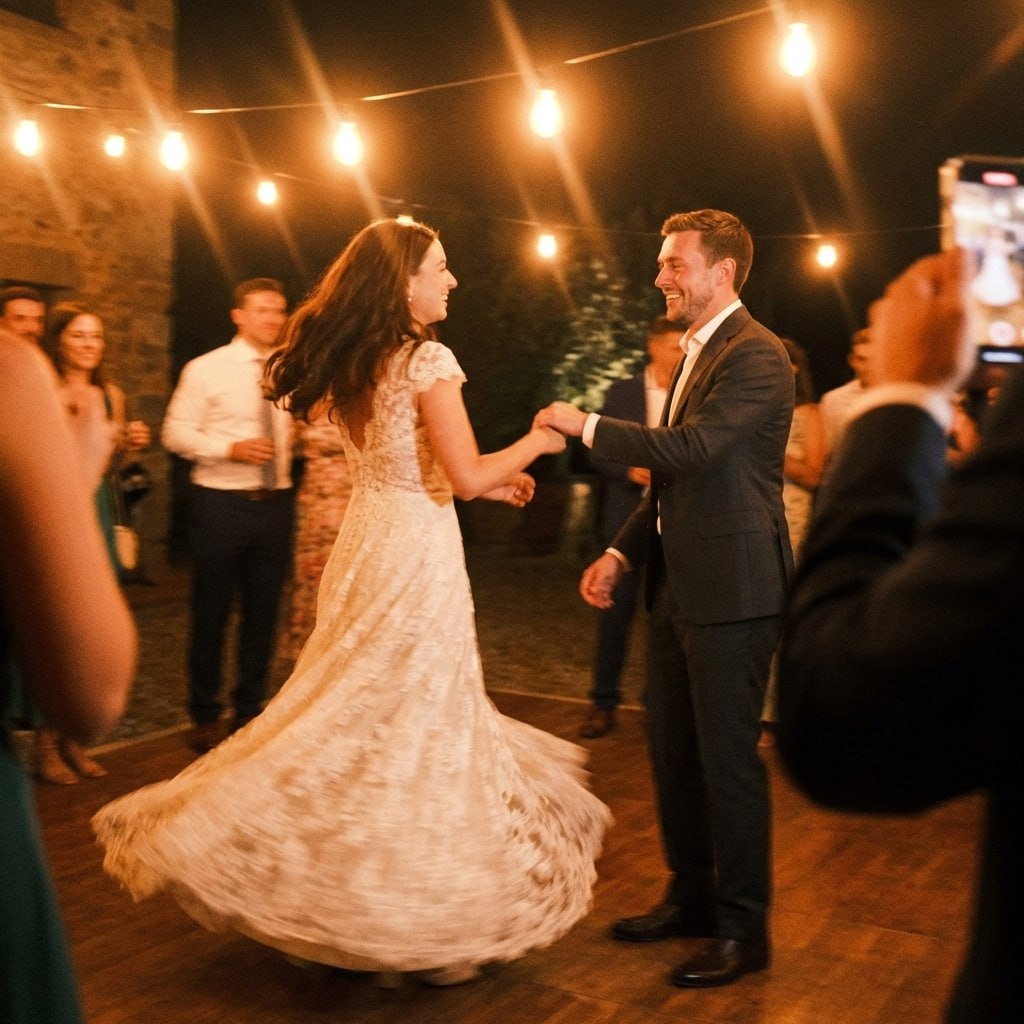
First dance
You guys!!
Short ceremony, long memory
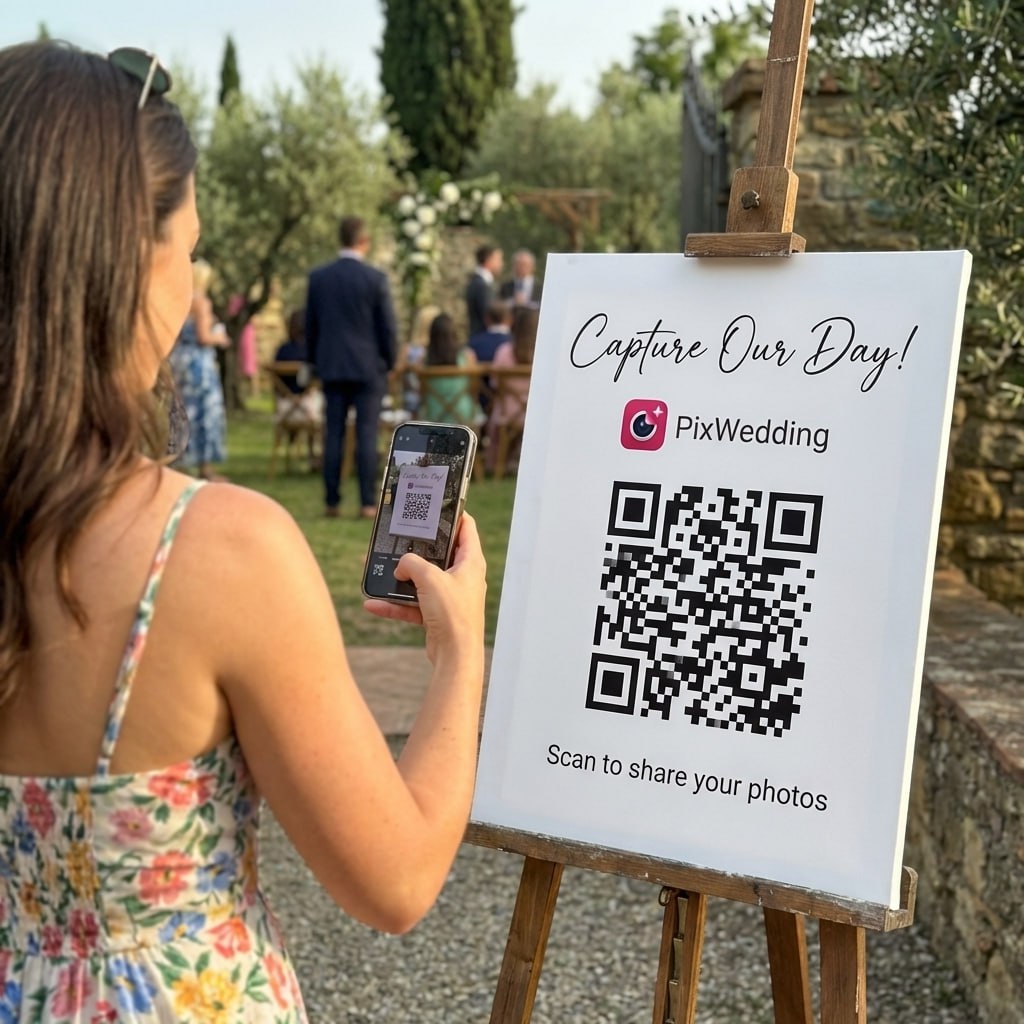
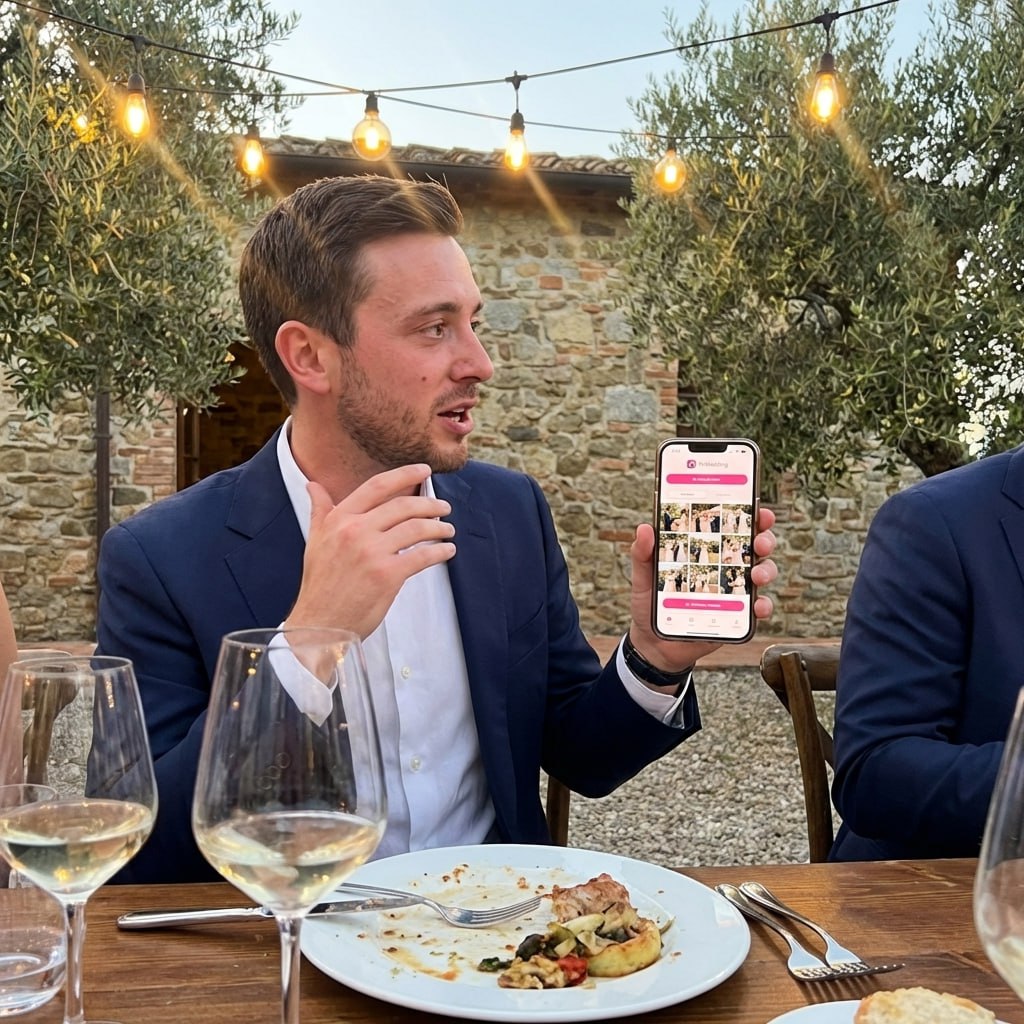
Whether your ceremony lasts 15 minutes or 3 hours, guests will want to share the photos they took. One QR code collects them all in a single album.

From Mom
Scan to join the album
No app, no account
UPLOADING
Saving your moment
THE ALBUM
Emma & Jack
June 21, 2026
647 photos · 95 guests


SCAN TO TRY
pix.wedding/
your-wedding
How to Rehearse for Your Ceremony Length
The single most effective tool for managing ceremony length is the rehearsal. Most couples are surprised to learn their ceremony runs 5-10 minutes longer at the actual event than it did in rehearsal, due to slower processional pace, emotional pauses, and larger bridal parties than anticipated.
Treat the rehearsal as a real timing exercise. Use a stopwatch. Time each segment. If the ceremony runs long in rehearsal, identify which segments are consuming the most time and brief those participants to be concise. A 10-minute homily that could be 5 minutes is the most common culprit.
- •Use a stopwatch during the full rehearsal run-through
- •Time each segment independently and note any that run over target
- •Brief the officiant after rehearsal with specific time feedback
- •Walk the processional at actual pace, not hurried rehearsal pace
Planning Your Ceremony Timeline
Knowing how long your ceremony will last is essential for planning the rest of your wedding day. Your photographer needs to know when to position for key moments. Your venue coordinator needs to prepare the cocktail hour space. Your guests need to know when they can expect to move from ceremony to celebration.
Most wedding planners recommend building a 15-minute buffer between your ceremony end time and the cocktail hour start time. This accounts for the recessional, family photos, and any delays. If your ceremony is at a separate location from your reception, add travel time plus that buffer.
- •Tell your officiant your target ceremony length during your first meeting
- •Time your full rehearsal and adjust if it runs too long or too short
- •Build a 15-minute buffer between ceremony end and cocktail hour start
- •Share the ceremony timeline with your photographer and DJ in advance
Short Ceremonies Are Not Less Meaningful
There is a common misconception that longer ceremonies are more meaningful. In reality, many of the most memorable ceremonies are under 20 minutes. A focused, personal ceremony with heartfelt vows can be far more impactful than an hour-long service with generic readings.
If you want a shorter ceremony, focus on quality over quantity. Write personal vows, choose one meaningful reading, and let your officiant keep their remarks brief but warm. Your guests will appreciate not standing in the sun for 45 minutes, and your photographer will get better candid shots when people are engaged rather than fidgeting.
Quick Reference: Ceremony Lengths at a Glance
Explore more free wedding tools
Everything you need to make your wedding day stress-free and unforgettable.
Seating Chart Planner
Plan your reception seating visually.
Guest List Manager
Track RSVPs and dietary needs.
Venues by State
Explore venues across all 50 states.
Countdown Timer
Count down the days to your big day.
Wedding Checklist
Month-by-month planning checklist.
Bachelorette Party Games
15+ games with rules, supplies, and timing.
Alternative to Wedding Guest Book
15 creative alternatives guests actually enjoy.
Wedding Menu Builder
Design and print your reception menu.
Wedding Ceremony Duration Questions
Everything you need to know about our free tools and how they help your wedding day.
The average wedding ceremony lasts 20 to 30 minutes for non-denominational and outdoor ceremonies. Religious ceremonies tend to be longer: Catholic ceremonies run 45-60 minutes with a full Mass, Jewish ceremonies are 30-45 minutes, and Hindu ceremonies can last 1-3 hours depending on which traditions are included.
A courthouse or civil ceremony typically lasts 15 to 30 minutes. The legal portion (declarations, vows, ring exchange, and signing the license) takes about 10 minutes. Some couples add personal touches like readings or personal vows that add another 5-15 minutes.
Not at all. A 15-minute ceremony can be deeply meaningful if it includes personal vows and a moment that reflects who you are as a couple. Many guests actually prefer shorter ceremonies, especially if they are standing outdoors. Quality of words matters more than quantity of minutes.
Personal wedding vows should be 1 to 2 minutes each, which is roughly 150 to 250 words. This gives you enough time to express your feelings without losing the audience. Practice reading your vows out loud with a timer before the big day.
Yes, unity ceremonies like sand pouring, candle lighting, or handfasting typically add 5 to 10 minutes. If your ceremony is already running long, consider skipping the unity ceremony or doing it during the reception instead.
Be direct and kind. During your planning meetings, say something like: We would love to keep the ceremony around 20 minutes. Most officiants are happy to adjust their remarks. Provide a written ceremony outline with time estimates for each section so everyone is on the same page.