
Documentary Wedding Photography: The Complete Guide
What the style actually means, how it differs from traditional and editorial photography, what it costs, and the exact questions to ask before you book.
The short answer
Documentary wedding photography means the photographer observes rather than directs, capturing the day as it happens instead of staging it. It has moved from a niche preference into the mainstream default for 2026, but nearly every documentary photographer still blocks time for family formals. Pricing follows the same hourly and coverage-based model as traditional photography, roughly $3,000 on average nationally. The main thing to verify before booking is where on the posed-to-candid spectrum a specific photographer actually sits, since the label gets used loosely.
Why this style took over in 2026
Sources: Zola's 2026 First Look Report, Zola's documentary photography guide, and The Knot's Real Weddings Study. We describe the documentary-style preference qualitatively because, while wedding-industry sources cite a specific figure referencing Zola's 2026 dataset, that exact percentage does not appear on Zola's own published report page.
What both sources agree on without qualification: documentary-style photography sits firmly in the mainstream for 2026, and the era of assuming every couple wants a fully staged, portrait-driven gallery is over.
The posed-to-candid spectrum, explained
"Documentary," "photojournalistic," and "candid" get used loosely and interchangeably in photographer marketing. In practice, most wedding photography sits somewhere on a spectrum.
Traditional / Posed
The couple and guests are actively directed: 'look here, closer together, smile.' Portraits are composed and staged, lighting is controlled, and most of the gallery is built around planned shots.
Most of the day is directed
Editorial
The photographer adjusts positioning and light for a more polished look while keeping an emotional, storytelling feel. Sits between fully posed and fully candid.
A blend, moderate direction
Documentary / Photojournalistic
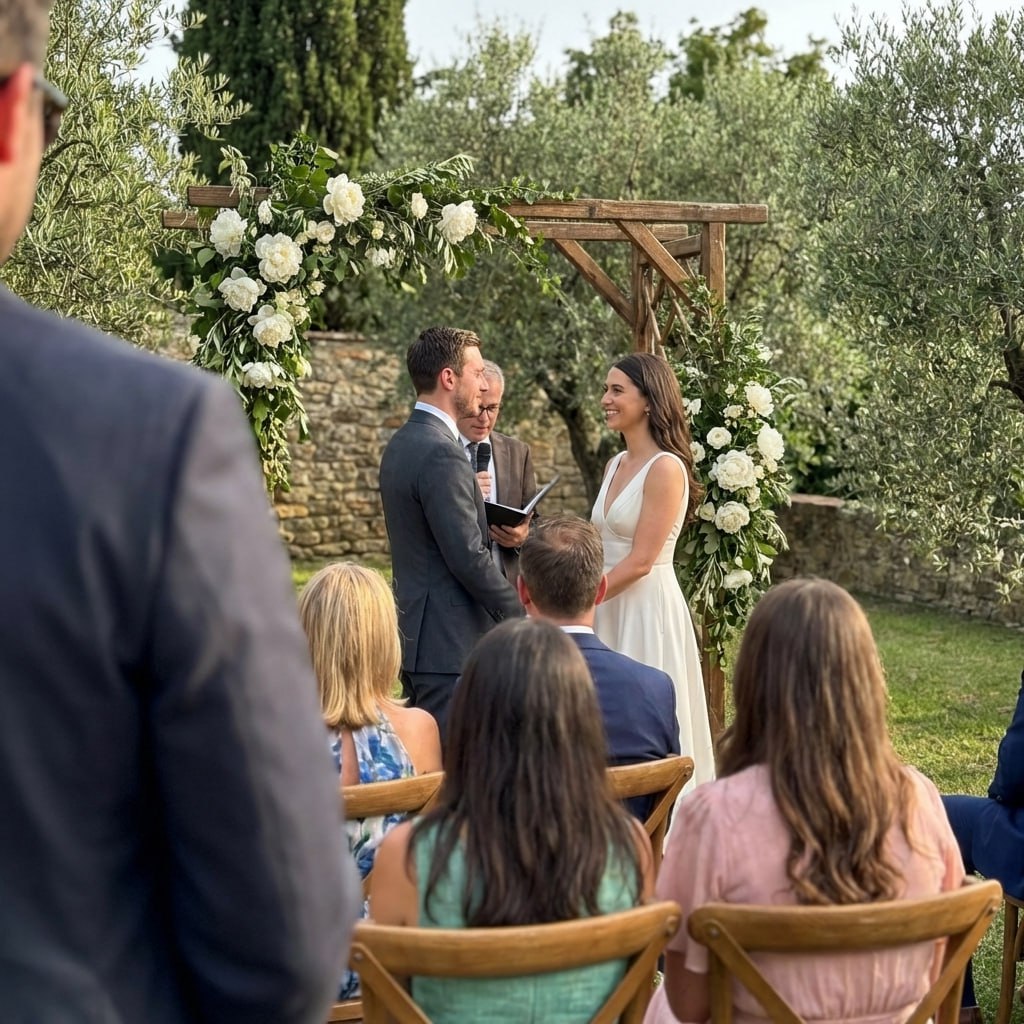
The photographer acts as an observer, staying out of the way and capturing the day as it actually happens, including imperfect lighting and unscripted expressions.
Mostly candid, minimal direction
Documentary vs. traditional, side by side
| Aspect | Documentary style | Traditional style |
|---|---|---|
| Direction level | Minimal, mostly hands-off | High, actively posed and staged |
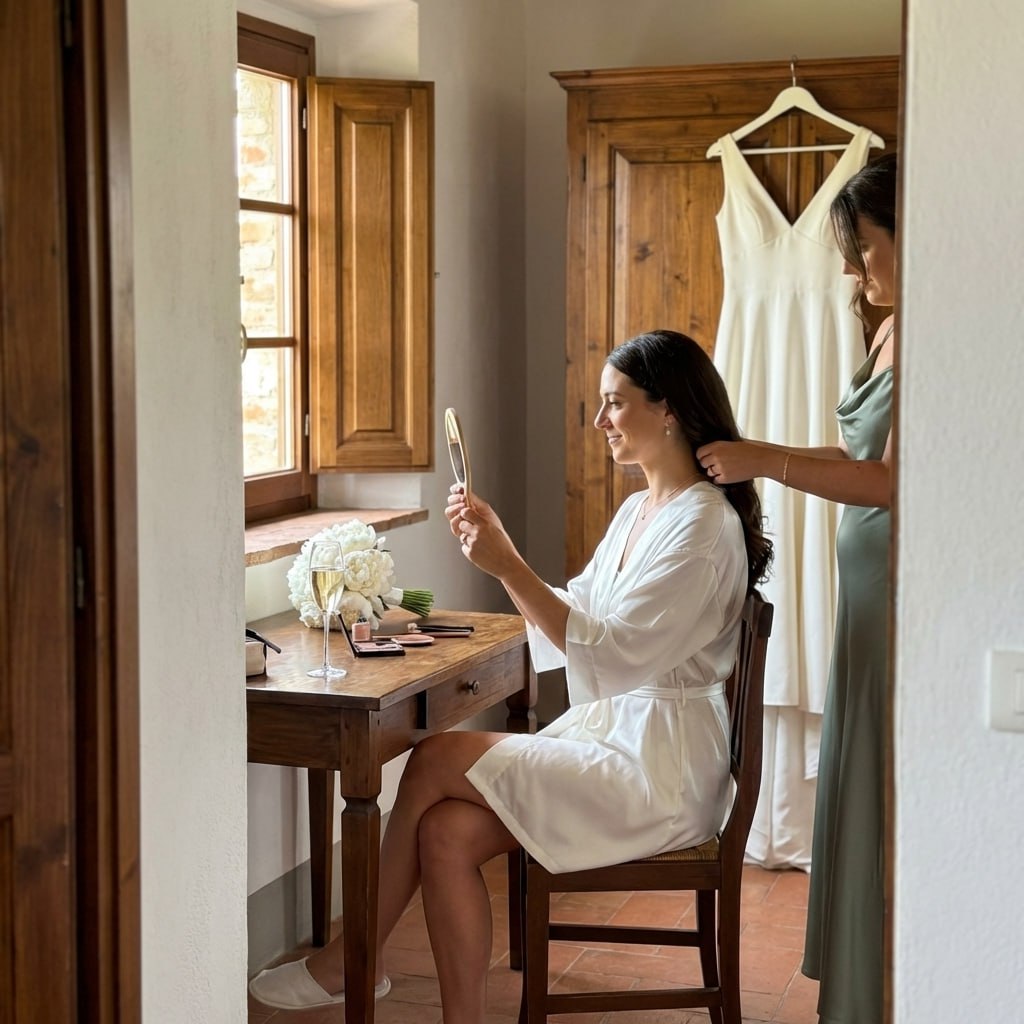
| Getting-ready coverage | Fly-on-the-wall, natural interactions | Often includes staged detail shots and posed moments |
| Ceremony coverage | Fully observational, no direction | Fully observational as well, style differences show up less here |
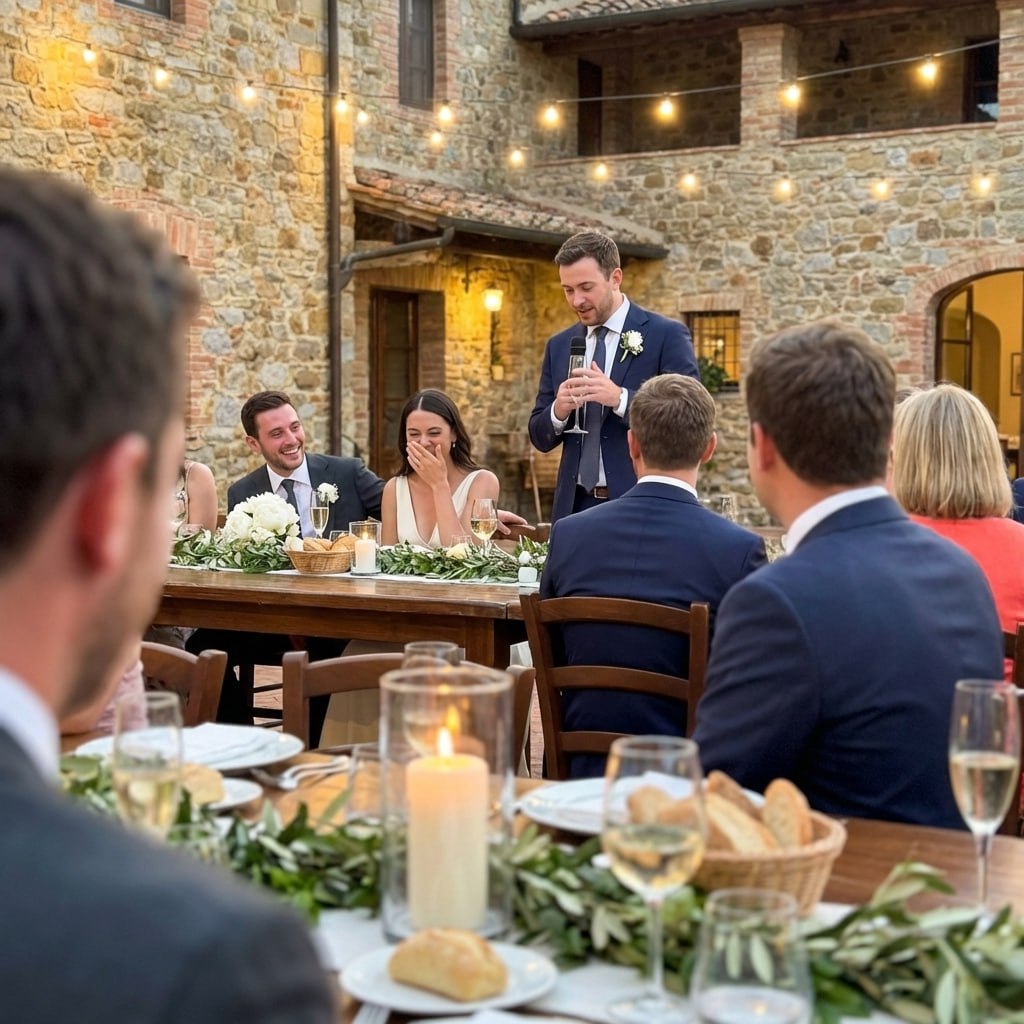
| Reception coverage | Candid reactions, dancing, toasts as they happen | Mix of candid and directed group shots |
| Family formals | Still scheduled, typically 20 to 30 minutes | Often a longer, more detailed block with more combinations |
| Editing style | Natural color, minimal retouching | Often more retouching and color grading toward a polished look |
| Typical gallery feel | Reads like a story of the day | Reads like a curated portrait collection |
An illustrative example: how the spectrum question changes a booking decision
For context, not a real couple.
Consider a couple choosing between two photographers who both use the word 'documentary' in their marketing. The first shows only a curated 40-image portfolio, all posed, all eye contact with the camera. The second sends over two full, unedited wedding galleries on request, each running 600-plus images, with maybe 15 posed shots total and the rest candid. Asking for full galleries before booking is what surfaces this difference; the marketing language alone would not have.
Is documentary style right for your wedding?
Lean documentary if
- You want a gallery that reads as an honest record of the day, not a curated highlight reel
- You and your partner are camera-shy or find posed portrait sessions stressful
- Your wedding has a lot of built-in personality, big families, loud reactions, inside jokes, that would be flattened by heavy posing
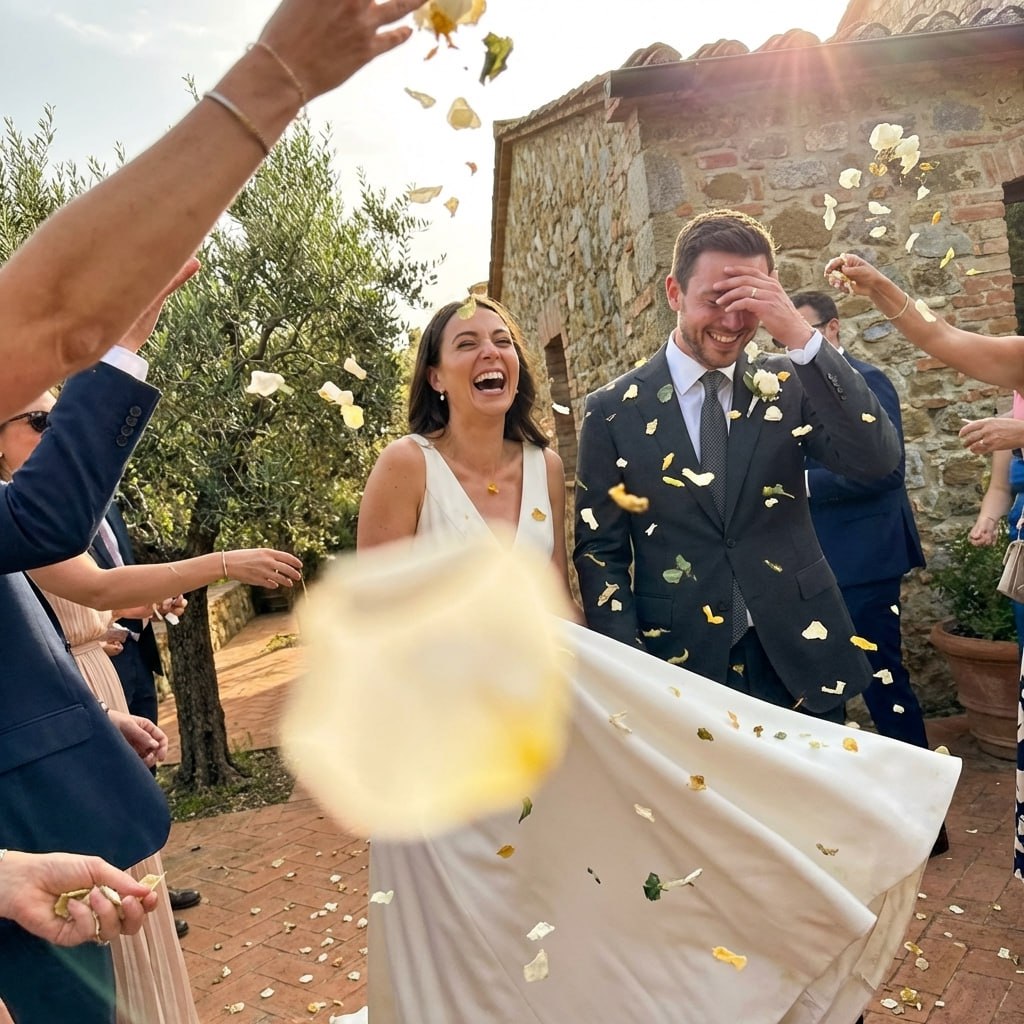
- You are drawn to galleries where guests are laughing mid-sentence rather than smiling on cue
Lean traditional or editorial if
- You specifically want polished, magazine-style portraits as the centerpiece of your gallery
- You have a formal, traditional ceremony where staged group portraits are a cultural expectation
- You want heavy creative direction and styled shots (dramatic backlighting, specific poses) built around a shot list
- You are uncomfortable with a photographer being present but unobtrusive throughout private moments like getting ready
The real tension: documentary style vs. a shot list
Couples booking a documentary photographer sometimes assume a shot list is unnecessary or even contradictory to the style. In practice, the two work together. A documentary photographer isn't planning to pose 40 specific combinations of people, but they still benefit from knowing which unposed moments matter most to you, the walk down the aisle, the first look between a parent and the couple, a specific guest who traveled a long way to be there.
This is where a shot list tool still earns its place even on a fully documentary-style wedding day: not as a posing script, but as a priority map so nothing genuinely important gets missed while the photographer stays hands-off everywhere else. Our own free wedding photo shot list generator is built for exactly this, a checklist of must-have moments you can hand to any photographer, documentary or traditional, without dictating how they shoot.
Try the free wedding photo shot list generatorQuestions to ask before you book
"Documentary" and "photojournalistic" are unregulated marketing terms. These questions separate photographers who genuinely shoot this way from photographers who use the label loosely.
- Can I see two or three full wedding galleries, not just your curated portfolio highlights?
- What percentage of my gallery will be posed versus candid, roughly?
- How do you handle family formals within a documentary approach, how long does that block typically take?
- Do you direct at all during the reception, or is that portion fully hands-off?
- How do you handle low light during the reception, do you use flash, and what does that look like in past galleries?
- What is your approach if a moment happens and you are on the other side of the room?
- How many images do I typically receive in a full gallery, and how are they culled?
- Do you shoot with a second photographer, and if so, how do you split coverage during key moments?
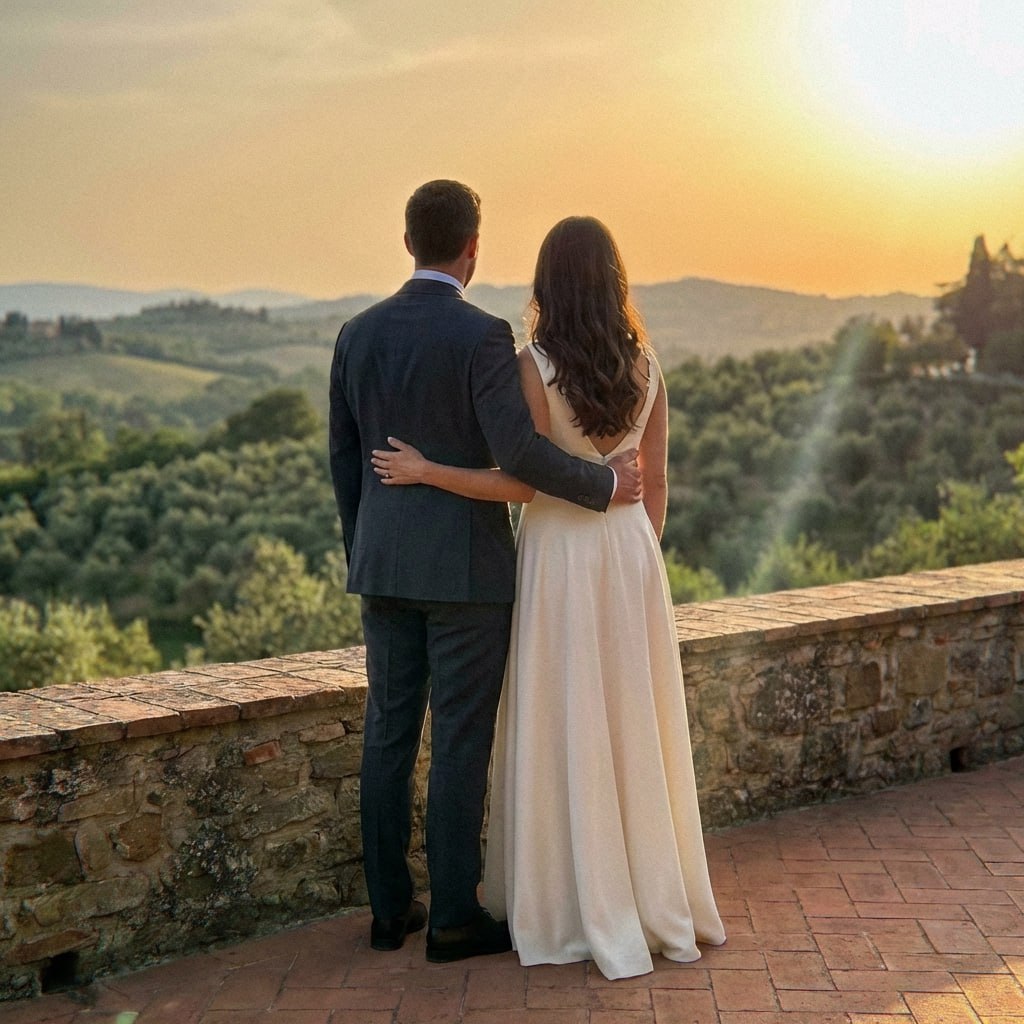
From the crowd
Caught it anyway
Your photographer captures the day. Your guests catch what they can't.
A free QR code on the tables collects every guest's candid the moment it happens, so the whole record isn't limited to one camera angle.
From a guest
Scan to join the album
No app, no account
UPLOADING
Saving your moment
THE ALBUM
Emma & Jack
June 21, 2026
647 photos · 95 guests
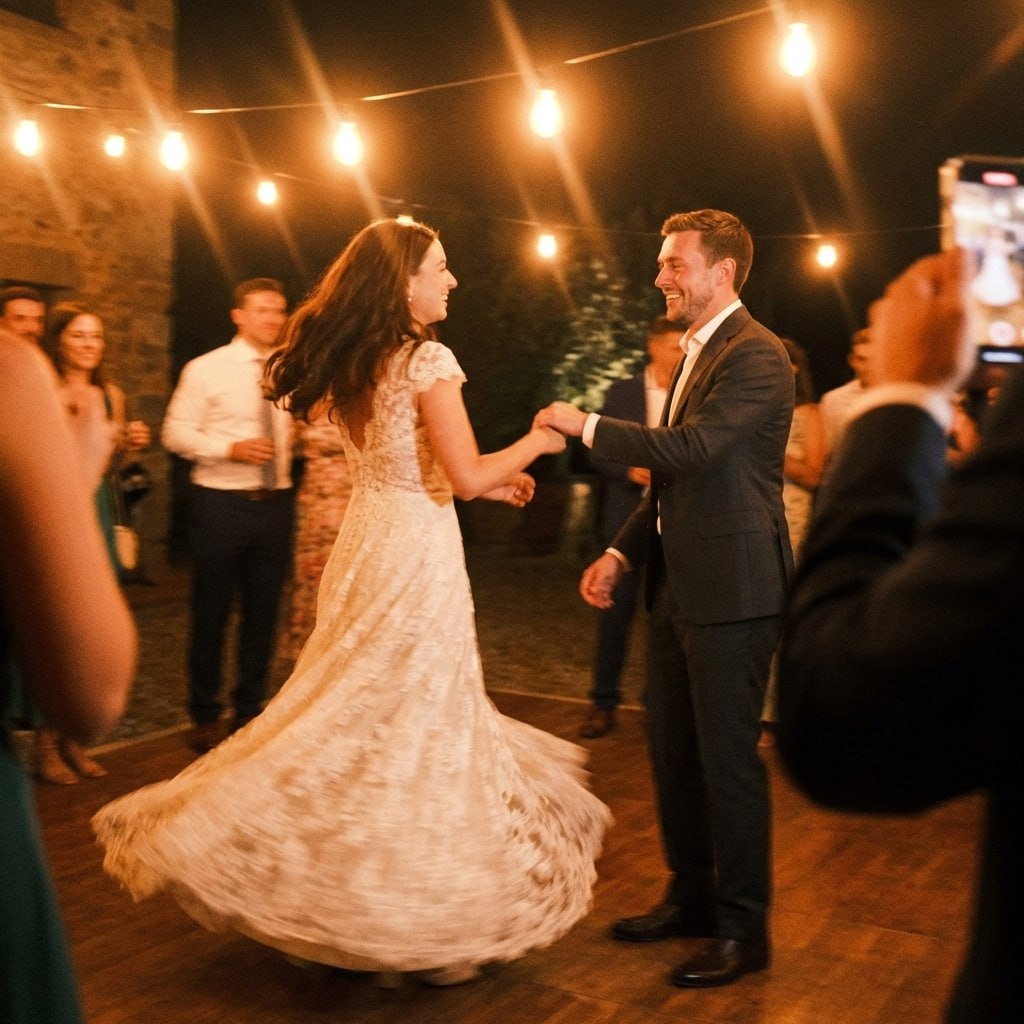
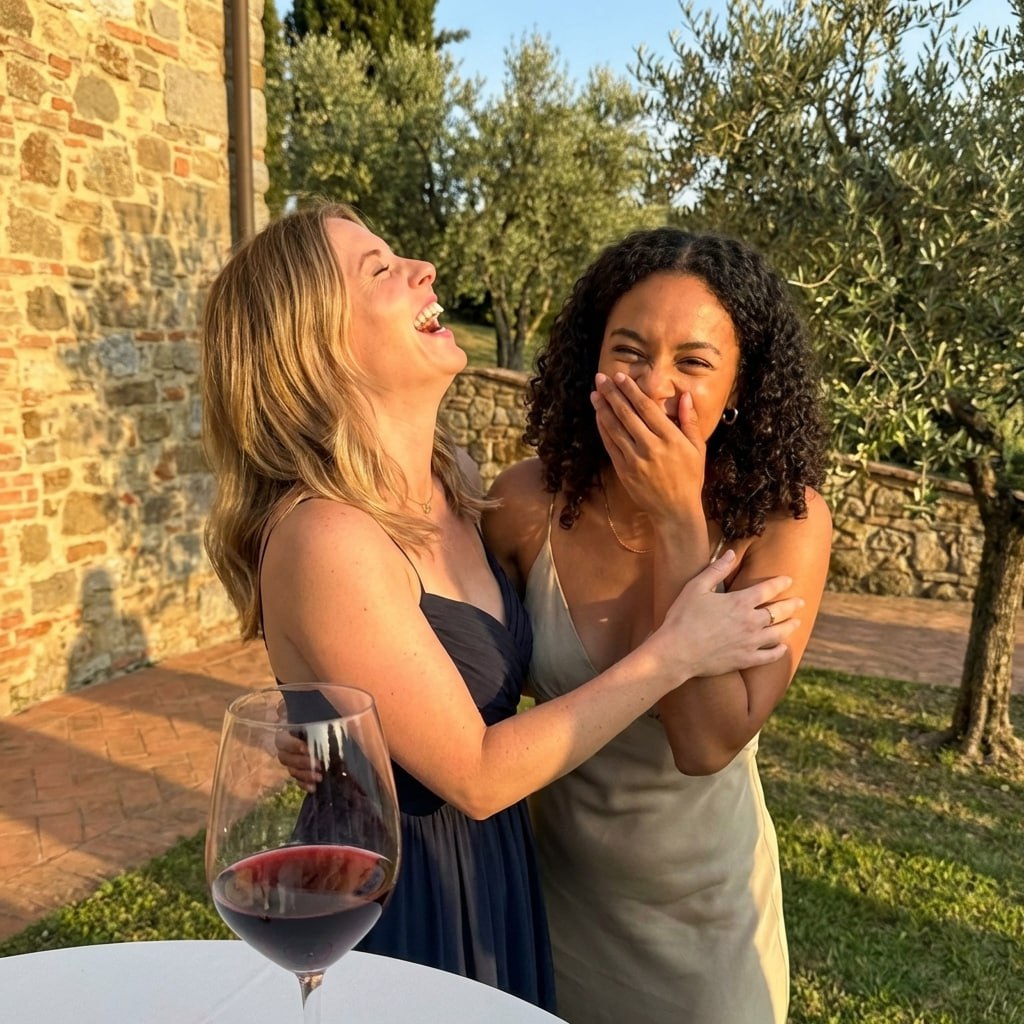
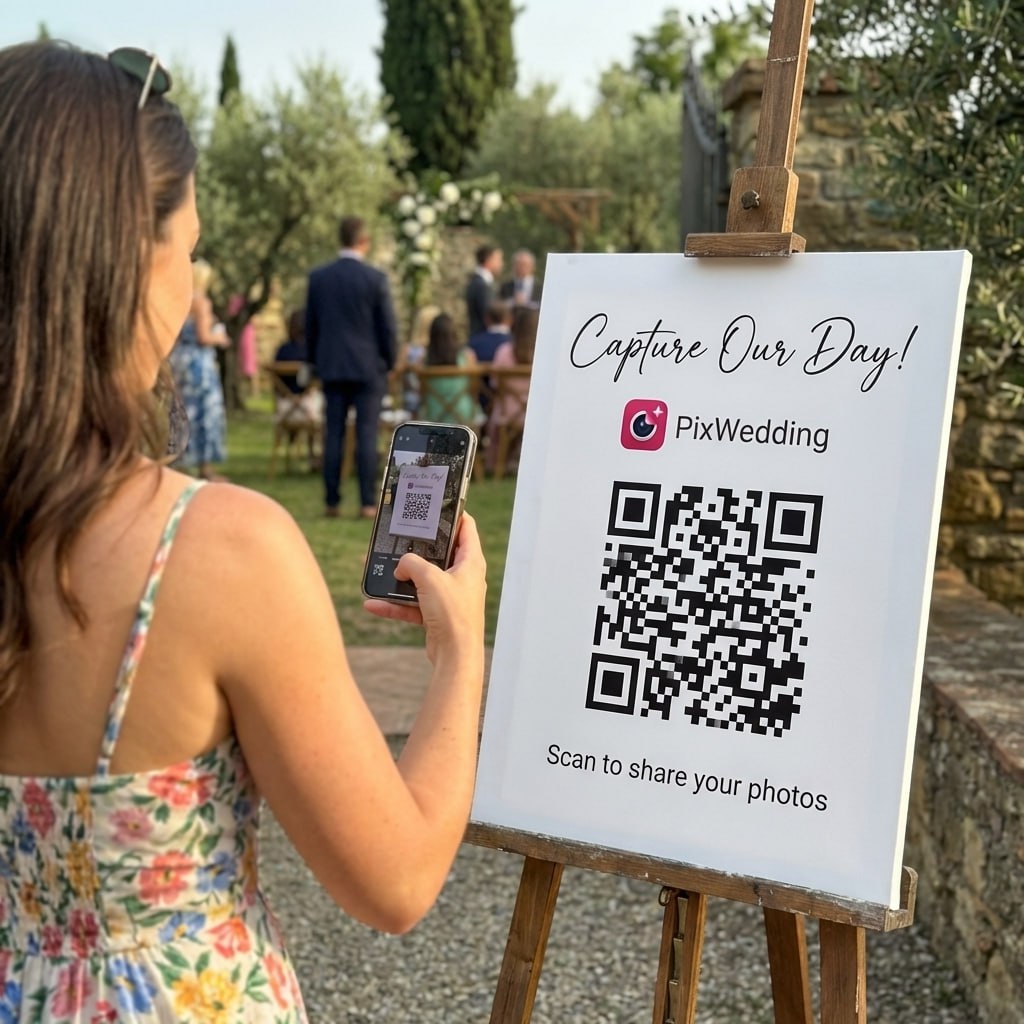
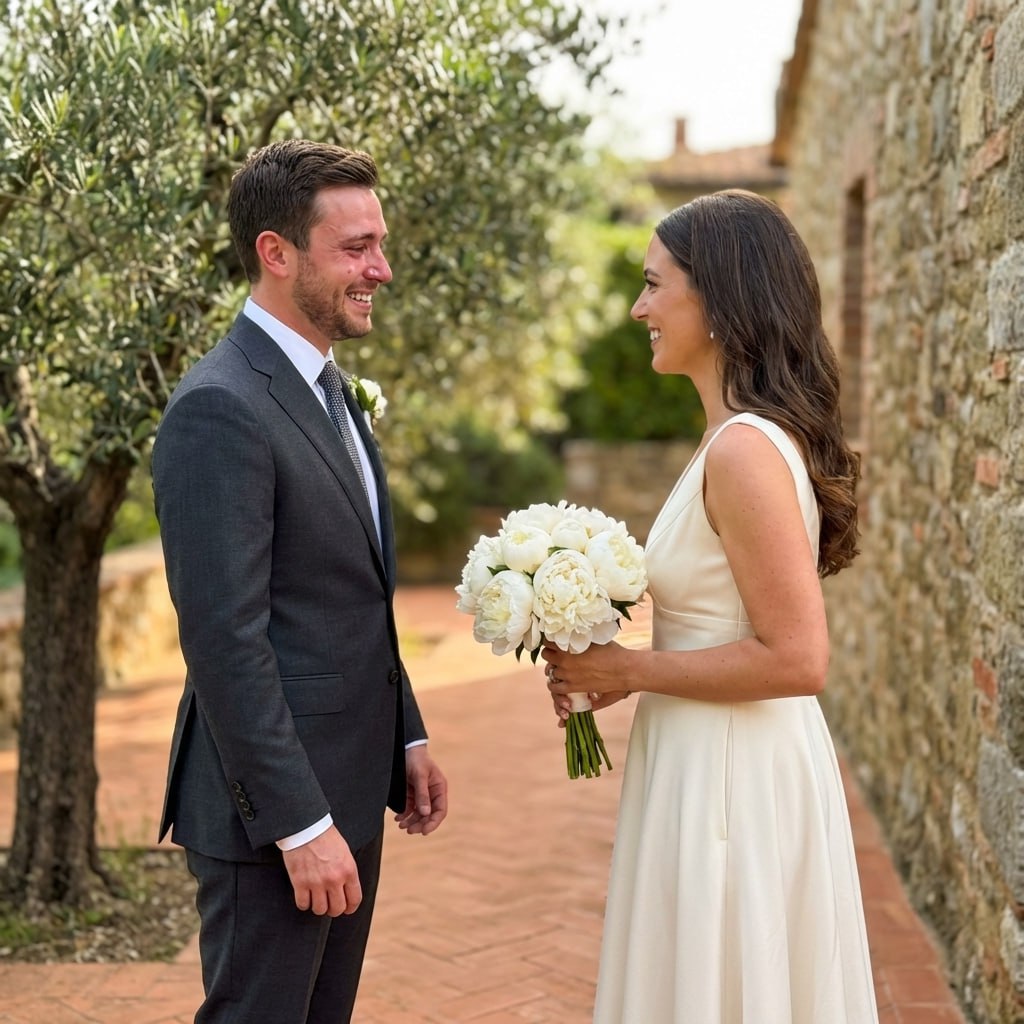
SCAN TO TRY
pix.wedding/
your-wedding
Guest candids complete the record a single photographer can't
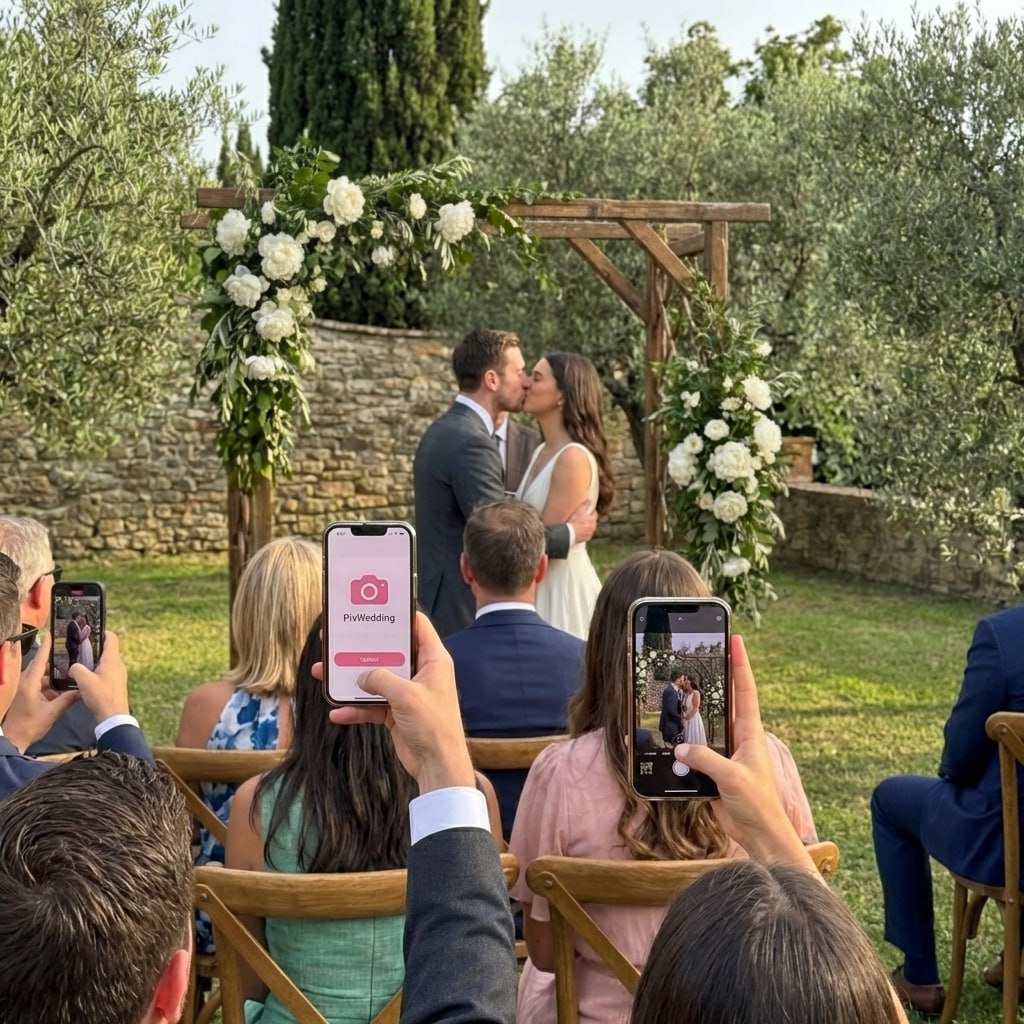
Even the best documentary photographer is one person with one camera. They can't be behind the couple during the ceremony and in the crowd catching a best friend's reaction at the same time. Guest phones fill exactly that gap, not as a replacement for professional coverage, but as a second and third and fortieth vantage point on the same day.
A free QR code on the tables and a link on the wedding website means every guest's phone photo, the ones taken from across the dance floor, mid-toast, in the parking lot after, lands in one shared album instead of scattered across group texts and disappearing Instagram stories. It's the same documentary instinct as the hired photographer's approach, just with more eyes on the room.
How to spot genuine documentary work in a portfolio
Run through this checklist while reviewing full galleries, not just highlight reels.
What documentary coverage actually costs
Documentary style is not priced separately from traditional photography, the same hourly and coverage-based model applies. Here is the national breakdown by region and guest count.
| Region | Average cost |
|---|---|
| Mid-Atlantic | $3,800 |
| Northeast / New England | $3,700 |
| Midwest | $2,900 |
| West | $2,900 |
| South / Southeast | $2,700 |
| Southwest | $2,600 |
| Guest count | Average cost |
|---|---|
| 1 to 50 guests | $2,000 |
| 51 to 100 guests | $2,700 |
| 101+ guests | $3,500 |
Source: The Knot Real Weddings Study, based on 10,474 US couples married in 2025.
Booking-to-gallery timeline
Booking (9 to 12 months out)
Ask the spectrum questions above and request full galleries. Confirm coverage hours and whether a second shooter is included.
1 to 2 months out
Share a short priority list (not a posing script) of must-have people and moments, plus any cultural or religious ceremony elements requiring specific staged shots.
Week of the wedding
Confirm the family formals timing block with your photographer and coordinate who needs to be present and when.
Wedding day
Let the photographer work; resist the urge to direct extra posed shots mid-day, that undercuts the documentary approach you booked.
After the wedding
Galleries typically arrive 4 to 8 weeks later. Cross-reference against any guest-submitted photos to fill gaps the photographer's single vantage point missed.
Common mistakes when booking documentary coverage
1. Booking based on a highlight reel alone
A portfolio of 30 best-ever shots tells you almost nothing about consistency across an 8-hour day. Ask for full galleries before booking.
2. Assuming documentary means zero direction, ever
Nearly every documentary photographer still blocks time for family formals and couple portraits. Confirm this upfront so no one is surprised on the day.
3. Not clarifying reception lighting expectations
Documentary photographers vary widely in how they handle flash and low light at the reception. Mismatched expectations here are one of the most common post-wedding disappointments.
4. Skipping the shot list conversation entirely
Even a documentary photographer benefits from knowing who the must-have people are (an ill grandparent, an estranged sibling attending) so nothing critical is missed while staying hands-off everywhere else.
5. Assuming one camera can be everywhere at once
A single photographer physically cannot capture both the groom's reaction and the bride walking down the aisle from two different angles. This gap is exactly what a wider net of guest phone photos fills in.
Photography style terms, in one sentence each
Documentary style
A candid, observational approach where the photographer captures the day as it unfolds rather than directing it.
Photojournalism
The most hands-off end of the candid spectrum, embracing imperfect light and zero posing, closest to news-style reporting.
Editorial
A blend where the photographer adjusts light and positioning for a polished look while preserving an in-the-moment feel.
Fly on the wall
A common shorthand for a documentary photographer's role, present in the room but not directing what happens in it.
Family formals
The block of posed group portraits (immediate family, wedding party) that most documentary photographers still schedule.
Second shooter
A second photographer covering a different angle or location simultaneously, common on documentary-style weddings to widen coverage.
A few more things couples ask
Can I mix documentary style with a few styled portraits, like golden hour shots?
Yes, this is extremely common and not a contradiction. Most couples book a documentary photographer for 90 percent of the day and still carve out 15 to 20 minutes for a styled couple portrait session during golden hour.
Does documentary style work for a large, formal wedding?
Yes. Family formals and any cultural or religious ceremony traditions requiring specific staged shots (a formal recessional, a traditional tea ceremony) still get covered; the documentary approach applies to everything outside those set pieces.
Should I still make a shot list if I book a documentary photographer?
A short priority list is still worth making, not as a posing script but as a heads-up on who and what genuinely matters (an ill grandparent, an estranged sibling attending, a family heirloom). It keeps the photographer's attention pointed at what would be hardest to lose without directing how they shoot.
Keep planning
More photo planning tools and guides.
Why documentary style moved from niche to mainstream
For most of the last two decades, wedding photography defaulted to a posed, directed style: a shot list of formal portraits, staged first looks, and couples told exactly where to stand and how to smile. Documentary style flips that default. The photographer's job shifts from director to observer, and the resulting gallery reads less like a portrait session and more like a record of what actually happened.
Zola's 2026 First Look Report, based on more than 11,500 couples getting married in 2026, named documentary-style photography 'firmly in' and described it as a genuinely cross-generational trend, not a Gen Z-only preference. The shift lines up with a broader move away from performative, camera-aware wedding content toward galleries that hold up as an honest record for the couple, not just a highlight reel for guests.
The trade-off no one mentions: documentary style needs more raw material, not less
Because a documentary photographer isn't manufacturing moments, they're waiting for them, and a single professional camera can only be in one place at a time. The best documentary galleries tend to draw on a wider net of raw material: a professional's coverage of the moments they were positioned to catch, plus whatever guests captured from angles the photographer physically couldn't reach, like the groom's reaction from across the room or the in-jokes at the reception table.
This is exactly where a free guest photo tool earns its place next to a documentary photographer rather than competing with one. It's not a replacement for professional coverage; it's a wider net for the same documentary instinct, catching the moments the hired photographer simply couldn't be standing in front of at the same time.
Explore more free wedding tools
Everything you need to make your wedding day stress-free and unforgettable.
QR Sticker Designer
Design custom print-ready stickers.
Hashtag Generator
Create unique wedding hashtags.
How to Collect Guest Photos
5 methods ranked by participation rate and ease.
Share Wedding Photos with Guests
Compare every sharing platform by ease and participation.
Best Way to Get Guest Photos
The single method with the highest participation rate.
How to Make a Shared Wedding Album
Step-by-step setup for every platform.
Alternative to Disposable Cameras
Better, cheaper options than disposable cameras.
Alternative to Wedding Photo Booth
5 cheaper alternatives to a $1,000+ photo booth rental.
Documentary wedding photography, answered
Straight answers to the questions people ask most about this topic.
Documentary wedding photography is a candid, journalistic approach where the photographer acts as an observer rather than a director, capturing real moments as they unfold instead of posing the couple and guests for staged shots.
Documentary style was named 'firmly in' for 2026 in Zola's First Look Report, a survey of over 11,500 couples, which describes it as a cross-generational trend. Wedding-industry sources referencing that same Zola dataset describe most couples now preferring natural, unposed, documentary-style photography over traditional posed portraiture. We keep this qualitative because an exact percentage does not appear verbatim on Zola's own published report page.
They overlap heavily and are often used interchangeably, but photojournalism sits at the most hands-off end of the spectrum, embracing imperfect lighting and zero direction, while documentary style can include a small number of gently arranged moments (like walking the couple to better light) without fully posing them. Editorial style sits further along the spectrum still, with more photographer input while keeping an emotional, in-the-moment feel.
Yes, almost always. Most documentary photographers still block 20 to 30 minutes for family formals and couple portraits; the documentary label describes how they shoot the remaining 90 percent of the day (getting ready, ceremony, reception), not a refusal to ever direct a shot.
Documentary and photojournalistic coverage is priced the same way traditional coverage is, by hours and deliverables, not by style label. The Knot's Real Weddings Study, based on 10,474 US couples married in 2025, puts the national average wedding photographer cost at $3,000, with a typical range of roughly $1,500 to $4,700 depending on region, guest count, and hours of coverage.
Ask to see two or three full, unedited (or lightly culled) wedding galleries rather than a curated highlight reel, ask how they handle family formals within a documentary approach, and ask directly what percentage of the day is posed versus candid. A portfolio full of eye-contact, posed shots with only a few candid images mixed in is a sign the photographer markets documentary style without shooting it consistently.