
Speakeasy Wedding Theme: The Full 2026 Planning Guide
Entrance reveals, jazz and candlelight, a real cocktail program, password invitations, and what to do about the lighting once the party actually starts.
A speakeasy wedding theme is built on four things: a hidden or unmarked entrance guests have to be let into, low warm lighting from candles and small fixtures instead of a bright ballroom, live or recorded jazz, and a curated cocktail menu in place of a standard open bar. It borrows its look and ritual from Prohibition-era hidden bars, and it can apply to a whole wedding, or just the reception and after-party.
Speakeasy venues are a named 2026 wedding trend, not a niche idea
Pinterest's official 2026 Wedding Trends Report measured actual search behavior on its platform, not a stylist opinion poll.
Both figures sit inside a wider theme the report calls out directly: couples choosing venues that feel "transportive, immersive and instantly photogenic" over a default hotel ballroom. A speakeasy setup checks all three boxes at once, which is likely why it is showing up in the data alongside jazz clubs and other nightlife-inspired settings.
Four things that make a wedding read as "speakeasy," not just "dark and moody"
The entrance reveal
An unmarked door, a bookshelf, a curtain, or simply a plain hallway guests pass through before the room opens up. This is the single detail guests remember and talk about after.
Jazz, live or recorded
A trio or soloist during cocktail hour, or a well-built swing and jazz standards playlist if live music is out of budget. The tempo should climb through the night, not stay flat.
A real cocktail program
A short curated list of classic cocktails (an Old Fashioned, a Sidecar, a French 75) made properly, rather than a generic open bar with a long liquor list nobody reads.
Candlelight over ceiling lights
Low, warm, uneven lighting from candles, small table lamps, or a single glowing bar sign. This is what gives the room its intimate, secretive feel, and it is also the detail that most affects photos.
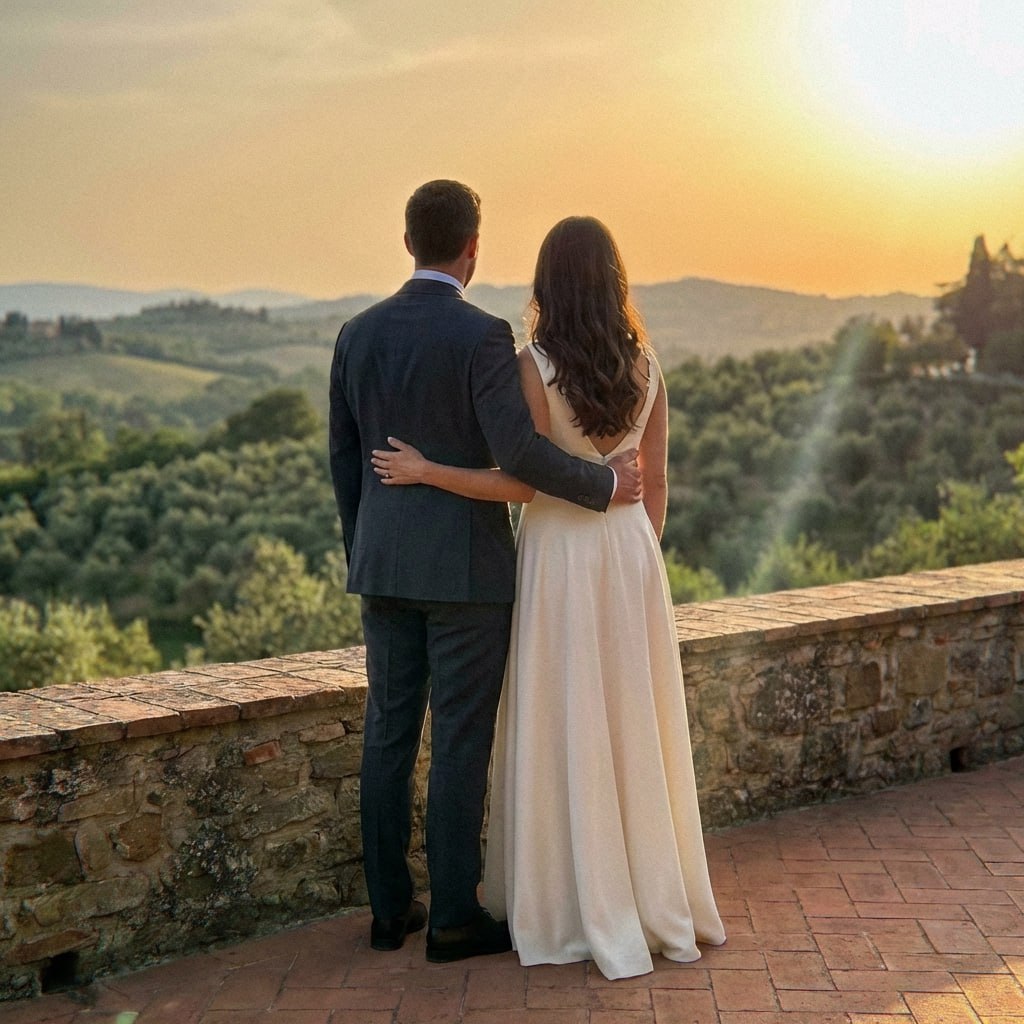
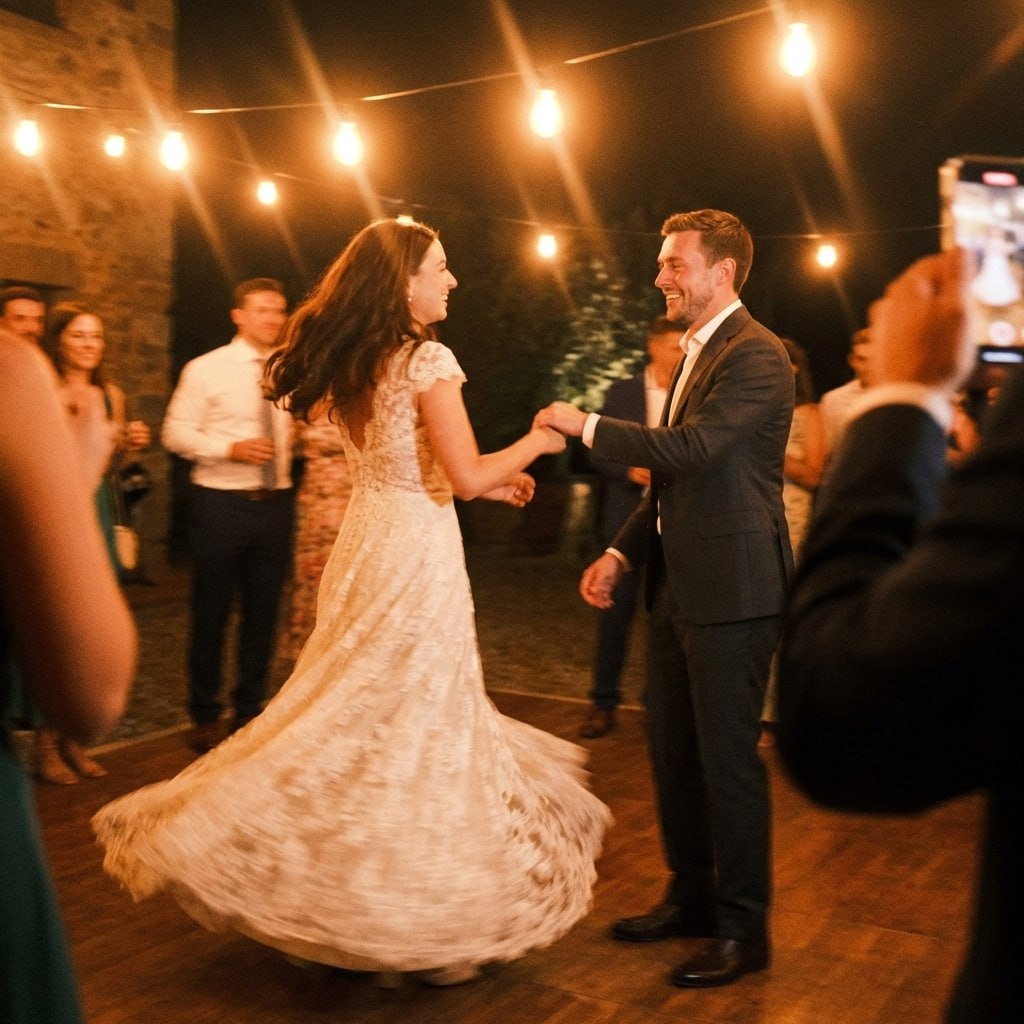
First dance
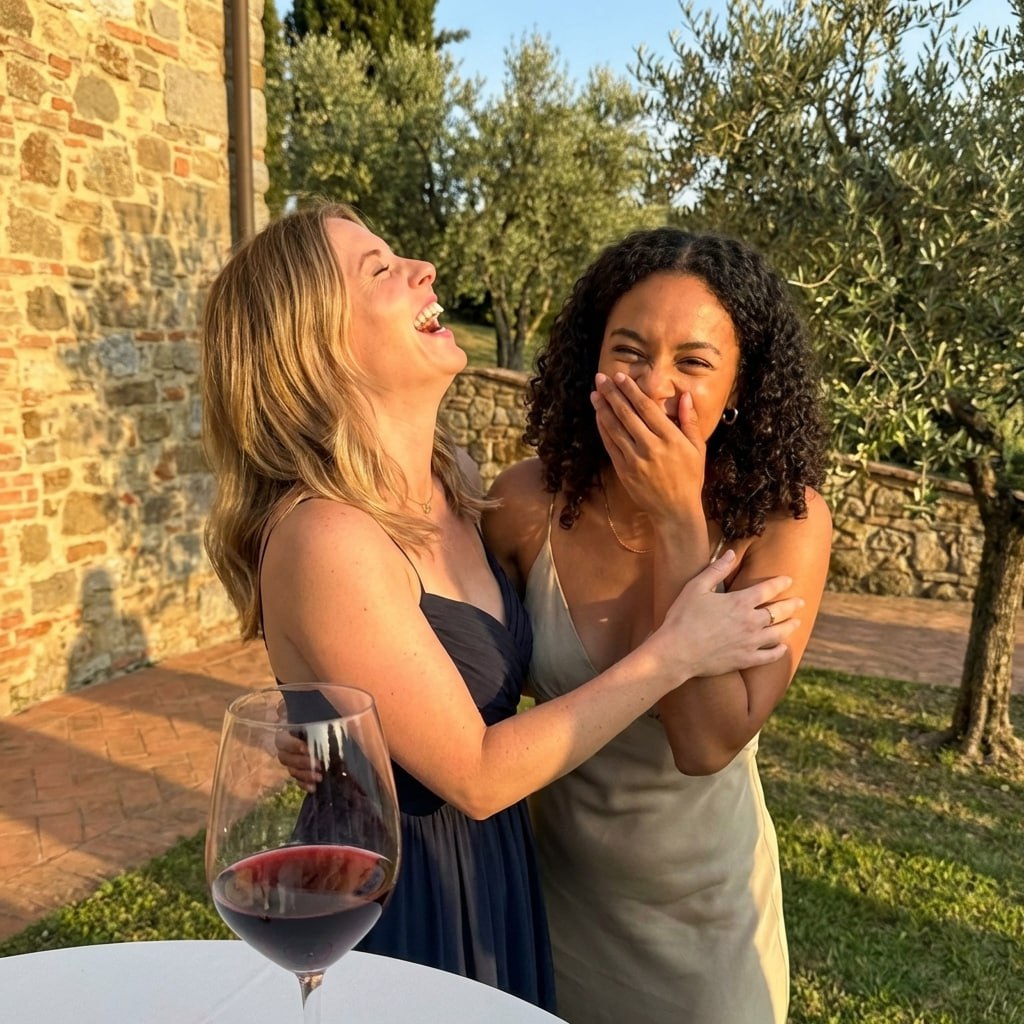
You guys!!
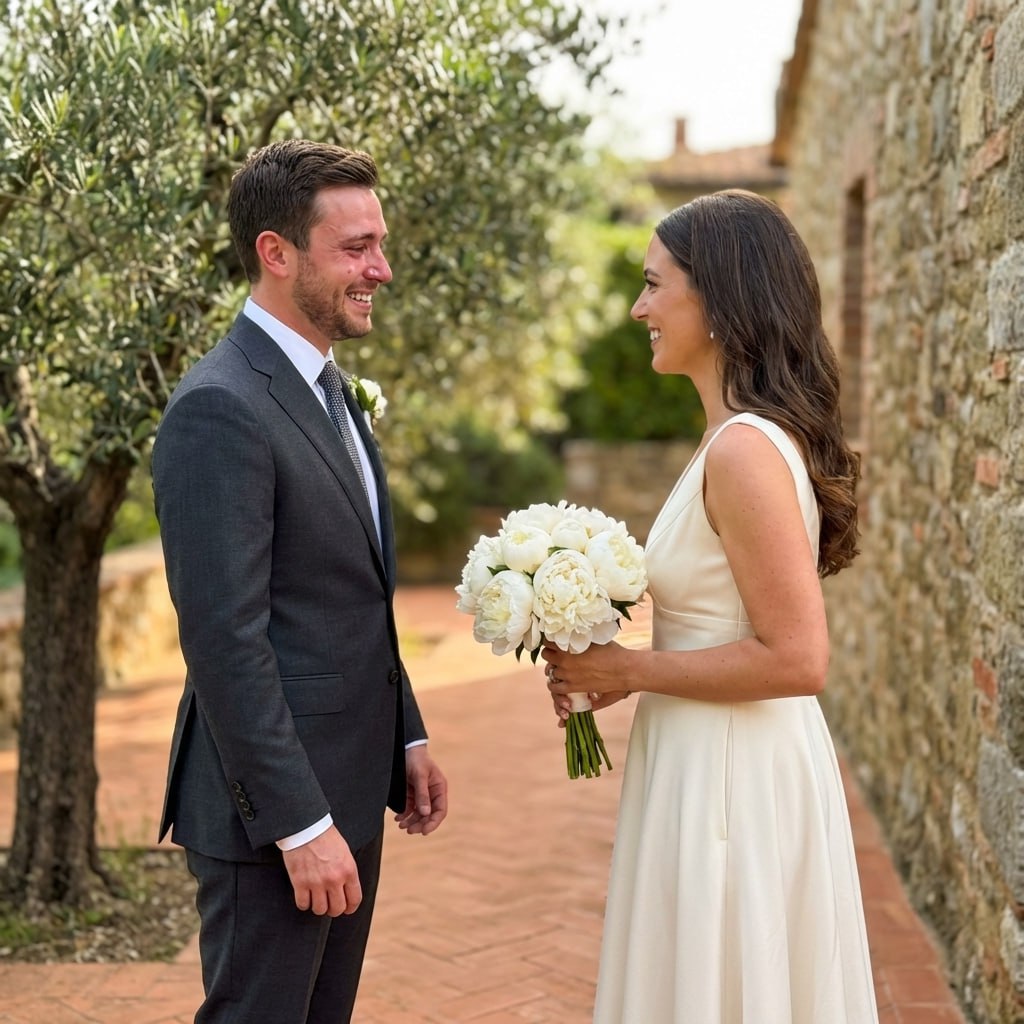
The candlelit shots are the ones guests will actually keep
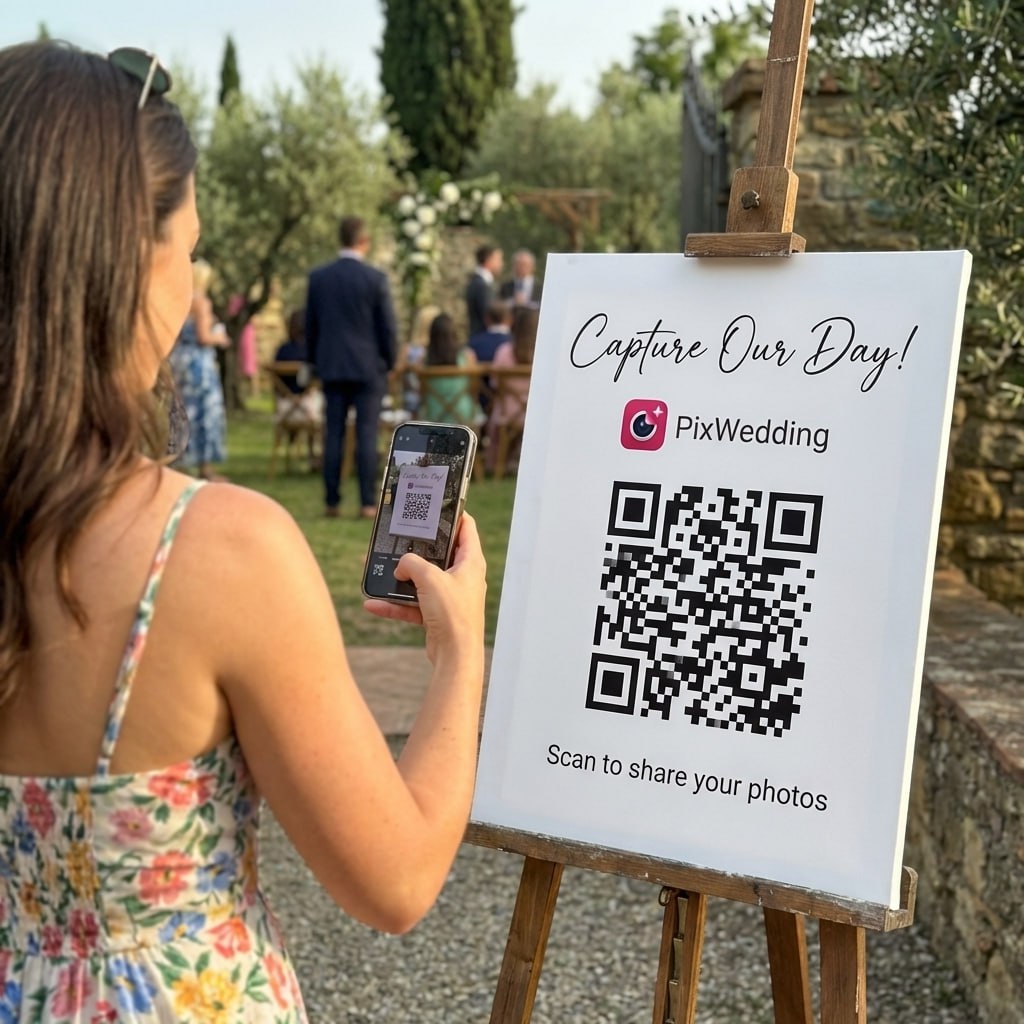
A QR code on the bar sign or password card collects every low-light candid from every phone in the room, no app download, no waiting for one photographer to circulate.
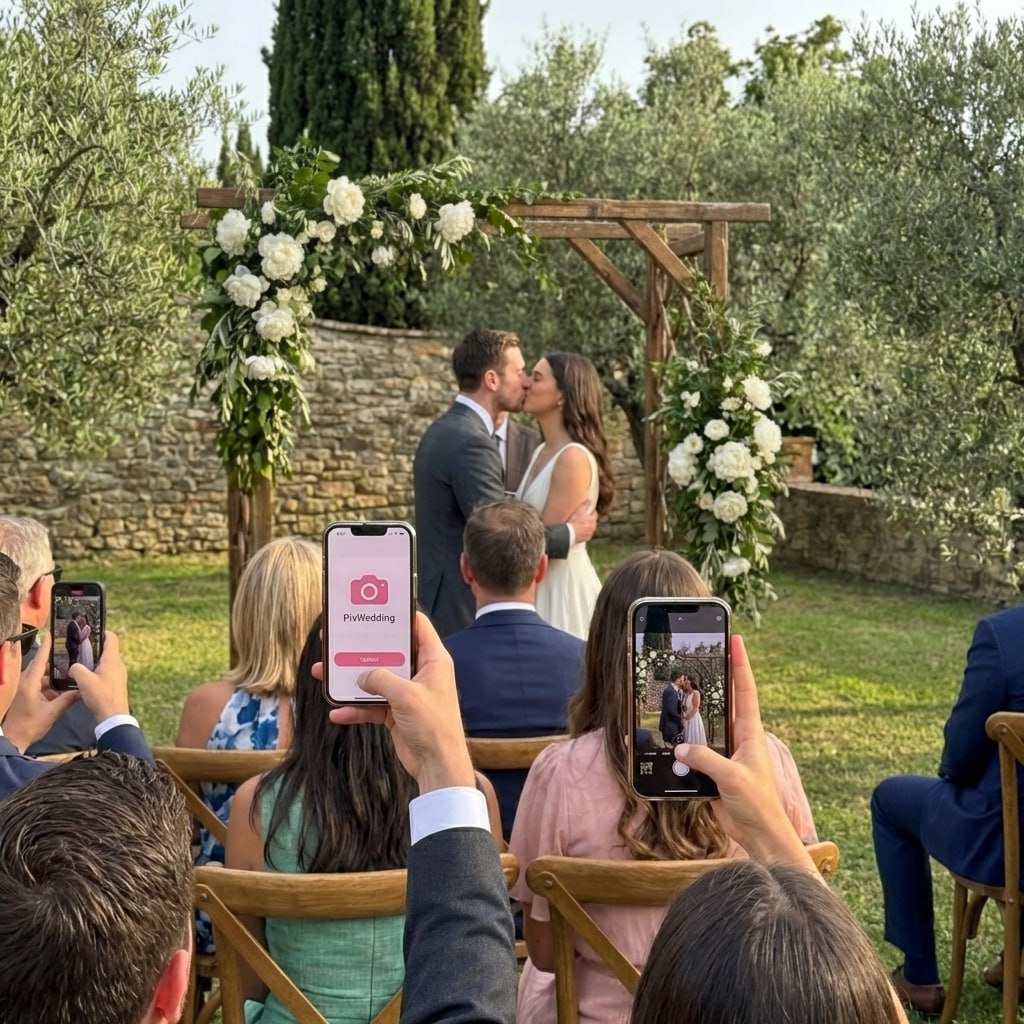
From Mom
Scan to join the album
No app, no account
UPLOADING
Saving your moment
THE ALBUM
Emma & Jack
June 21, 2026
647 photos · 95 guests
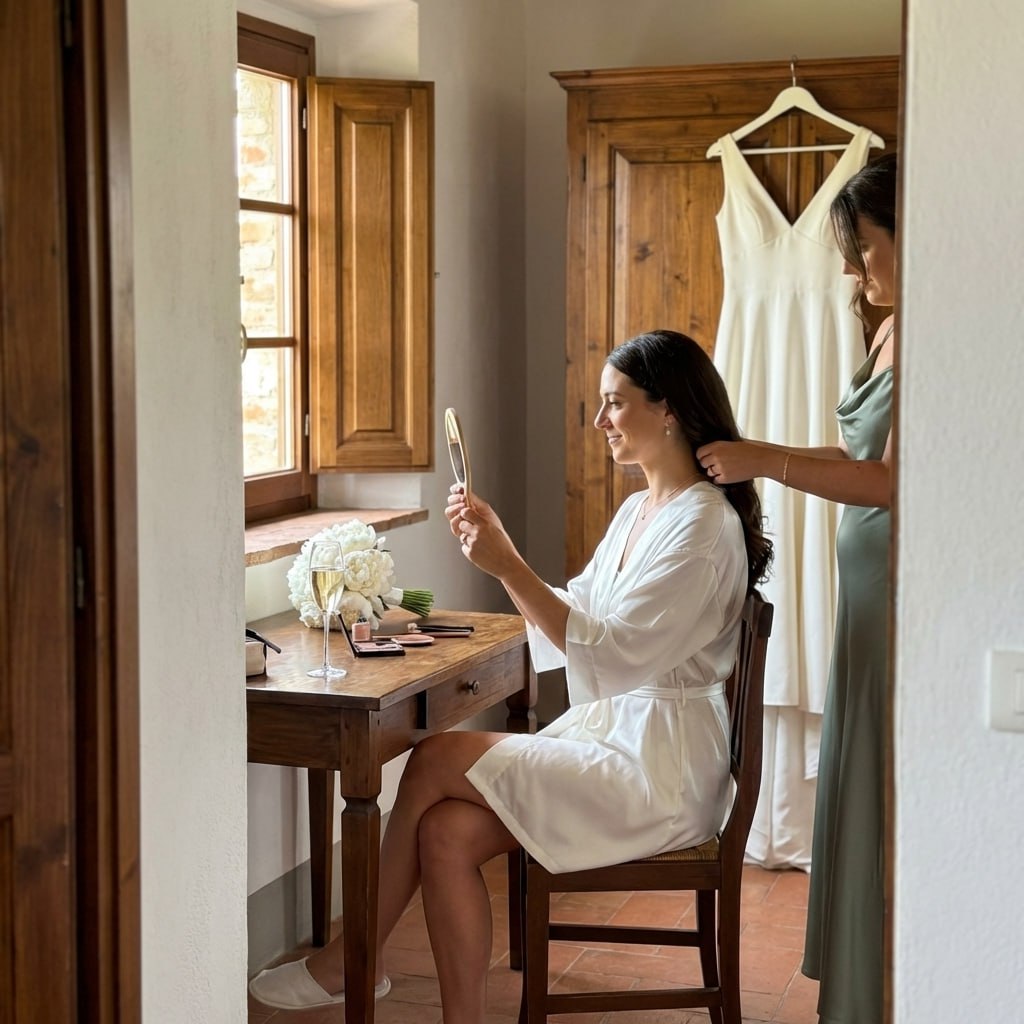
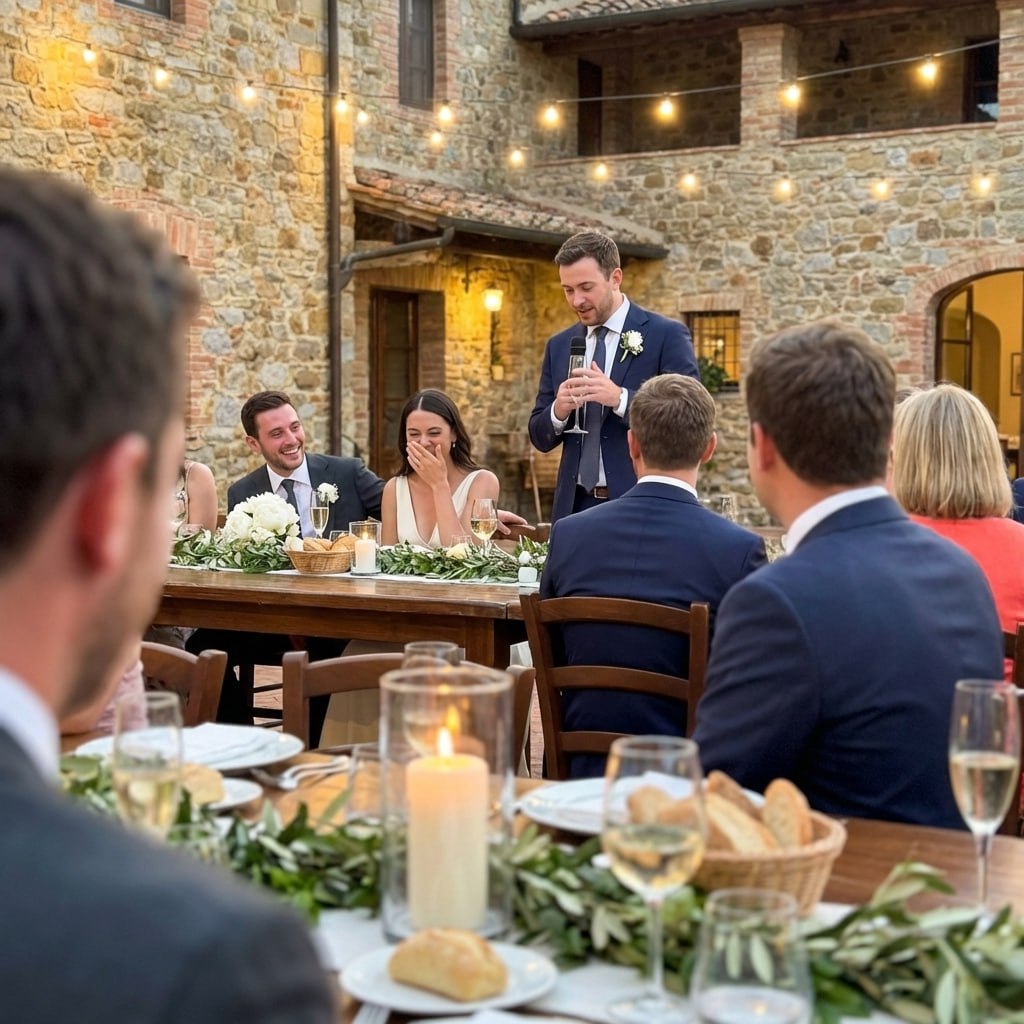
SCAN TO TRY
pix.wedding/
your-wedding
Candlelight looks incredible and is genuinely hard to photograph well
Every couple planning a speakeasy wedding runs into the same tension: the lighting that makes the room feel right (dim, warm, uneven) is the lighting that makes casual photos come out dark, blurry or grainy. This is worth planning for on purpose instead of discovering it on the night.
A phone's flash flattens faces and kills exactly the warm mood the room was designed for. Event and wedding photographers who shoot in low light consistently favor working with the ambient light rather than a direct flash, positioning subjects so existing candlelight or a bar sign hits them at an angle instead. That is a habit guests can borrow too, even without professional gear, according to photographers who cover low-light events for a living, as detailed in professional low-light event photography guidance.
Most modern phones have a dedicated night mode that holds the shutter open a fraction longer to gather more light, which works well for a candlelit table but needs a steady hand for a second or two. Digital zoom, on the other hand, just crops and degrades the image, so the better move in a dim room is stepping closer rather than zooming in.
A single hired photographer cannot be at the bar, the dance floor and the reveal doorway at once, and in a dim room a lot of the best candid moments (the toast someone else caught mid-laugh, the exact second the door opens) happen on a guest's phone or not at all. A QR code posted near the bar or on the password card lets every guest's low-light shot land in one shared album instead of scattered across group chats.
A quick note on what a real speakeasy was
A speakeasy was an unlicensed bar that operated during Prohibition in the United States (1920 to 1933), when the sale of alcohol was illegal nationwide. Patrons often had to give a password or answer through a small door opening to get in, according to Britannica's history of the era. They ranged from fancy clubs with live jazz bands and dance floors to plain backrooms, which is exactly why the theme translates so well to weddings: it can be as elaborate or as understated as your venue allows.
Where to actually host it
A named "speakeasy venue" is not required. What matters is a space that already has some of the mood built in, so you are not fighting a bright, wide-open room. Verify any specific venue's current pricing, alcohol policy and capacity directly before booking.
Historic hotel bars and lobby lounges
Older hotels often have a dedicated bar or lounge area with existing dark wood, low ceilings and dim fixtures, sometimes bookable as a private buyout for a smaller guest list.
Converted cellars and basements
Wine cellars, old bank vaults and basement event spaces come with brick or stone walls and naturally low, intimate lighting without any extra styling.
Speakeasy-style cocktail bars
A growing number of cities have modern bars deliberately styled after Prohibition-era speakeasies, complete with an unmarked entrance, that will host private buyouts for smaller weddings or after-parties.
Warehouse and loft spaces
A blank industrial space gives you full control over lighting and layout, at the cost of having to build the atmosphere yourself with drapery, candles and a proper bar setup.
What to wear without going full costume
The line between "elegant speakeasy" and "themed costume party" is thin. The safest approach is picking one or two era-nodding details rather than a head-to-toe 1920s outfit, unless a full period look is genuinely what you want.
Bride
A dress with beaded or fringe detailing, a low sash or dropped waist, or a simple headband instead of a full veil reads as era-appropriate without requiring a full flapper costume. Deep jewel tones or classic ivory both work.
Groom and groomsmen
A three-piece suit, suspenders instead of a belt, and a pocket square go a long way. Adding a fedora or newsboy cap for photos (not necessarily worn all night) is an easy, low-commitment nod.
Guests
Most couples do not require guests to dress in theme. If you want the visual consistency, note "1920s-inspired attire encouraged, not required" on the invitation and offer a small basket of feather boas or hats at the entrance for anyone who wants to lean in.
Building the night in three tempos
- 1Arrival and cocktail hour: slow jazz and torch songs
Soft, low-tempo jazz standards set the mood while guests find drinks and settle in. A single saxophonist or pianist works well here if live music is in budget.
- 2Dinner and toasts: mid-tempo swing
Swing keeps energy in the room without overpowering conversation or the microphone during toasts.
- 3Dancing: Charleston-friendly swing into modern music
Open the dance floor with a few high-energy swing tracks, then transition into current music once the crowd is warmed up so the floor does not empty out later in the night.
"Password" invitation wording examples
A password is one of the easiest ways to signal the theme before the wedding day even arrives. It can live on a small insert card, a line on the invitation, or a reveal on the wedding website closer to the date.
Word gets around there's something happening at [Venue] on [Date].
Find the unmarked door. Knock twice. Tell them "[Couple's Word]" sent you.
Doors open at [Time].
[Bride] and [Groom] are getting married.
Password required at the door: [Word]
[Date] · [Time] · [Venue]
The password will be revealed here one week before the big night.
Check back on [Date] to find out how you're getting in.
Small details that carry the theme
- A small backlit or neon-style bar sign behind the cocktail station, even a rented one, does more visual work than most decor budgets spent elsewhere.
- Menus and place cards in a serif or Art Deco-style font, printed on dark card stock with gold or cream ink instead of the usual light background.
- A framed "house rules" card at the entrance (a playful nod to speakeasy etiquette) doubles as a fun photo prop.
- A QR code printed on a small card near the bar or entrance, styled to match the rest of the signage, so guests can drop their candid shots into one shared album without breaking the mood by texting a photo out.
Building a cocktail program instead of a generic open bar
A speakeasy wedding lives or dies on the bar. A long liquor list nobody reads works against the theme; a short, well-made menu is the point.
| Cocktail | Era | Why it fits |
|---|---|---|
| Old Fashioned | Pre-Prohibition classic | Simple to batch-prep for a bartender working a crowd |
| Sidecar | 1920s Paris and New York bars | A brandy-based option for guests who skip whiskey |
| French 75 | 1920s, named after the WWI artillery gun | Champagne-based, doubles as a toast-friendly pour |
| Bee's Knees | Prohibition-era, named to describe bootleg gin | A lighter, citrus-forward option for a warm-weather wedding |
Four to five cocktails plus beer, wine and a mocktail option is usually enough. Ask your caterer or bar service for their current per-guest pricing on a curated menu versus a standard open bar; the gap is usually smaller than couples expect once you cut the liquor list down.
Pros and cons of a speakeasy wedding theme
Pros
- Built-in atmosphere: the theme does a lot of the visual work for you, especially in an already-dim venue.
- Naturally intimate: low light and close quarters push guests to actually talk rather than scatter across a big bright hall.
- Scales down or up: it works for a 30-person after-party or a full 150-guest reception equally well.
- Distinctive without being niche: most guests immediately recognize the vibe, unlike more obscure theme concepts.
Cons
- Photography needs planning: low light means a hired photographer needs to know the plan in advance, and phone photos need a little guest guidance.
- A curated bar costs more per pour: proper cocktails made well are more labor-intensive than pouring beer and wine.
- Can tip into costume territory: without a light touch, a speakeasy theme can start to feel like a themed party rather than a wedding.
- Not every venue supports it: a bright, wide-open room fights the aesthetic and needs real lighting rental to fix.
When a speakeasy theme is the right call, and when it is not
This theme makes sense if
- You already like moody, intimate lighting over bright open spaces.
- Your venue has some natural bones for it: exposed brick, low ceilings, a bar area.
- Cocktails matter more to you and your guests than a wide liquor selection.
- You want an evening or after-party theme, not necessarily a full-day one.
It is probably the wrong choice if
- You have older guests or family who will struggle in a dim room, or a venue with poor accessibility to a hidden entrance.
- Your venue is a bright, airy space you cannot dim or drape affordably.
- You want a large, sunny outdoor daytime wedding as the main event.
- Photography is a top priority and you are not willing to brief your photographer or guests on low-light shooting.
Common mistakes with a speakeasy wedding
Candlelight is the goal, not a room guests have to squint through. Add small pools of task lighting at tables even if the ambient room stays low.
A short line on the invitation or website ("expect a dim, cocktail-forward evening, dress warmly for photos outside the venue") avoids confused or unprepared guests.
A cocktail-forward bar needs at least one or two well-made mocktails on the menu, not just soda water.
Requiring full 1920s attire from every guest raises cost and stress for people who just want to celebrate you. Offer, do not require.
One photographer cannot be at the door, the bar and the dance floor simultaneously in a dim room. Plan a guest photo collection point so nothing gets lost.
Where the money actually goes
A speakeasy theme is not a fixed extra line item. Instead of naming a specific national average (which varies enormously by city, headcount and venue), here is where couples typically reallocate an existing wedding budget rather than add new spend.
Usually the biggest reallocation: a curated craft cocktail menu costs more per pour than a standard beer-and-wine bar, largely due to bartender labor and premium spirits.
If your venue is bright by default, dimmable or candle-style lighting rental is the next biggest line, especially in venues that require flameless candles for fire code.
A backlit bar sign, password cards and darker stationery are small line items that read as a big style upgrade for relatively little spend.
A live jazz trio for cocktail hour is a nice-to-have, not a requirement. A well-built playlist handled by your DJ keeps this line close to a standard wedding's music budget.
More planning tools and guides
Where the speakeasy trend is actually coming from
Pinterest's official 2026 Wedding Trends Report tracked search behavior across its platform and found speakeasy lounge searches up 225% and jazz club wedding searches up 1,115% year over year, part of a broader shift the report describes as couples wanting venues that feel "transportive, immersive and instantly photogenic." That is a real, measured search spike, not a stylist's guess.
The pattern lines up with what is happening in venue booking more broadly: couples are moving away from the default hotel ballroom toward spaces with built-in atmosphere, where the room itself does some of the storytelling before a single flower arrangement arrives.
Building the night around a reveal, not just a room
The single detail that separates a speakeasy wedding from "a wedding with jazz playing" is the reveal: guests arrive somewhere ordinary looking, then pass through a door, curtain, bookshelf or unmarked hallway into the actual party. That threshold moment is worth planning around, because it is the one guests will talk about and the one your photographer or a guest's phone is most likely to catch candidly.
If a literal secret door is not possible at your venue, a strong substitute is staging the arrival: hold the ceremony or cocktail hour in a plain space, then move the whole group together into the reception room once it is fully lit and set, so the first look at the room is still a collective reveal.
Explore more free wedding tools
Everything you need to make your wedding day stress-free and unforgettable.
Dress Style Quiz
Find your perfect dress silhouette.
Wedding Aesthetic Quiz
Find your 2026 wedding aesthetic in 12 questions.
AI Wedding Dress Generator
Design your dream gown and get an AI image prompt.
Wedding Monogram Maker
Design a custom monogram with your initials.
Photo Sharing QR
The best way to collect guest photos.
Wedding Checklist
Month-by-month planning checklist.
Cost Calculator
Compare wedding costs by city.
AI Vow Generator
Write "banger" vows in seconds.
Speakeasy wedding FAQ
Straight answers to the questions people ask most about this topic.
A speakeasy wedding theme borrows the look and ritual of a 1920s Prohibition-era hidden bar: a discreet or unmarked entrance, a password or knock to get in, low candlelit lighting, jazz music, and a curated cocktail program instead of an open bar with a generic drinks list. It can be the whole wedding or just the reception or after-party.
No. Some couples build a literal unmarked door or curtain reveal, but many just apply the aesthetic (low lighting, jazz, cocktail menu, Art Deco signage) to a normal ballroom or tented reception. The entrance reveal is the highest-impact single detail if you can manage it, but it is optional.
Not inherently. The cost driver is usually the cocktail program (a curated menu with a bartender who can make classic cocktails properly costs more per guest than a standard beer-and-wine bar) and any custom signage or lighting rental. Attire, invitations and music can be done at a normal wedding budget with some DIY effort.
Many couples add a "password" line the guest needs to say or show at the door, printed as a separate small card or a line on the invitation itself. Common formats: a single code word tied to the couple's story, a rotating word revealed on the wedding website closer to the date, or a simple "knock twice, ask for [word]" instruction card.
It changes them rather than ruins them. Warm, low, uneven light (candles, string lights, a single bar sign) is exactly the look a speakeasy theme wants, and modern phone cameras handle it far better than they did a few years ago. The practical fix is giving guests a few pointers (steady the phone, use night mode, avoid the built-in flash which flattens the mood) rather than adding more light and losing the atmosphere.
Classic swing and jazz standards are the anchor, but most couples layer in a set that shifts later in the night: torch songs and slow jazz for the early cocktail hour, upbeat swing and Charleston-friendly tracks for dancing, and a transition into modern music once the formal program winds down so the dance floor does not stall.
They overlap heavily but are not identical. A Great Gatsby theme leans into opulence: gold, feathers, art deco geometry, a full flapper wardrobe, and a party-first mood borrowed from the novel and film. A speakeasy theme leans into secrecy and ritual: the hidden door, the password, the dim intimate room, and a cocktail-forward bar. Many weddings blend both; a speakeasy wedding is really the quieter, more intimate cousin of a full Gatsby party.