
Games for Wedding Guests: What Actually Gets People to Engage
Introvert-friendly options, age-appropriate buckets, opt-in design principles, and word-for-word MC scripts that keep every guest involved without forcing anyone to perform.
Capture Guest Moments FreeGames by Guest Age Group
A 70-year-old and a 10-year-old have very different ideas of fun. Here is what works -- and what to avoid -- for each age band at your reception.
Ages 4-10
Best Games
- Coloring station
- Duck Duck Groom
- Flower petal relay
Avoid
Games with long rules explanations or extended sitting
Pro Tip
Set up a dedicated kids corner with supplies visible from the parents' table so adults can relax while keeping an eye on their children.
Ages 11-17
Best Games
- Photo scavenger hunt
- Name That Tune
- Wedding Bingo
Avoid
Games that pair them with strangers without context
Pro Tip
Teens respond well to photo challenges. Give them a shot list and let them compete for funniest or most creative photo in the wedding album.
Ages 18-35
Best Games
- Couple trivia
- Would They Rather
- Human Knot
Avoid
Games with no stakes or prizes
Pro Tip
This group engages most when there is a leaderboard or a small prize. Even a bottle of wine for the winning trivia table lifts participation dramatically.
Ages 36-60
Best Games
- Anniversary Dance
- Marriage advice cards
- Crossword puzzle
Avoid
High-energy physical games after dinner
Pro Tip
This group values meaning over silliness. Games that let them share wisdom (like advice cards) or celebrate their own milestones (Anniversary Dance) land best.
Ages 60+
Best Games
- Anniversary Dance
- Name That Tune (older songs)
- Seated trivia
Avoid
Physically demanding games or anything with small printed text
Pro Tip
Older guests often become the stars of the Anniversary Dance and love it. Make sure the MC specifically celebrates the longest-married couple with a toast.
5 Games Introverts Will Actually Enjoy
Roughly one-third of your guest list leans introverted. These games are designed to let them participate on their own terms, without spotlights, speeches, or stranger handshakes.
Photo Scavenger Hunt
Why it works for introverts:
Solitary or small-group activity on their own phone. No need to perform in front of the room.
How to set it up:
Print a shot list on each table card. Share a QR code to upload to the group album. No announcement required.
Marriage Advice Cards
Why it works for introverts:
Written reflection -- introverts often communicate better in writing than speaking.
How to set it up:
Place cards and pens at each seat. Guest fills out privately. No reading aloud unless they volunteer.
Wedding Crossword Puzzle
Why it works for introverts:
Puzzle-solving is inherently solitary and absorbing. Great for guests who want to be occupied without socializing.
How to set it up:
Leave on table as guests arrive. Works solo or with a seatmate -- no pressure either way.
Would They Rather (Table Version)
Why it works for introverts:
Small group of 6-8 people at one table, familiar faces. Low public exposure.
How to set it up:
Leave a stack of cards face-down at each table with a note: "Play anytime during dinner -- no rules, no MC."
Name That Tune (Individual)
Why it works for introverts:
Guests can silently hum along or participate just by raising a hand -- minimal spotlight.
How to set it up:
Use a free buzzer app so guests tap their phone screen. No shouting required, no standing up.
Roaming Games vs Table Games: Quick Comparison
Both formats have a place at the reception. Here is how they stack up on seven key dimensions so you can choose the right mix.
Word-for-Word MC Scripts
Copy these scripts directly to your DJ or MC. Rehearsed delivery sounds spontaneous; improvised rules explanations kill momentum. Each script is under 90 seconds to deliver.
Opening the Reception (Bingo)
"Welcome, everyone! At your tables you'll find a Wedding Bingo card. Mark off squares as you see them happen tonight -- first kiss, cake cutting, dad dancing -- you get the idea. First full row wins a bottle of bubbly. No need to do anything except keep your eyes open and have a great time."
Launching the Shoe Game
"Alright, we're going to find out who really knows who in this relationship. [Couple], please take a seat back-to-back in the center. Each of you holds one of your own shoes and one of your partner's. I'll ask a question -- raise the shoe of the person you think the answer describes. No peeking. Ready? Here we go: Who takes longer to get ready in the morning?"
Anniversary Dance Invite
"I need all the couples in the room on the dance floor right now -- whether you're married, engaged, or just really hoping. This song is for every love story in the room. I'll tap you on the shoulder in a bit -- don't worry, it's all good news." [After everyone is dancing] "If you've been together fewer than one year, you can sit down -- you're off to a great start. Thank you. If you've been together fewer than five years..."
Trivia Tables
"Dinner is served, and so is the competition. Each table has a trivia card about [Couple's names]. Work together -- you have until the entrees are cleared. The winning table will be announced and wins bragging rights plus dessert first. No phones. This is a test of who actually knows these two people."
Gentle Close for Low-Energy Crowd
"You have all been absolutely wonderful tonight. Before we wrap up the games portion, I want to give a special moment to anyone who has a piece of advice for [Couple's names]. If you wrote something on your card, please keep it -- they'll read every single one. And if you haven't written anything yet, there's still time. Your words matter to them."
6 Principles of Opt-In Game Design
The best wedding games feel like choices, not obligations. These principles ensure guests who want to play do, and guests who prefer to skip can without feeling left out.
Default to passive participation
Games like Bingo and scavenger hunts work because guests can engage when they feel ready. No one is called out for not playing.
Never put a specific guest on the spot
The MC should never call a specific guest by name to perform, answer a question, or dance unless that person has pre-agreed. Embarrassment travels fast at weddings.
Make the prize visible
Skeptics become participants when they can see what they're competing for. A bottle of wine, a gift card, or dessert access are enough to motivate.
Give a soft out
Every whole-room game should have a line like: "You don't have to play, but you'll regret sitting this one out." It frames non-participation as a choice, not rejection.
Run games during transitions, not during speeches
Table games during dinner service, active games after speeches. Never compete with toasts for attention.
Pre-brief the MC thoroughly
Write out the full script, not just bullet points. When MCs improvise game rules, confusion kills momentum. Rehearsed delivery feels spontaneous to guests.
5 Game Mistakes That Kill Reception Energy
Every item below is a real mistake from real receptions. Each one is entirely preventable.
Too many games back-to-back
Guests feel like they're at a work team-building event. The reception loses its romantic atmosphere.
Fix: Cap planned games at three per reception. Leave natural breathing room between each.
Games that require everyone to stand at once
Elderly guests, pregnant guests, or guests with mobility issues feel excluded or pressured.
Fix: For whole-room games, always offer a seated observer role with equal stakes (they can still win Bingo while seated).
Printing game materials last-minute
Low print quality, wrong quantities, or missing items create MC delays that kill energy.
Fix: Print all materials at least one week before. Pack them in a labeled bag that travels with the wedding kit, not the venue.
Choosing games the couple loves, not ones guests can play
An obscure trivia game about the couple's travel history excludes guests who just met them last year.
Fix: Test each game concept on one representative guest from each social circle. If they look blank, revise the content.
No prizes or recognition
Adults disengage when there are no stakes. Games feel like obligation, not fun.
Fix: Budget $50-100 for small prizes: chocolates, miniatures, flower arrangements from the centerpieces.
The Game Every Guest Already Wants to Play
Photo-sharing IS a game for most guests. Give them a QR code (Pix Wedding sticker at each seat) and a scavenger hunt list, and watch engagement go through the roof -- especially among 18-35 guests who already live through their camera.
Related Reception Guides
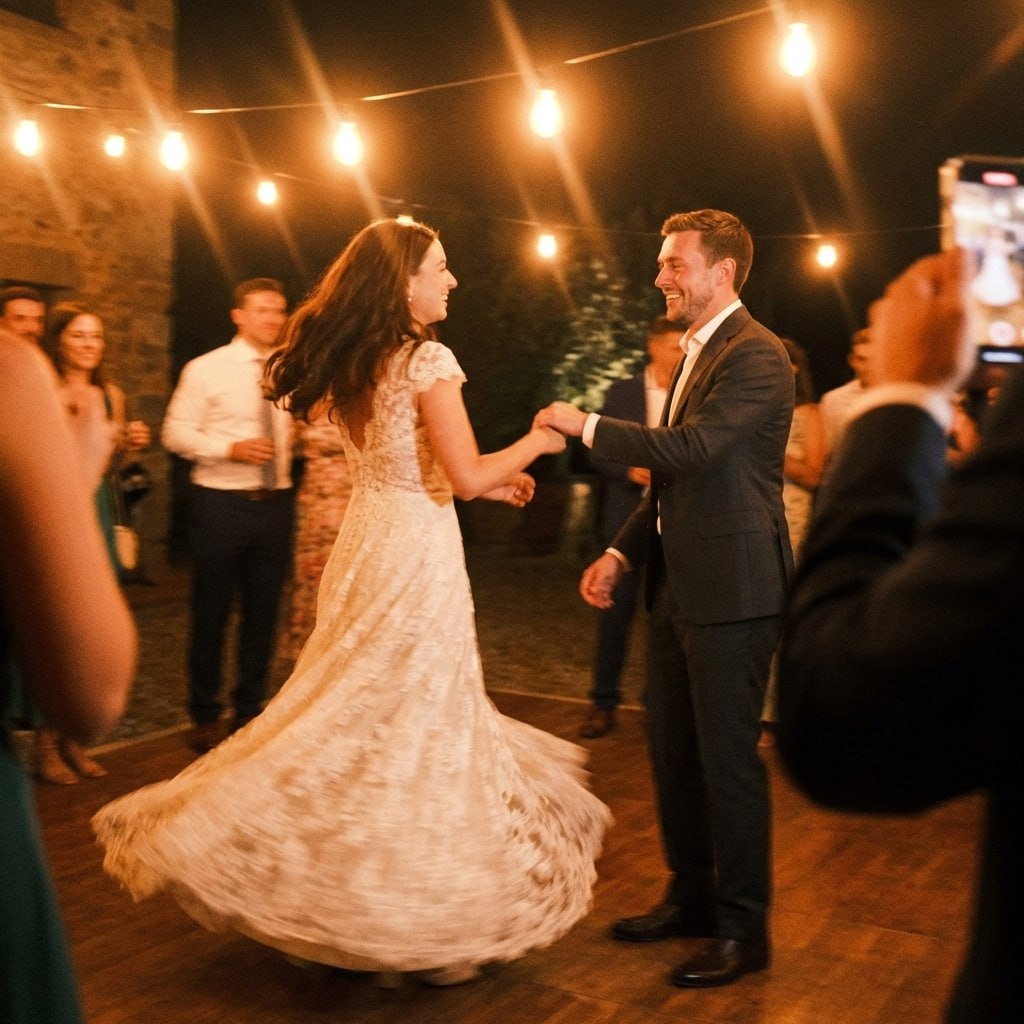
First dance
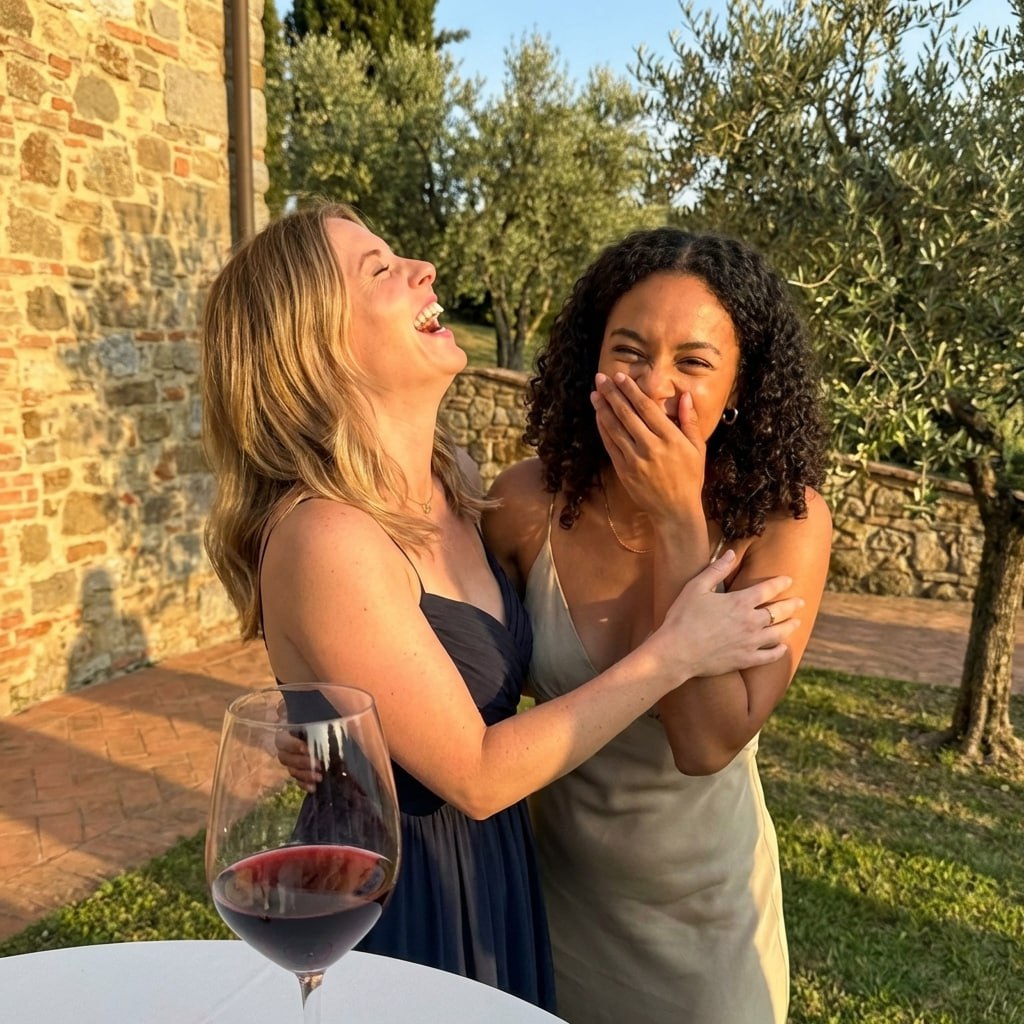
You guys!!
Engaged guests also take the best photos.
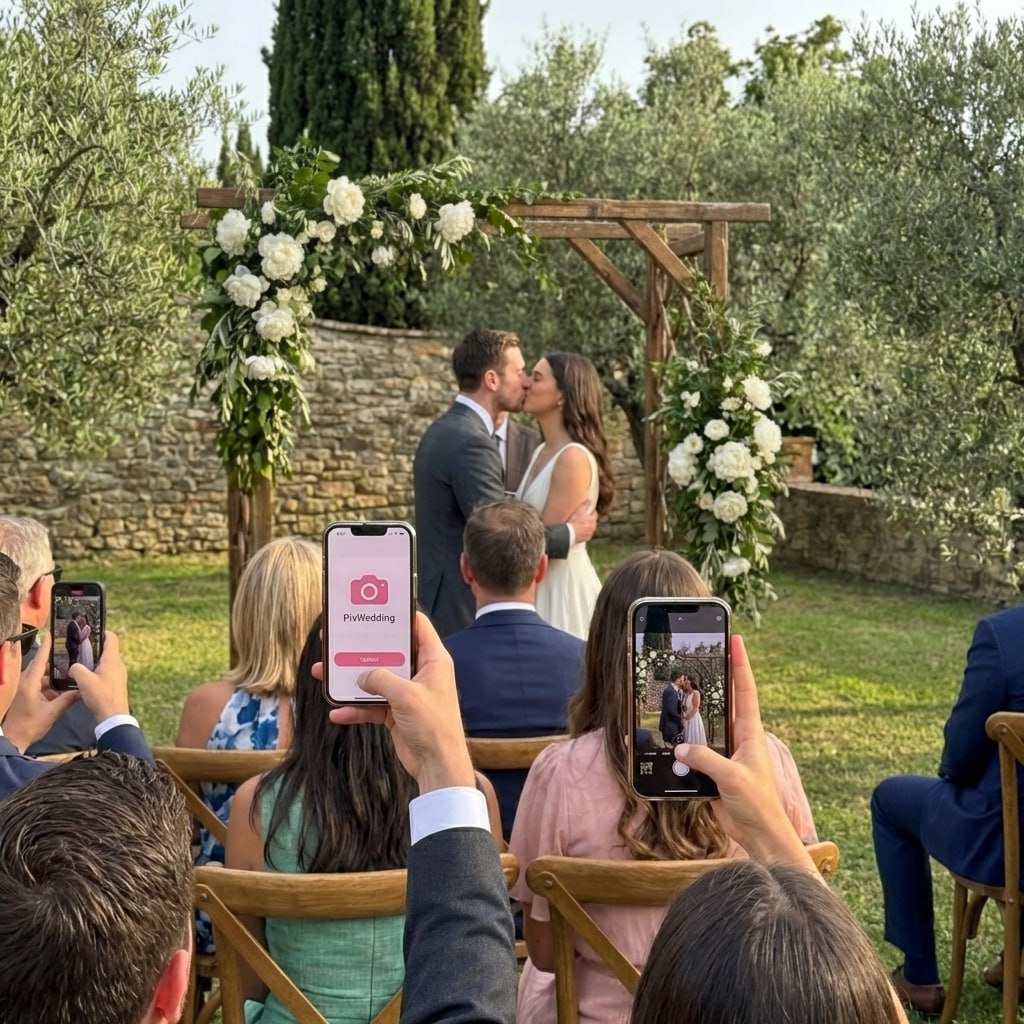
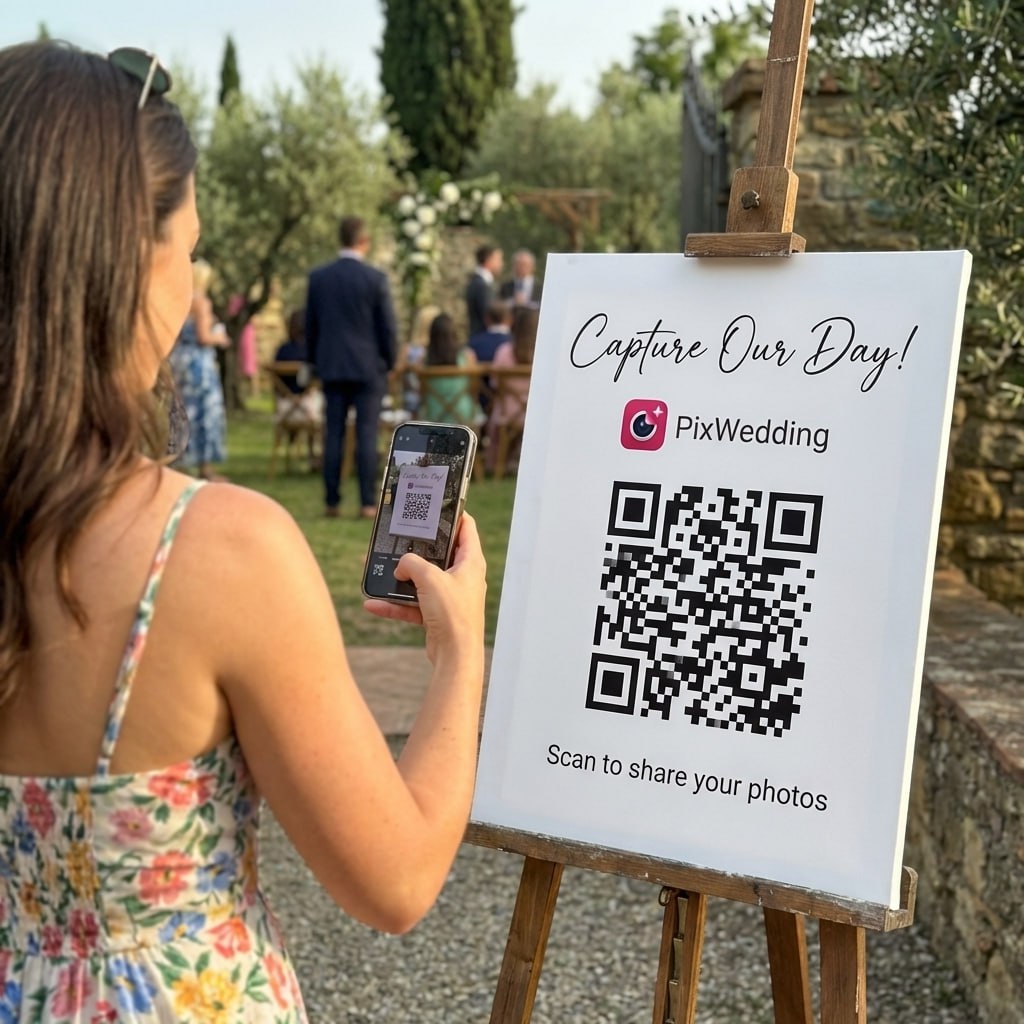
When guests are having fun, they are photographing everything. One QR code at each table collects all those candid shots automatically - no album request required.
From Mom
Scan to join the album
No app, no account
UPLOADING
Saving your moment
THE ALBUM
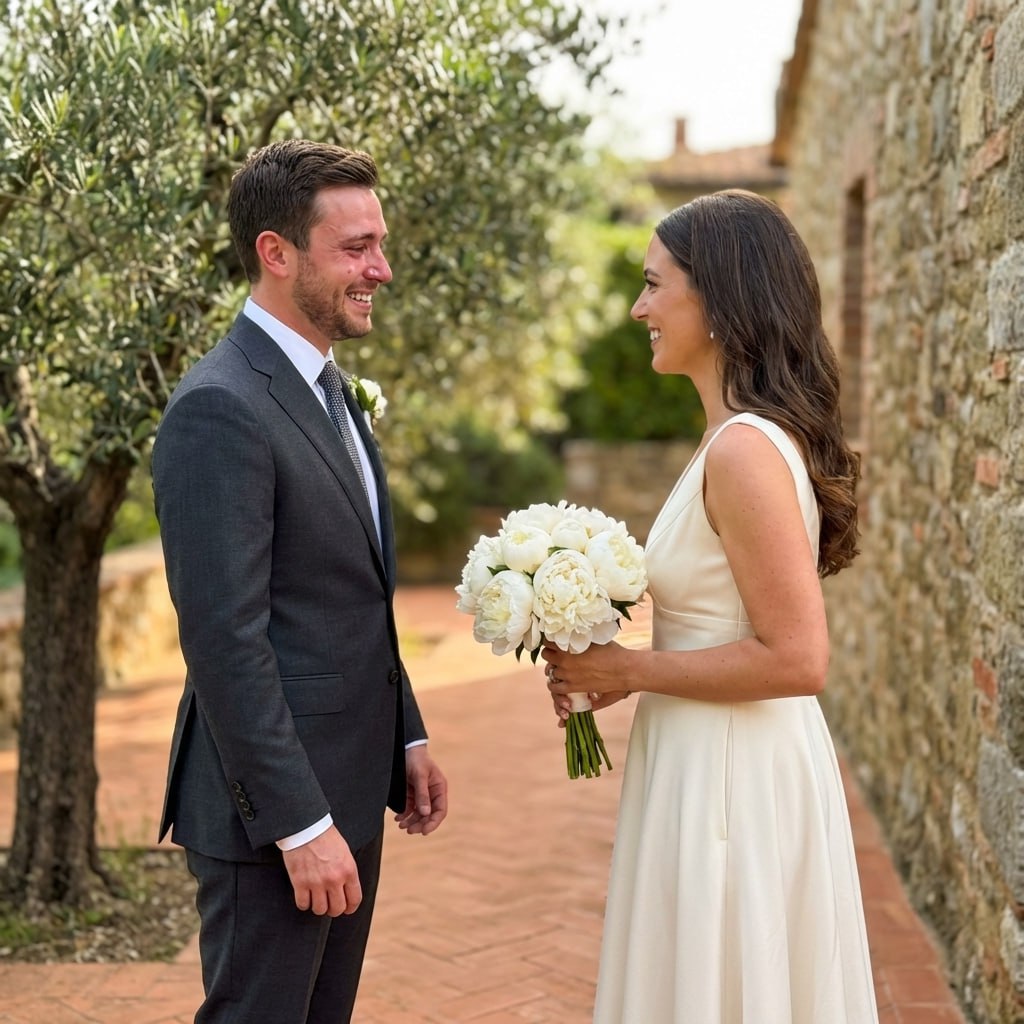
Emma & Jack
June 21, 2026
647 photos · 95 guests
SCAN TO TRY
pix.wedding/
your-wedding
The Guest Psychology Behind Game Engagement
Most reception games fail not because they are badly designed but because they do not account for guest psychology. Wedding guests arrive in a complex emotional state: they may be happy, nervous, tired from travel, curious about people they don't know, or already socially exhausted from the ceremony. A game that demands public performance from a stranger-filled room will fail with at least 30% of your crowd.
The research on social facilitation tells us that people perform best at tasks they are already comfortable with when observers are present -- and worst at unfamiliar tasks. That is why Name That Tune (something adults do already in their cars) gets more engagement than an obscure trivia game about a couple's relationship that guests have to learn from scratch.
Designing for engagement means meeting guests where they are. Passive activities at arrival, light interaction during the meal, active optional participation after dinner. The arc should mirror a great party: warm up slowly, peak organically, wind down gracefully.
- •Passive games (Bingo, advice cards) engage the widest percentage of guests
- •Social proof matters: when one table starts playing, neighboring tables follow
- •Games placed at seats before guests arrive are seen as "part of the event," not an afterthought
- •Prizes increase participation among adults by 40-60% in party science research
- •Ending a game at the right moment (before it drags) preserves positive memories of it
Building Your Game Plan: A Decision Framework
Before choosing any games, answer four questions: What is the age spread of my guest list? What percentage of guests do not know each other? Is our reception more intimate dinner or high-energy dance party? How comfortable is our DJ or MC with running games?
Intimate dinner with known guests: lean into couple-focused games (Shoe Game, Newlywed Game) and meaningful table activities (advice cards, crosswords). Skip icebreakers -- they already know each other.
Mixed crowd where families are meeting for the first time: front-load the icebreakers, make the couple trivia accessible (not inside-joke heavy), and use the Anniversary Dance as a beautiful cultural bridge between older and younger guests.
High-energy dance crowd: skip table games entirely; run 2-3 quick dance floor games (Freeze Dance, Limbo) and a scavenger hunt earlier. The dance floor IS the game for this crowd.
Explore more free wedding tools
Everything you need to make your wedding day stress-free and unforgettable.
QR Sticker Designer
Design custom print-ready stickers.
Hashtag Generator
Create unique wedding hashtags.
How to Collect Guest Photos
5 methods ranked by participation rate and ease.
Share Wedding Photos with Guests
Compare every sharing platform by ease and participation.
Best Way to Get Guest Photos
The single method with the highest participation rate.
How to Make a Shared Wedding Album
Step-by-step setup for every platform.
Alternative to Disposable Cameras
Better, cheaper options than disposable cameras.
Alternative to Wedding Photo Booth
5 cheaper alternatives to a $1,000+ photo booth rental.
Games for Wedding Guests: Frequently Asked Questions
Straight answers to the questions people ask most about this topic.
Opt-in design is everything. Passive games like Bingo, photo scavenger hunts, and advice cards run in the background and require zero performance. Guests who want to engage do; those who prefer conversation can ignore the game entirely without feeling excluded. Never call out non-participants.
Start with low-stakes conversation starters: Two Truths and a Lie at cocktail hour, table Bingo cards, or a scavenger hunt with team tasks that pair guests from different sides. The goal is giving strangers a neutral topic (the game) before asking them to find their own conversation. Couple trivia works especially well because it gives both families something to learn about the couple together.
Brief descriptions on table cards or in the wedding program work well for passive games. For active whole-room games, the MC should explain rules live, in under 60 seconds. Pre-reading long rule cards at a wedding rarely happens. Keep live explanations to three sentences: what to do, how to win, and what the prize is.
For a 5-hour reception, 45-60 minutes of total game time is a healthy ceiling. That might be 20 minutes of passive activity during cocktail hour, 15 minutes of the Shoe Game post-dinner, and 15 minutes of dance floor games. Games should feel like highlights, not the entire evening.
Wedding Bingo wins at scale because it runs itself. Every guest gets a card on arrival, marks off events as they happen naturally (cake cutting, bouquet toss, first dance), and someone announces a winner at a natural pause. Zero MC effort required after the initial 20-second explanation.
The photo scavenger hunt pairs perfectly with Pix Wedding's shared album feature. Guests get a QR code at their seat, open the Pix Wedding album on their phone, and upload scavenger hunt photos directly. Every submission lands in one gallery the couple can browse the next morning. No app download needed -- works through the browser.