
Bride and Groom Shoe Game Questions
75+ questions written for the bride-and-groom dynamic, with historical context, modern updates, a scoring sheet template, and notes for inclusive adaptations.
75+
Questions included
7
Categories
Free
Scoring sheet template
Modern
Inclusive adaptations included
Where the Shoe Game Came From
A brief history of how this tradition evolved and why it resonates.
Origins and Evolution
The shoe game as we know it emerged at North American receptions in the early 2000s, though couple-knowledge games date back further. Victorian parlor games often featured newlyweds answering questions about each other for the amusement of guests. The shoe mechanic -- holding your own shoe and your partner's, raising the matching one as a vote -- was a clever visual innovation that replaced paper ballots or verbal answers with something immediately legible across a large room.
By 2012-2014, videos of shoe game highlights went viral on YouTube and early social media, establishing it as a mainstream wedding expectation rather than a novelty in many regions.
Traditional Framing vs. Modern Updates
Early shoe game question lists leaned heavily on traditional gender tropes: the bride always cooked, the groom always handled finances. These questions often generated laughs because the actual answers defied the stereotype -- but relying on the stereotype as the premise aged poorly.
The question bank on this page deliberately flips this: every question is posed as a genuine unknown. The humor comes from the specific couple's real dynamic -- not from assumed roles. This makes the game more personal and more universally enjoyable regardless of how the couple divides their life.
A Note on Inclusive Adaptations
This page focuses on the bride-and-groom pairing because that is the search intent driving this content. But the shoe game is joyful for every couple configuration. If you are planning a same-sex wedding, a non-binary partnership, or any celebration where "bride and groom" does not apply, the exact same questions work with name substitutions only. See our full question bank (link below) and our general shoe game guide for versions framed for any couple.
Browse 80+ questions for any coupleRelationship Firsts
10 questions- Who made the first move?
- Who initiated the first kiss?
- Who asked to be exclusive first?
- Who said "I love you" first?
- Who suggested moving in together first?
- Who proposed first -- or first hinted at marriage?
- Who said "I want to marry you" first?
- Who first met the other's family?
- Who planned the first romantic getaway?
- Who remembered every anniversary without a reminder?
Who Rules the House
12 questions- Who controls the TV remote?
- Who keeps the house tidier?
- Who is the better cook?
- Who is in charge of the grocery run?
- Who handles the bills?
- Who decorates?
- Who stays up latest?
- Who leaves lights on in every room?
- Who has more shoes? (Beyond today's two pairs.)
- Who hoards more stuff they never use?
- Who plays music too loud?
- Who initiates the Netflix binge?
Personality and Habits
12 questions- Who is more stubborn?
- Who gets ready faster?
- Who is more punctual?
- Who is the morning person?
- Who snores?
- Who stress-eats?
- Who apologizes first after a disagreement?
- Who is the better driver?
- Who gets more nervous before a big event?
- Who is more likely to get lost?
- Who talks more in social situations?
- Who remembers names better?
Sweet and Sentimental
12 questions- Who is the more romantic one?
- Who gives the better hugs?
- Who is the better listener?
- Who cries at movies?
- Who is more patient?
- Who shows affection more often?
- Who calls just to say "I love you"?
- Who plans the most thoughtful surprises?
- Who is the first one the other calls in an emergency?
- Who is the heart of this marriage?
- Who fell in love first?
- Who still gets butterflies?
Future and Family
12 questions- Who will be the stricter parent?
- Who will spoil the children more?
- Who will handle school homework help?
- Who will embarrass the kids at school events?
- Who will be in charge of family finances?
- Who will want more pets?
- Who will want to travel more?
- Who is more likely to suggest moving to a new city?
- Who will plan the big family holidays?
- Who will learn a new language first?
- Who will retire first?
- Who will still be the life of the party at 80?
Funny and Lighthearted
10 questions- Who is more likely to start a new hobby and quit within a month?
- Who takes longer to decide what to eat?
- Who sends longer texts?
- Who is more likely to talk to strangers?
- Who would survive a zombie apocalypse longer?
- Who is more dramatic?
- Who has stronger opinions about things that don't matter?
- Who would win a staring contest?
- Who is more likely to win a trivia night?
- Who is more likely to cry during a commercial?
Traditional-with-a-Twist
7 questions- Who wears the pants -- on their birthday?
- Who is the boss -- of the remote control?
- Who knows best -- about what to order for dinner?
- Who takes longer to get ready -- on a Tuesday morning?
- Who drives on vacation -- even when they don't know where they're going?
- Who has more shoes -- counting today's pair?
- Who always has a plan -- and whose plan usually changes?
Printable Scoring Sheet Template
Assign a bridesmaid or family member to keep score on a clipboard. Here's the simple format.
Score Tally Format
Scoring rules: Mark a tally in the "Bride" column when the bride raises her own shoe (i.e., she believes the answer is her). Mark "Groom" when the groom raises his own shoe. Mark "Both" when both partners raise their own shoe simultaneously (perfect agreement).
Announcing the winner: Whoever has more individual points "knows the couple best" by the game's logic. The "Both" column shows the questions where the couple was perfectly aligned -- read these aloud at the end for a sweet moment.
Printing tip: Copy this layout into a spreadsheet or word processor. Print one sheet per game. Use a bright color for the Bride and Groom columns so the scorekeeper can mark quickly without looking down.
Building a Personalized Question List
Generic questions are good -- personal ones are legendary. Here is how to go from this list to a custom deck.
Interview the Bridal Party
Ask the best man and maid of honor each for one embarrassing couple habit, one prediction, and one funny story. These become your "insider" questions that only this specific crowd will fully appreciate.
Reference Real Milestones
"Who cried more at the proposal?" "Who was more nervous before meeting the parents?" Grounding questions in real events makes the game feel like a tribute rather than a quiz.
Aim for a 70/30 Mix
70% funny or surprising, 30% sweet and sentimental. Front-loading all the funny questions means the sentimental section feels like a gear change. Weave them throughout.
Number and Order Your Cards
Number each card 1 through 30. Order from lightest to most personal, with the sweetest questions at positions 25-30. If you need to cut, remove from the middle, not the end.
Preview One or Two Questions
Let the couple know if any question is particularly personal. You do not need to reveal the full list -- but surprises that cause genuine discomfort in front of 150 guests are avoidable with a quick check.
Print with Backup
Print two physical copies. Send a digital copy to the MC's phone as backup. If the venue is dark, use large-font printing (minimum 18pt) so the MC can read without squinting into a phone screen mid-game.
Adapting the Question List by Occasion
The same 75+ questions work across multiple settings -- here is how to adapt by occasion.
Wedding Reception
All 7 categories. Use the full 22-28 question set. Prioritize funny and future categories for maximum crowd energy.
Best: Who Said It First, Future and Family, Funny and Lighthearted
Bridal Shower
Shorter set of 12-15 questions. Lean on sweet and sentimental. Avoid bold questions in mixed-age settings. Keep energy warm rather than raucous.
Best: Sweet and Sentimental, Relationship Firsts, Habits and Quirks
Rehearsal Dinner
The most intimate setting -- 10-12 personalized questions work well. The crowd is insiders, so references to shared stories land better here than anywhere else.
Best: Custom insider questions, Relationship Firsts, Traditional-with-a-Twist
Anniversary Party
Future questions become retrospective ("Did you predict correctly?"). Add years-together milestones. Sentimental questions hit harder with decades of context behind them.
Best: Sweet and Sentimental, Future and Family, Who Rules the House
Bachelorette / Bachelor Party
The friend group knows the couple well. Bold questions are more appropriate in this setting. Limit to 10-12 questions since this is usually not the main event.
Best: Bold track, Funny and Lighthearted, Personality and Habits
Pitfalls to Avoid with Bride-and-Groom Questions
A few question choices consistently cause problems. Avoid these.
Avoid: Questions about finances or debt
Even framed humorously, these can reveal sensitive information in front of family members the couple may prefer not to have involved in financial details.
Avoid: Questions about past relationships
"Who dated more people before this?" or "Who got over their ex faster?" -- both can create genuine discomfort if either partner has a complicated history the other family does not know about.
Avoid: Questions that assume traditional gender roles as fact
Framing like "Who will do the cooking?" assumes one partner will cook. Better: "Who is the better cook?" -- which is a genuine question either partner could answer.
Avoid: Questions about in-law dynamics
Any question involving "Who has the more difficult family?" or similar is a trap. Both sets of in-laws are present. No good answer exists publicly.
Avoid: Questions about the couple's physical appearance
"Who gained more weight in the relationship?" or similar questions have no appropriate place in a public celebration. Full stop.
Avoid: Overly inside-joke questions without setup
A question that only 3 people in the room understand lands with silence for 150. Inside references need a brief setup from the MC before the question, or they should be cut.
Related Shoe Game Pages

First dance
You guys!!
Keep the laughs long after the game ends.
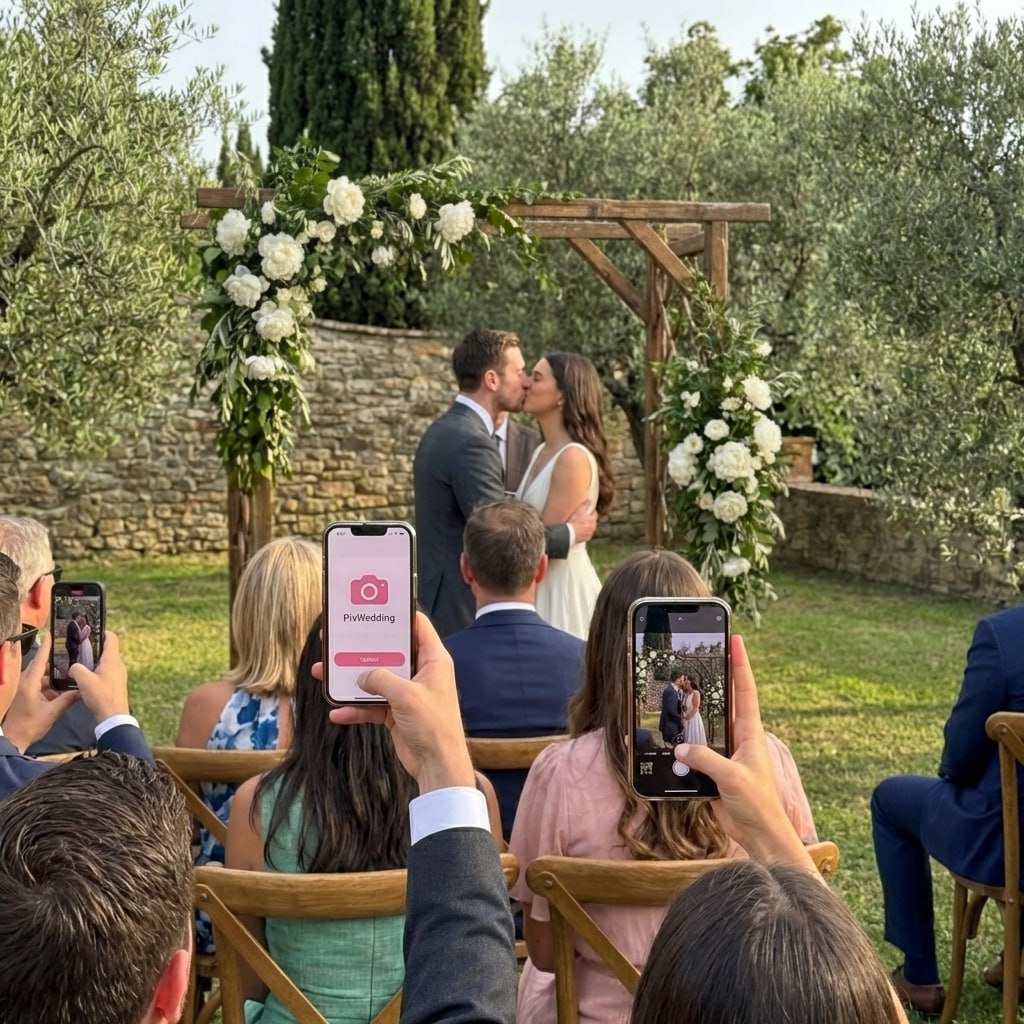
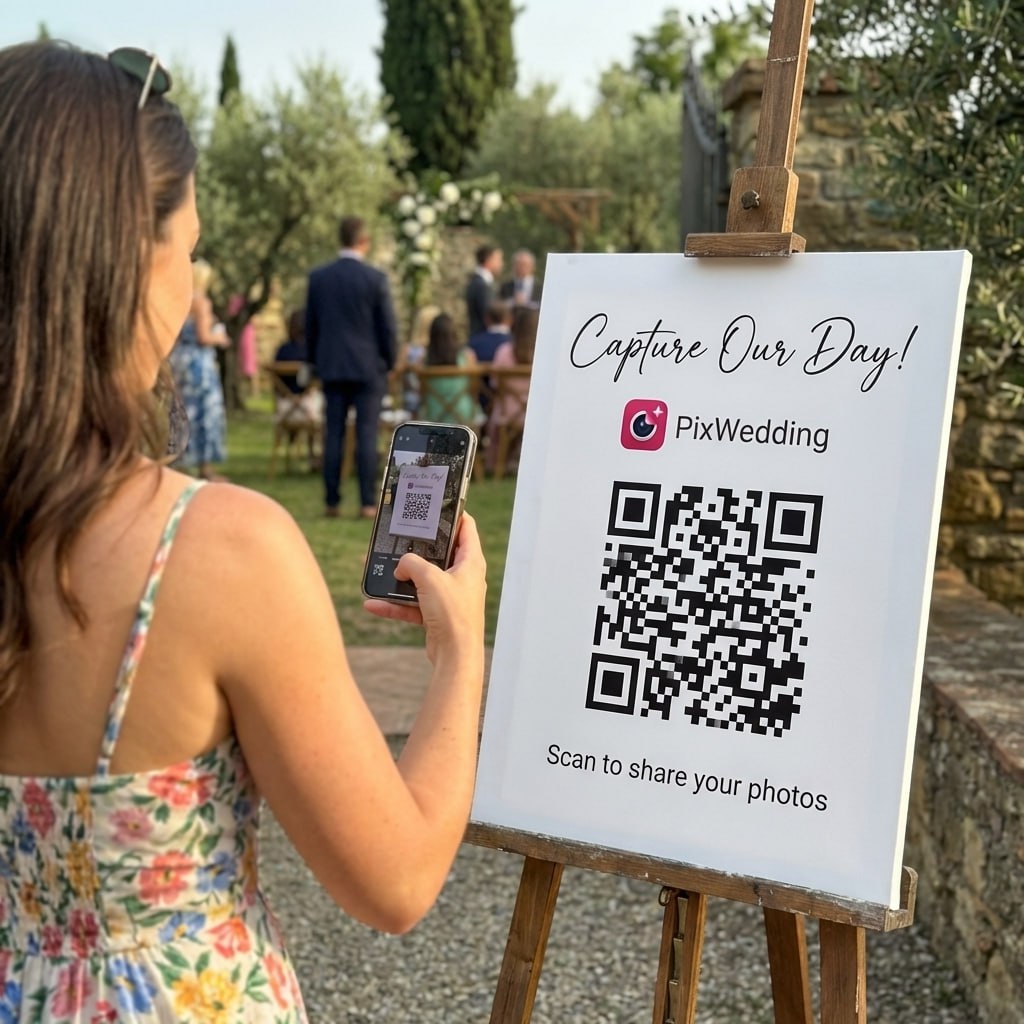
Someone always catches the best reaction on camera. Give guests a QR code and every shot ends up in one shared album, no chasing needed.
From Mom
Scan to join the album
No app, no account
UPLOADING
Saving your moment
THE ALBUM
Emma & Jack
June 21, 2026
647 photos · 95 guests


SCAN TO TRY
pix.wedding/
your-wedding
Traditional vs. Modern Question Framing
See how traditional phrasing compares to modern framing. Both can work -- the modern version tends to generate more genuine answers.
Printing and Distributing Your Question Set
How you physically prepare the question list affects how smoothly the MC can deliver it.
Index Card Format
One question per index card (3x5 or 4x6), 18-20pt font minimum. Number each card and add a small category label in the corner. Print two identical decks. This lets the MC hold the deck and flip easily in low light without looking at a phone screen.
Color-code by category: pink for sweet, yellow for funny, blue for future. The MC can quickly grab the right energy for any moment.
Digital Backup Strategy
Email a PDF of all questions to the MC, the best man, and the maid of honor before the wedding. Have the MC add it to their phone's notes app so it works without internet. On the day, the physical cards take precedence -- the phone is the backup, not the primary.
Increase phone screen brightness to maximum before the game starts if the MC may need to reference the digital copy in a dark venue.
Ordering Your Deck
Order questions from lightest to most personal. Opening questions should be ones where both partners almost certainly agree (builds crowd trust). Mid-game questions drive divergence and laughs. Closing questions should be sweet and sentimental -- guests leave with a warm feeling, not just a funny one.
Pull 5 questions out and set them aside as "skip if needed." These are the ones you could cut without losing the arc of the game.
How the Bride and Groom Frame Shapes Question Tone
The "bride and groom" framing carries cultural weight. Traditional western wedding receptions have long featured playful rituals that highlight the couple's differences and complementary natures. The shoe game fits neatly into this tradition -- and when questions are written well, it celebrates rather than stereotypes those differences.
Good bride-and-groom questions lean on the real dynamics of the specific couple rather than generic gender assumptions. "Who is the better cook?" works if the couple actually has a stronger cook -- it falls flat (or lands awkwardly) if neither person cooks. Personalization is the difference between a question that generates knowing laughter and one that produces an uncomfortable pause.
Modern couples often find the traditional "bride vs. groom" framing charming rather than limiting -- the competitive structure creates a fun vs. us energy that the crowd enjoys. The questions below are written to be genuinely competitive without relying on outdated assumptions.
Adapting These Questions for Any Couple
While this page focuses on the bride-and-groom dynamic, every question can be adapted with a simple pronoun swap. For same-sex couples, two grooms, or two brides, the questions remain identical -- only the framing of "which partner" changes. See our other shoe game pages for question lists specifically built for any couple configuration.
For non-binary partners, the "bride and groom" label can be swapped for each partner's preferred terms, or the game can simply refer to them by name throughout. The shoe mechanic works identically regardless of gender.
Cultural adaptations matter too. Some families have strong traditions around specific roles (cooking, finances, social planning) that make certain questions particularly resonant. If you know the family's cultural background, a question that references a specific cultural tradition can generate warm cross-generational recognition from guests.
- •Replace "bride" and "groom" with names for a more personal feel
- •Add culture-specific questions that resonate with the families present
- •Remove any question that references a topic the couple prefers to keep private
- •For anniversary parties, update past-tense questions to reflect years together
- •For multilingual families, prepare a translated version for bilingual announcements
Explore more free wedding tools
Everything you need to make your wedding day stress-free and unforgettable.
QR Sticker Designer
Design custom print-ready stickers.
Hashtag Generator
Create unique wedding hashtags.
How to Collect Guest Photos
5 methods ranked by participation rate and ease.
Share Wedding Photos with Guests
Compare every sharing platform by ease and participation.
Best Way to Get Guest Photos
The single method with the highest participation rate.
How to Make a Shared Wedding Album
Step-by-step setup for every platform.
Alternative to Disposable Cameras
Better, cheaper options than disposable cameras.
Alternative to Wedding Photo Booth
5 cheaper alternatives to a $1,000+ photo booth rental.
Bride and Groom Shoe Game FAQ
Straight answers to the questions people ask most about this topic.
The best questions reveal personality without being embarrassing, mix humor with sentiment, and use the bride/groom framing naturally. Examples: "Who gets more nervous before a big decision?", "Who is the better driver?", "Who remembered every anniversary?", and "Who planned the most memorable date?" Personal references to the couple's real story always generate the strongest reactions.
Avoid questions that assume gender-based roles as facts (e.g., "Who does the cleaning?" framed as if the bride always would). Instead, frame questions as genuine unknowns: "Who keeps the house tidier?" -- either partner could answer honestly. The question bank on this page is written so every question could go to either partner equally. Humor comes from the actual couple's dynamic, not from stereotypes.
The shoe game as a wedding reception activity traces to North American reception traditions of the early 2000s, with antecedents in parlor-style couple-knowledge games from earlier decades. The specific mechanic of holding shoes and raising them as votes appears to have emerged organically at wedding receptions, spread through word-of-mouth, and exploded internationally via social media around 2012-2014.
Absolutely. Most of the questions on this page apply equally well to couples celebrating a 1st, 10th, or 25th anniversary. For longer marriages, add future-tense questions about grandchildren, retirement, or travel, and swap in questions that reference the years they have been together. Anniversary shoe games often generate the most touching moments because the answers carry decades of context.
Prepare 30 to 35 questions and plan to use 22 to 28. The extras are your safety net if a question falls flat or the room calls for a pivot. Having extras also lets the MC remove any question that feels too personal once they meet the couple at the rehearsal dinner or reception briefing.
The scoring sheet (template at the bottom of this page) is a simple tally grid. One column for the bride, one for the groom. Each time a partner raises their own shoe, they get a point. At the end, whoever has more points "knows the couple best." In practice, the score is less important than the reactions -- but announcing a winner gives the game a satisfying ending and a reason for the crowd to cheer.