Design a photo plan that keeps you calm, your vendors aligned, and every candid captured. Step-by-step timelines, communication scripts, and QR integrations to keep stress at zero.
Plan backwards from each milestone, give every key moment a photo lead, and let technology collect everything else automatically.
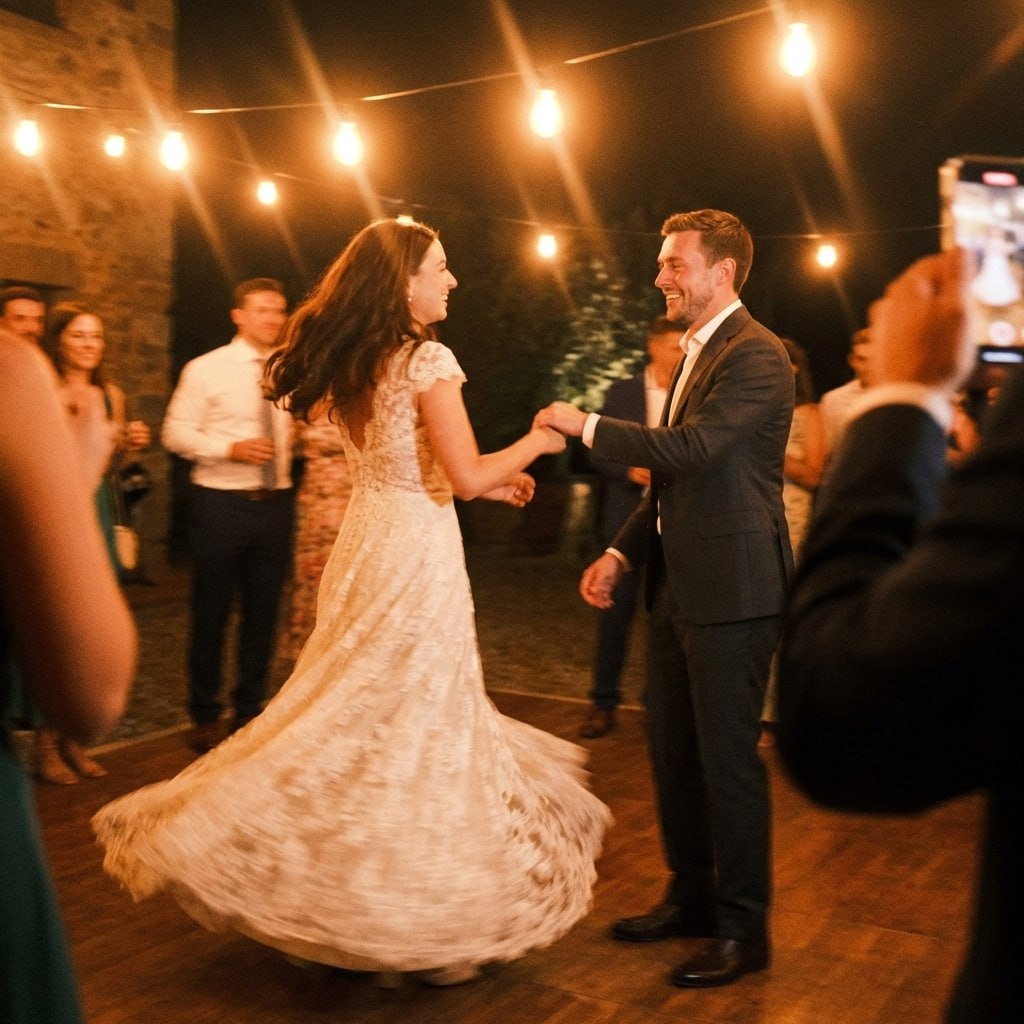
List the five moments you refuse to miss (first look, parent reaction, private vows, dance floor confetti, sparkler exit). Rank them by emotion, not tradition. This becomes the north star for your photographer and MC.
Assign every milestone a buffer, owner, and backup.
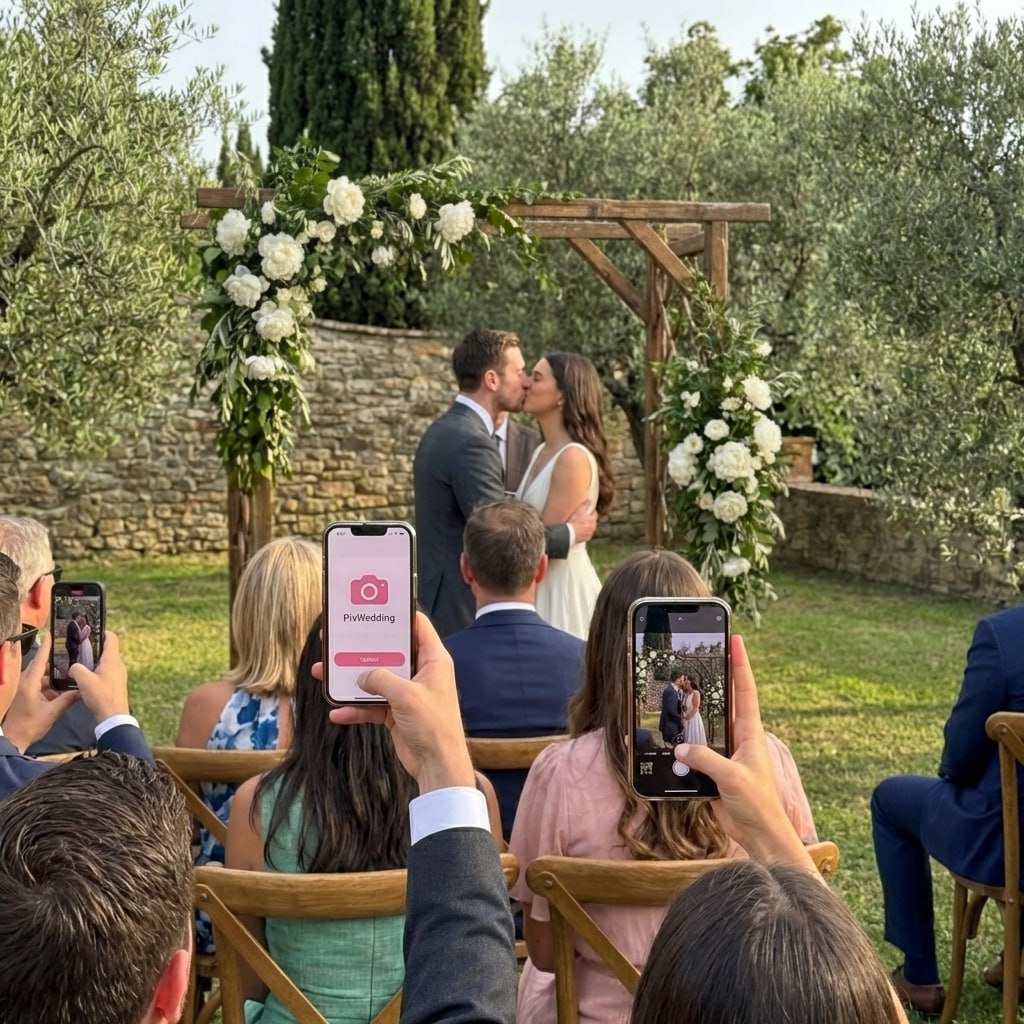
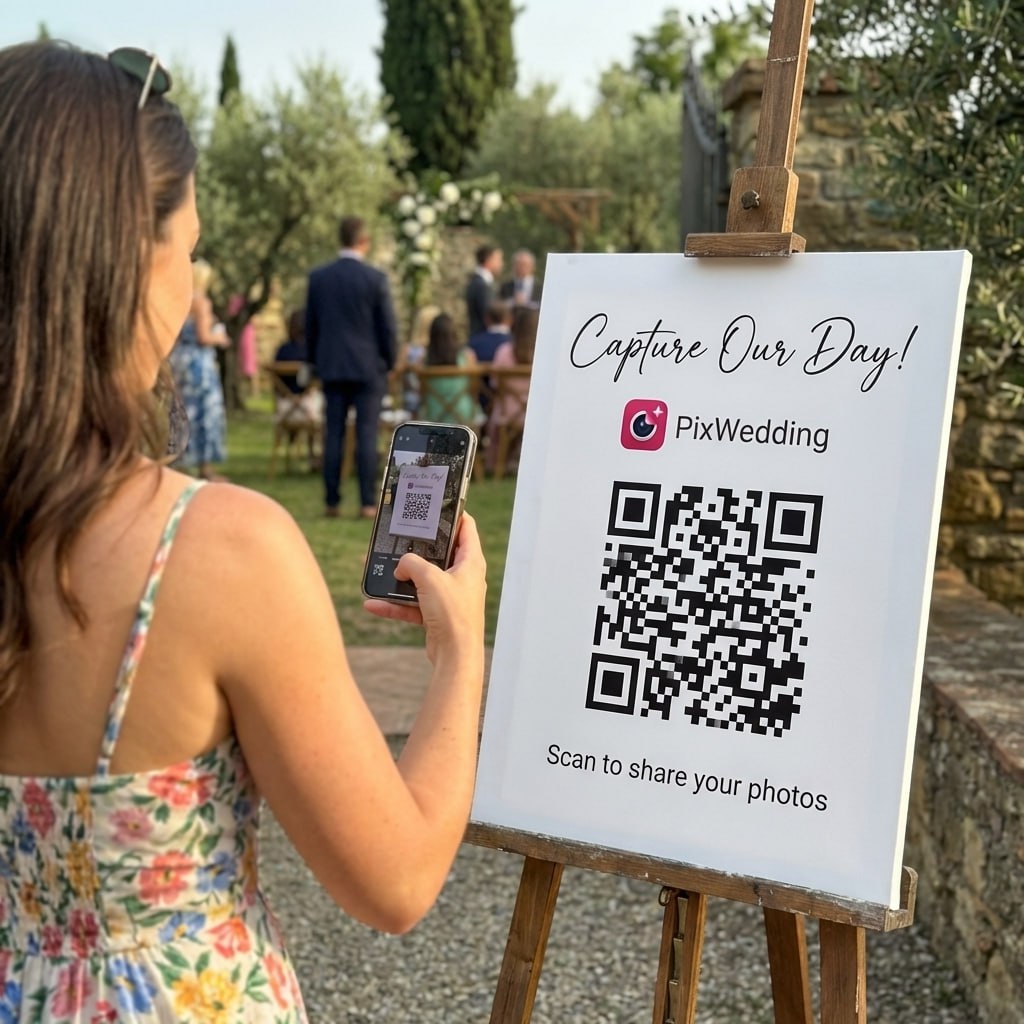
DIY guest albums rarely work because links get buried. Instead, rely on Pix Wedding QR codes. They live on table tents, bar menus, and bathroom mirrors, so every guest can scan and upload in seconds-no app, no login, no stress.
Hold a 15-minute video call with your photographer and planner the week of the wedding. Walk through the timeline, the "no stress" signals, and exactly how guests will feed your album. Send them the QR mockups so they can help place them day-of.
Your only job is to be present. Assign a "photo captain" (friend or planner) to enforce the timeline, relocate QR displays, and nudge uploads. Because Pix Wedding handles the guest gallery automatically, you can stop worrying about collecting photos later.

First dance
You guys!!
Launch your free Pix Wedding album in under a minute, drop QR codes into your timeline, and enjoy a stress-free day.
From Mom
Scan to join the album
No app, no account
UPLOADING
THE ALBUM
June 21, 2026
647 photos · 95 guests



SCAN TO TRY
pix.wedding/
your-wedding
Every outdoor or semi-outdoor wedding needs a documented weather backup that your photographer, planner, and venue coordinator all know before the day. The problem: most couples create this plan in their head and never share it in writing. On the day, rain arrives and three different people give three different instructions.
Here is a simple weather decision tree that eliminates confusion. Write it down, share it with your photographer and planner at least two weeks before, and designate a single person (your planner or MOH) who makes the call.
One of the most underused tools in wedding photography is the scheduled next-morning portrait session. A surprising number of photographers offer this at no extra charge or a reduced rate, particularly for weddings with outdoor portrait plans that got disrupted by weather or timing.
The logic is simple: day-after light at golden hour is often better than what was available the day of the wedding. You are still in the euphoria of just getting married. The dress is there, the partner is there, and there is none of the day-of timeline pressure. Some of the most striking editorial-style wedding portraits happen the morning after.
Ask your photographer at booking: "Do you offer a day-after session if we do not get the light we hoped for?" Many say yes. Get it in writing as an option, with a clear trigger: weather displacement, timeline overrun, or simply wanting more portraits.
Every vendor, bridesmaid, groomsman, and family contact person should receive a single-page photo brief one week before the wedding. This page contains only what each person needs to know to do their job.
Most vendor communication problems at weddings come from a single cause: couples front-load communication (lots of back-and-forth during booking) and then go quiet in the final 4 to 6 weeks before the wedding. Vendors fill this silence with assumptions, and those assumptions do not always align with your plans.
A simple three-touchpoint schedule after booking eliminates almost all of this.
A zero-stress photo plan acknowledges that no single source of photography is completely reliable. Professional photographers have equipment failures, memory card corruptions, and health emergencies. Cloud uploads fail. This is not pessimism; it is the same logic that backs up important files in two places.
Building redundancy into your photo plan costs almost nothing and eliminates the catastrophic scenario of a photo disaster:
With this structure, the failure of any single layer does not result in a missing wedding. The guest upload layer alone, when properly set up, typically adds a large batch of extra photos from diverse angles and moments throughout the event.
Map every moment with buffers built in. Our free timeline builder generates a shareable PDF you can distribute to every vendor.
Build My Photo-Ready TimelineStart six months out by defining non-negotiable moments, confirming photographer availability, and identifying guest-generated content opportunities. Finalize all timelines four weeks before the wedding, then lock-in responsibilities with a one-page briefing.
Create a single-page "photo mission" that lists key shots, backup plans, QR code placements, and contact info. Email it to the photographer, planner, MC, and venue. During rehearsal, spend five minutes reviewing who triggers each moment.
Use QR codes from <a href="/" class="bg-yellow-100 px-1 rounded inline-block font-semibold">Pix Wedding</a> to capture every candid your photographer may miss. Place them on table tents, welcome signage, and bathroom mirrors so guests can upload effortlessly.
Guests scan a QR code placed on tables or signs with their phone camera. It opens a browser page where they can upload photos and videos directly to your private album. No app download or account creation needed.
Yes. With Pix Wedding, your QR code stays active for 12 months. Guests can continue uploading photos and videos long after the celebration, so you never miss a memory.
A private QR code album is the easiest method. Place QR codes on tables, in the welcome area, and on signage. Guests scan, upload, and you get every perspective in one gallery.
First dance
You guys!!
Guests scan one QR code and upload from their phone browser. No app, no account. Free for your first 20 uploads, one-time payment from $49 for unlimited.
From Mom
Scan to join the album
No app, no account
UPLOADING
THE ALBUM
June 21, 2026
647 photos · 95 guests
SCAN TO TRY
pix.wedding/
your-wedding