
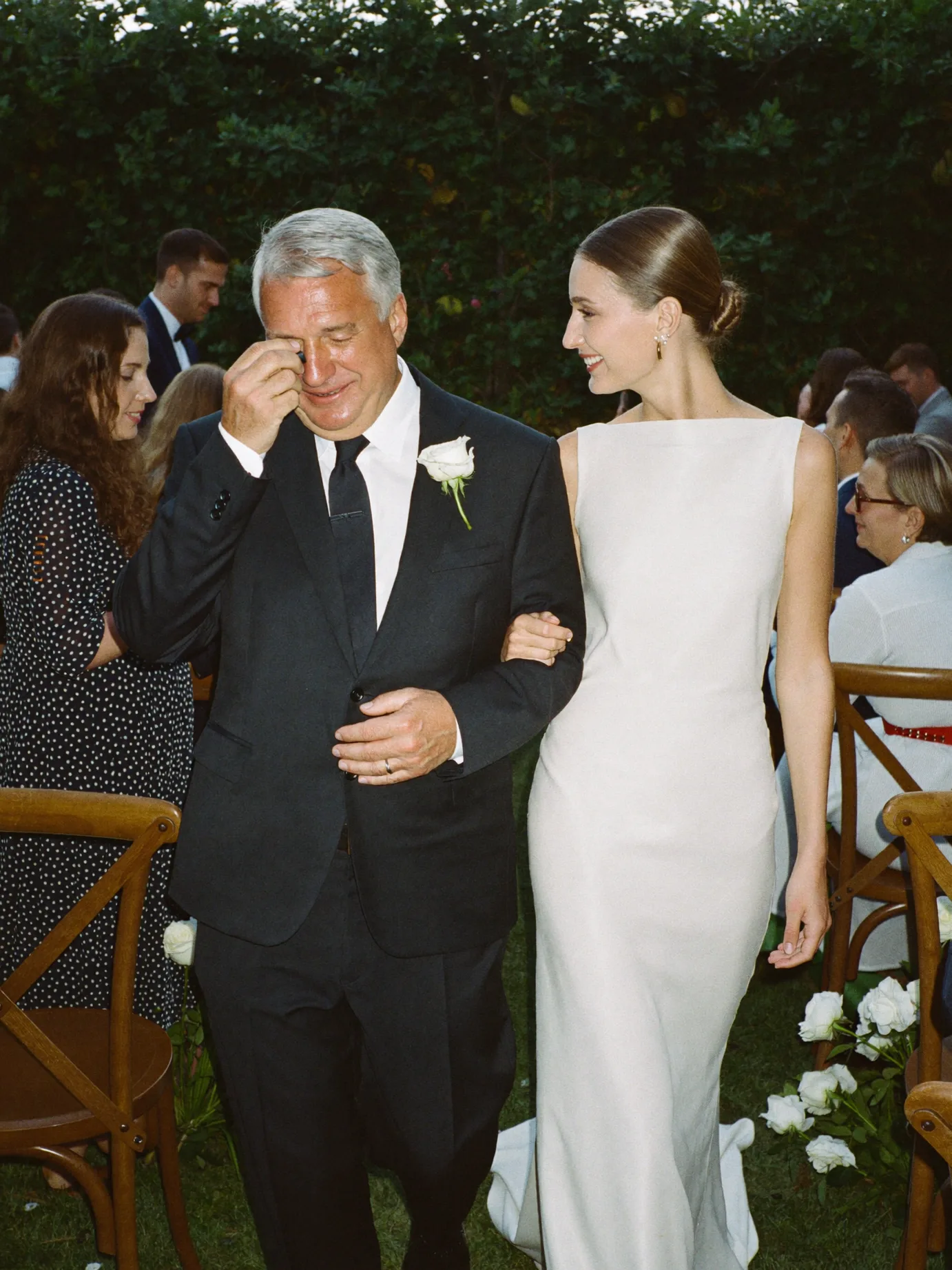
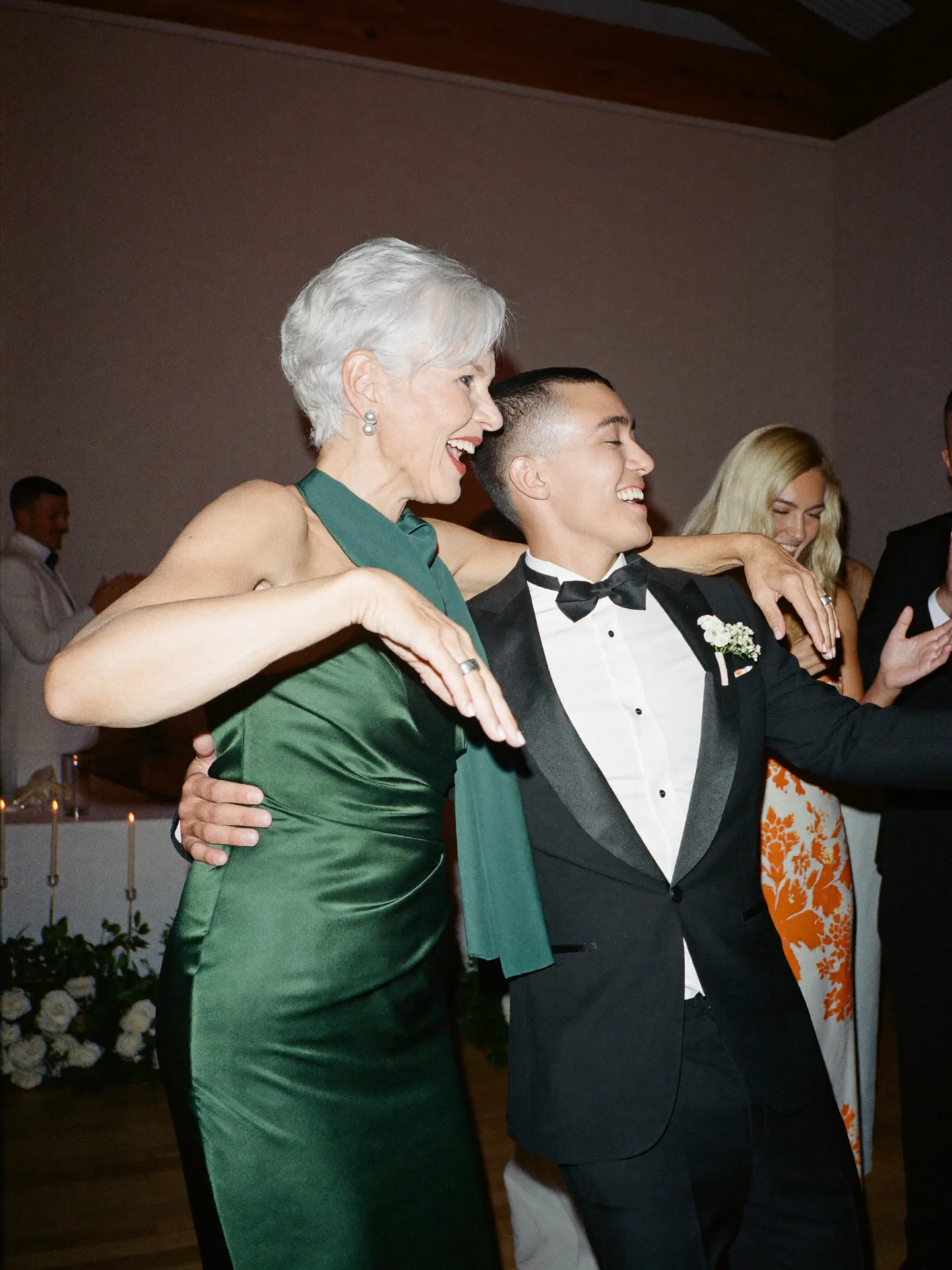


Alaska summer wedding with midnight sun. Guests were uploading at 11pm and the photos still had daylight in them lol. Unique album for sure. Every photo looks golden
Jordan W. · Anchorage, AKVerified couple · July 2025
Add up to four venues you toured. Type in the capacity, the all-in cost and the amenities, rate each one, and see them lined up in one table with cost per guest and a score out of 100. Free, no sign-up, no spreadsheet.
Turn every quote into one all-in total for the same guest count, then compare that total next to capacity, catering rules, parking, rooms and how the place felt on the tour. A low rental fee can hide a large food and drink minimum, so the headline price is never enough on its own.
Most couples go through this with a short list. In WeddingPro's venue selection study, couples contacted five venues on average and toured four in person. The tool above holds four, so every venue you toured fits in one table.
Watch a guest scan the QR code and add photos from the browser, no app and no account. Whichever venue wins, put the code on the tables and the bar and every guest photo lands in one album.
WEDDING ALBUM
Emma & Daniel
Example album






A wedding venue comparison spreadsheet is only as good as the numbers you put in it. These are the columns in the tool, why each one matters, and the one question that gets you a usable answer.
| Column | Why it matters | Ask the venue |
|---|---|---|
| Cost | The only fair number is the all-in total: rental or site fee, food and drink minimum, service charge, tax and rentals. | “Can you send an itemized estimate for our guest count, with service charge and tax shown?” |
| Capacity | A room that seats 150 at round tables may only fit 120 once you add a dance floor, a band and a sweetheart table. | “What is the seated capacity with a dance floor and the layout we want?” |
| Cost / Guest | The tool divides cost by the capacity you type. Type your own guest count instead and the column shows what each guest costs you. | “Is pricing per person, a flat fee, or a minimum spend?” |
| Setting | Indoor, outdoor or both. Both scores higher because an outdoor plan with an indoor backup protects the day. | “Where does the ceremony move if it rains, and is that space held for us?” |
| Catering | In-house, bring your own, or either. In-house usually means a minimum spend. BYO usually means more rentals. | “Do we have to use your caterer, and is there a fee for outside vendors?” |
| Parking | Guests who cannot park leave early or arrive late. Shuttles cost money, so a yes here saves a line item. | “How many cars fit on site, and is there a charge for guests?” |
| Accommodation | Rooms on site or next door make late nights and out-of-town guests easier. | “Do you have rooms or a hotel block nearby, and is there a minimum?” |
| Your rating | Your gut after the tour. It carries the most weight in the score on purpose. | “Could we picture the whole day here, start to finish?” |
Pros and cons are free text in the tool. Use them for the things no column covers: the view, the staff, the road in, the noise curfew.
Two big surveys put the average venue bill in different places because they measure different things. Use them as a sense check for your own quotes, not as a target.
The Knot 2026 Real Weddings Study, plus $2,000 average for event rentals
Source: The Knot via MoneyLionZola Wedding Cost Index, typical range $6,900 to $10,300
Source: ZolaThe Knot 2026 Real Weddings Study, with catering around $80 a head
Source: The Knot via MoneyLionCouples contact five and tour four in person before they decide
Source: WeddingPro venue study$12,900 spread over 117 guests is about $110 a guest for the venue alone, which sits in the tool's $101 to $150 band. Full-service venues are a different story: Zola's cost data, as quoted by Nearlywed, puts them at $150 to $300 a guest once food and drink are added in. Know which kind of number each venue gave you before you compare.
Checked October 2026: The Knot 2026 Real Weddings Study figures as reported by MoneyLion, Zola Wedding Cost Index and the WeddingPro venue selection study. Day and season move prices too: Paperlust says Friday and Sunday dates often run 15 to 30 percent less than Saturdays, and June, September and October are peak months in most markets (Paperlust).
Ask every venue the same questions and the answers drop straight into the comparison. Save this list to your phone and work through it on each tour.
For a longer list by category, see Joy's questions to ask a wedding venue. Then come back and put the answers into the tool.
The score adds three parts. Your own rating carries the most weight, because a venue that is cheap and well equipped still has to feel right. The winner badge only shows once two or more venues are filled in.
Cost divided by capacity. No cost entered means 0 points here.
Up to 8 amenity points, scaled to 30 and rounded.
Each star is worth 8 points. Five stars is the full 40.
Rate on the drive home, before the next tour changes your mind.
Couples usually book the venue before any other vendor, typically 11 to 14 months out (WeddingPro), and a deposit of 25 to 50 percent at signing is common (The Yes Girls). That is a lot of money to put down on a hunch. Run the comparison first.

First dance
You guys!!
Your photographer covers the big moments. Guests catch the rest, from the lawn to the last song. One QR code on the tables and every photo lands in one shared album, no app needed.

From Mom
Scan to join the album
No app, no account
UPLOADING
THE ALBUM
June 21, 2026
647 photos · 95 guests






SCAN TO TRY
pix.wedding/
your-wedding
This is the catering row in the tool, and it changes everything else on the quote. Neither is cheaper by default. It depends on your guest count, your caterer and how much you want to run yourself.
Venues with food and drink minimums include most hotels, country clubs and full-service estates (Nearlywed). If a venue lets you choose, pick Either in the tool. It earns the extra catering point.
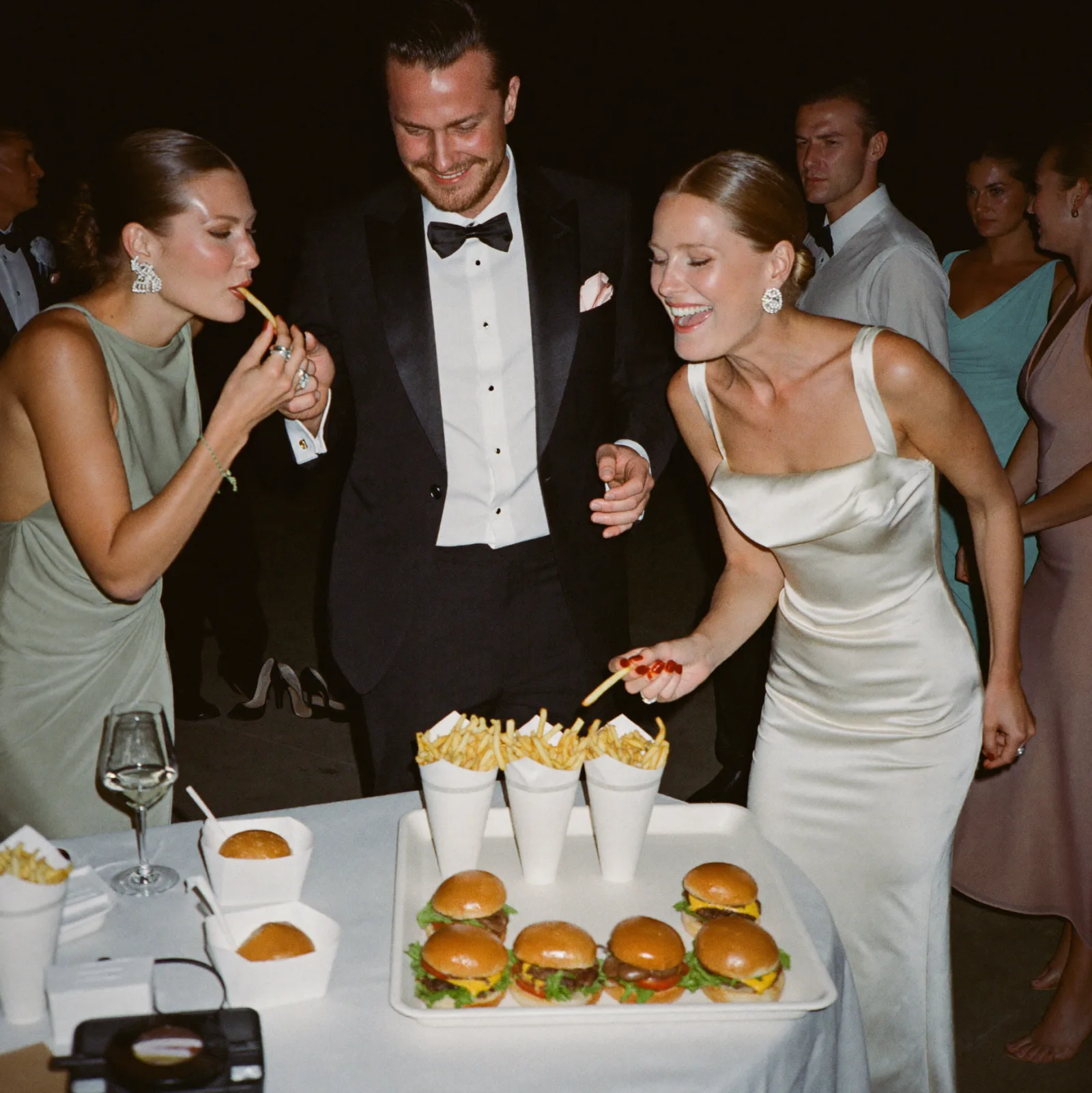
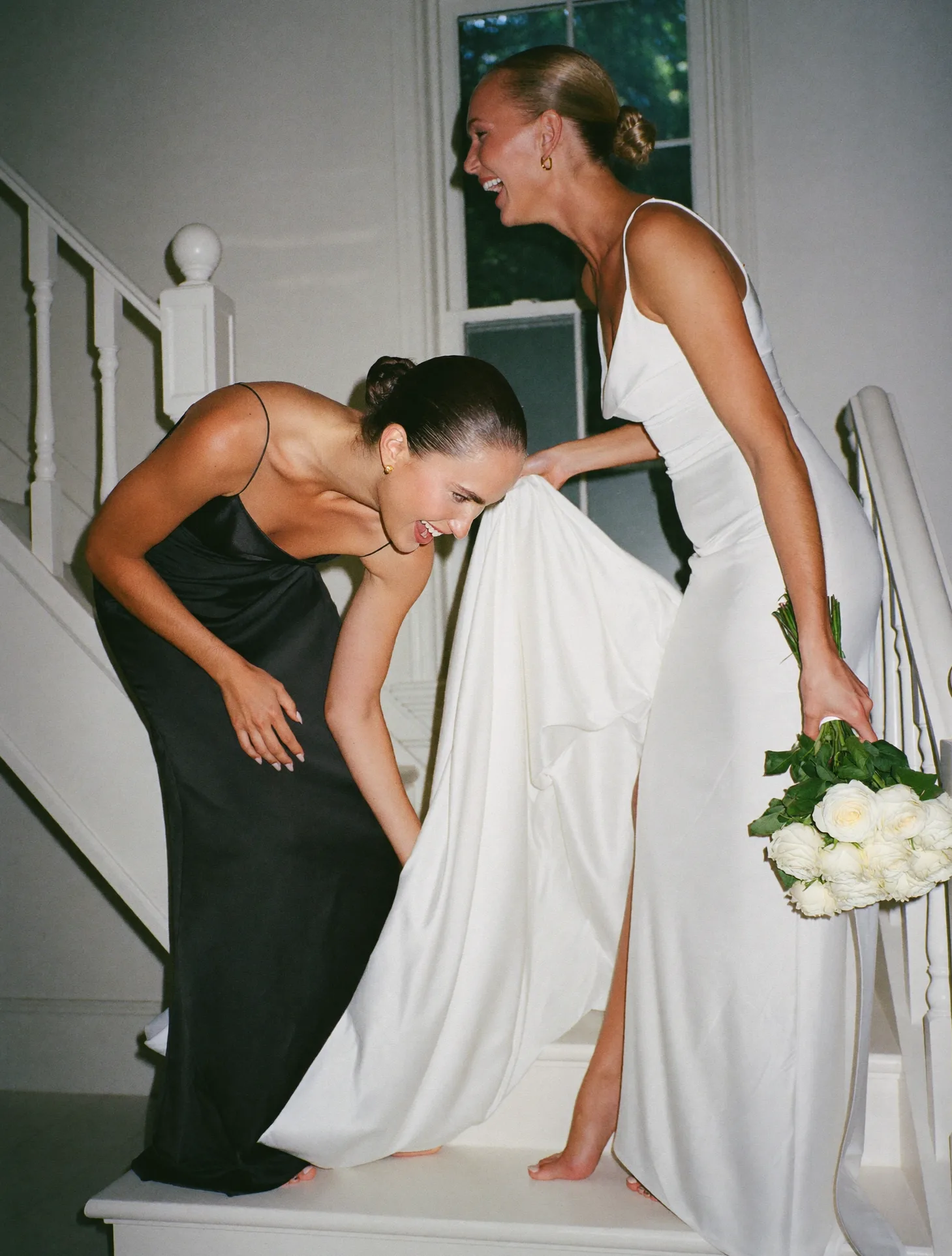
The garden, the staircase, the dance floor, the late-night fries. Guests scan one QR code and add photos and videos from the phone browser, no app and no account.
Scan to join the album
No app, no account
UPLOADING
THE ALBUM
June 21, 2026
647 photos · 95 guests
Some venues quote a package price, others a food and beverage minimum. Some include tables and chairs, others charge for each one. This short video walks through how to compare them on equal terms. Watch it, then build your all-in totals for the tool.
Watch on YouTube (4:49)Alaska summer wedding with midnight sun. Guests were uploading at 11pm and the photos still had daylight in them lol. Unique album for sure. Every photo looks golden
Set it up in the arvo before the ceremony, took maybe ten minutes. Didn't think about it again until the next morning and the album was already full. Too easy
Fall foliage wedding (yes we planned our entire wedding around leaf season and it was worth it). The photos from our guests are so colorful, every single one could be a postcard. Downloaded the ZIP and now have the best desktop background rotation of my life
What couples ask while they choose between venues: how to compare quotes, how many to tour, minimums, service charges and when to book.
Get an itemized quote from each venue for the same guest count, then turn every quote into one all-in total: rental or site fee, food and drink minimum, service charge, tax and rentals. Put those totals next to capacity, catering rules, parking, rooms and your own rating. The free tool on this page lays out up to four venues side by side and scores each one out of 100.
Right here. Enter each venue in the comparison tool at the top of this page and pick its setting (indoor, outdoor or both), catering (in-house, BYO or either), parking and accommodation. The table lines the venues up row by row and the amenities count for 30 of the 100 points. It runs in your browser, needs no sign-up and does not save between visits, so take a screenshot when you are done.
Most couples tour a handful. In WeddingPro's venue selection study, couples contacted five venues on average and toured four in person before deciding. Four also fits the tool, which compares up to four venues at once.
The site fee is what you pay to use the space for a set number of hours. The food and beverage minimum is the least you must spend on catering and drinks, and it is almost always stated before tax and service charge. Some venues charge both, others waive the site fee on a package. If the site fee looks low, check the minimum.
Not always. A service charge is set by contract and usually runs 18 to 25 percent of the food and drink total. Some venues pass part of it to staff, others keep it to cover costs, and gratuity may be added on top. Ask the venue to explain it and put the answer in writing.
Couples usually book the venue first, typically 11 to 14 months before the wedding, according to WeddingPro. Expect a deposit at signing, often 25 to 50 percent of the total, so compare the contracts before you pay.