Wedding Day Timeline Templates 2026: Hour-by-Hour Schedules That Actually Work
Steal these proven wedding day timelines for 50, 100, and 200-guest weddings. Hour-by-hour plans with buffer times, vendor cues, and QR photo prompts for max guest engagement.
A flawless wedding day starts with a realistic timeline - not a minute-by-minute fantasy. Use these hour-by-hour templates (with built-in buffer time) to keep everything smooth, relaxed, and unforgettable. Each includes QR photo prompts to turn guests into your photo team.
1How to Use These Timelines
Add 10-15% buffer to each section - things always run long
Share the timeline with vendors a week before your wedding
Assign a point person (or coordinator) to keep time
Print mini timelines for wedding party + parents
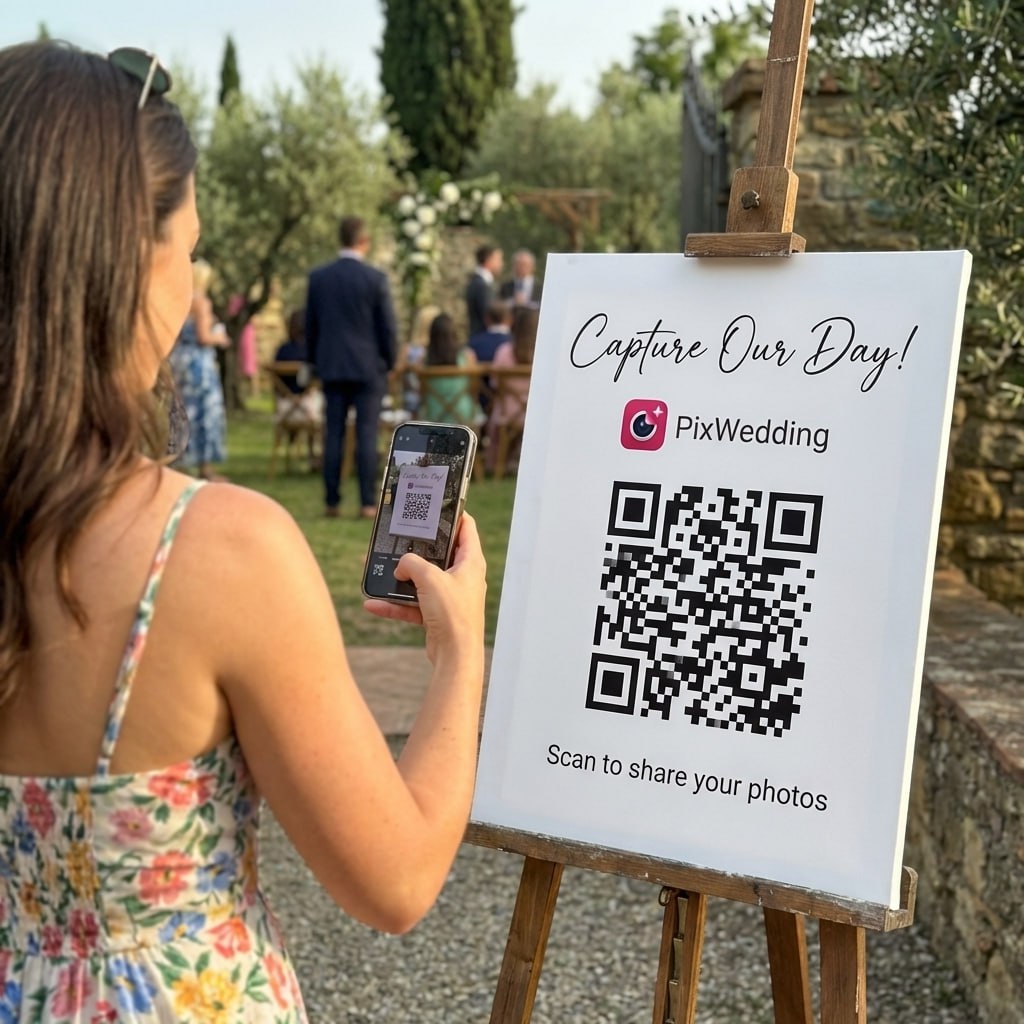
Place Pix Wedding QR signs early so uploads start at arrival
Venue - power, lighting, and weather backup confirmed
6QR Prompts That Increase Uploads by 3×
Welcome table: ‘Scan to share arrivals + outfit pics’
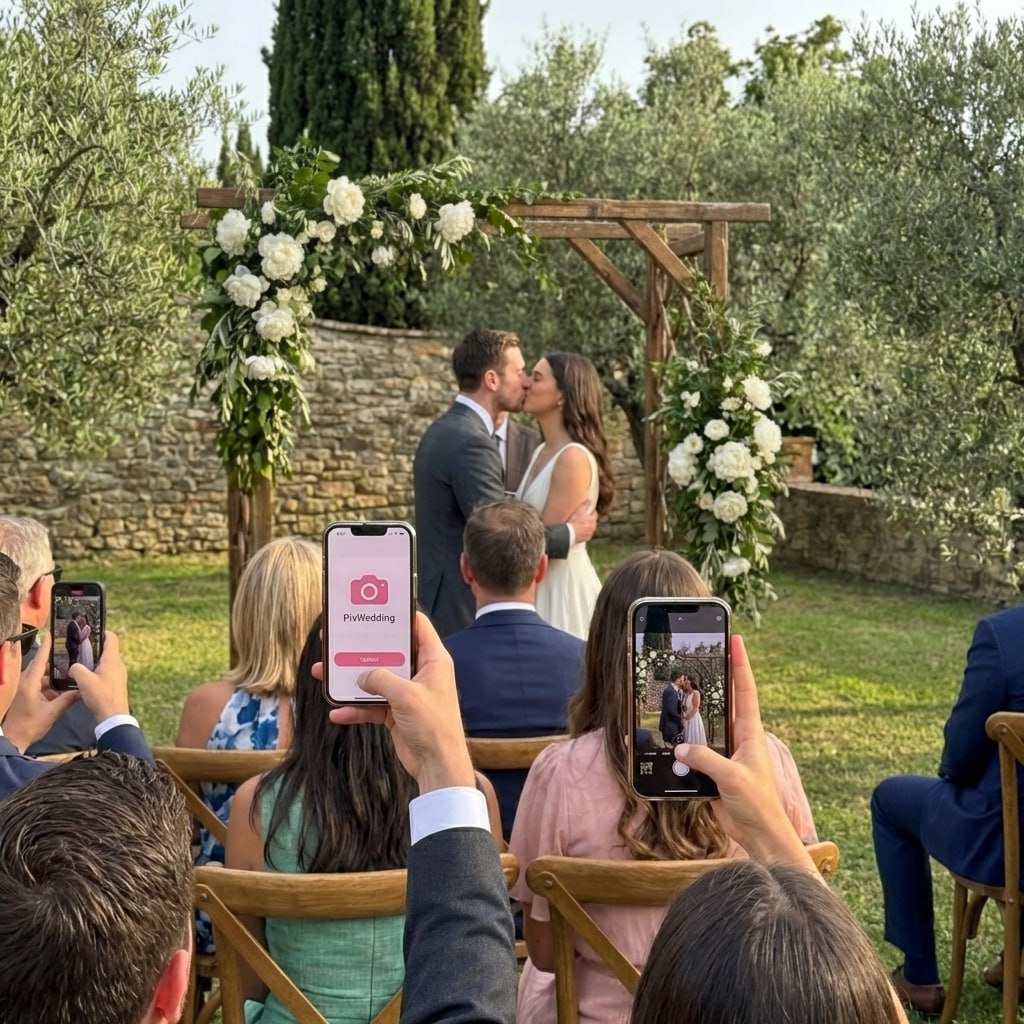
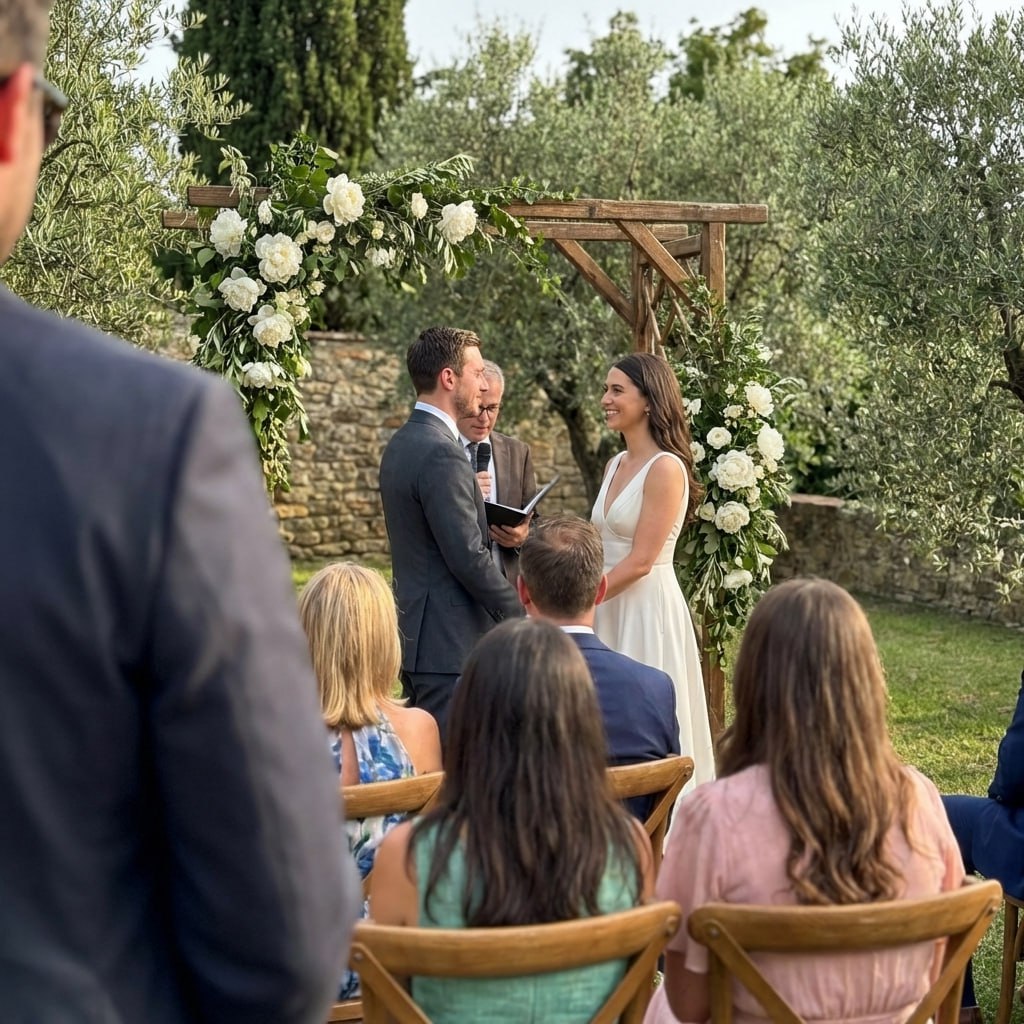
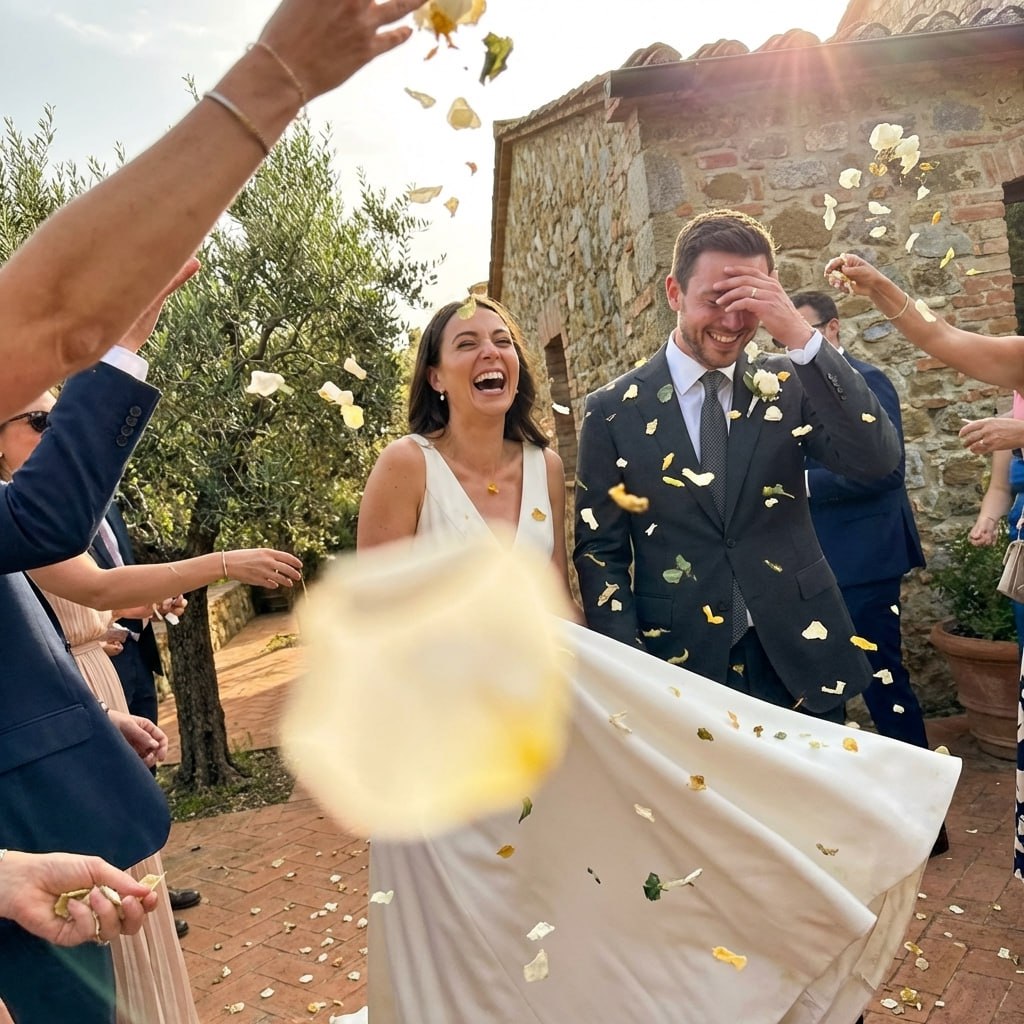
Ceremony exit: ‘Share your aisle angle!’
Cocktail hour: ‘Best candid wins a prize’
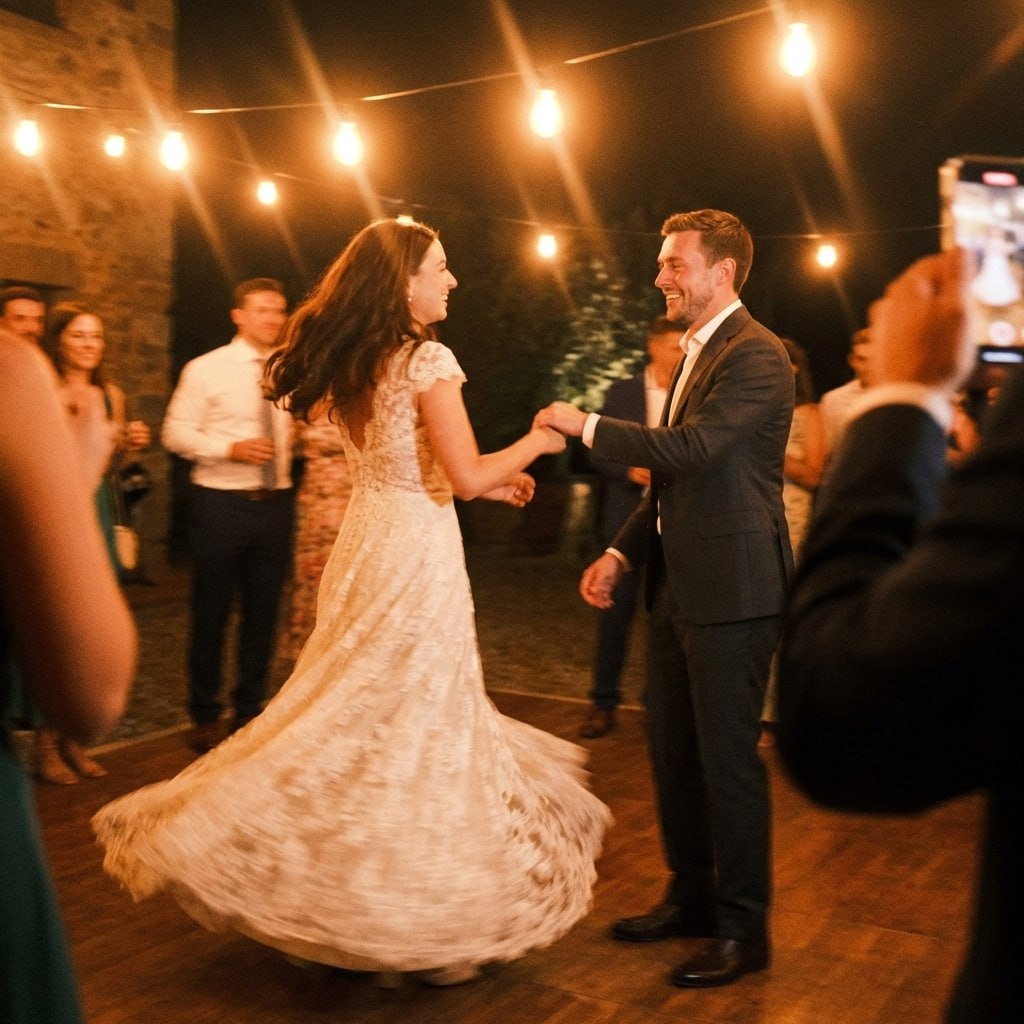
Dance floor: ‘Post your best 10-sec clip’
Dessert: ‘Snap the sweetest shot’
7The Timeline Safety Net
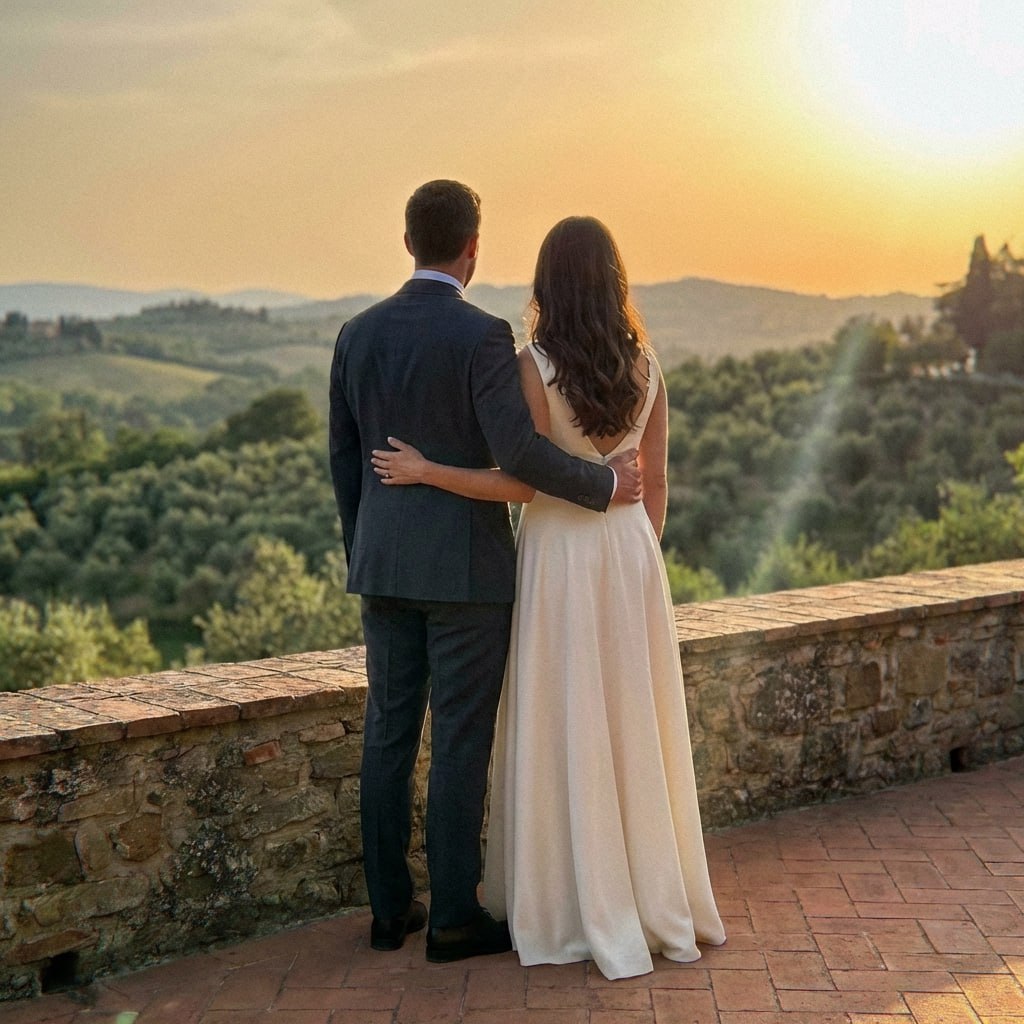
No timeline survives first contact with real life. Protect the moments that matter by anchoring around ceremony start, dinner service, and your golden-hour portraits. Everything else flexes.
8Make It Effortless with Pix Wedding
Place Pix Wedding QR displays at the welcome table, bar, and DJ booth. Guests scan and upload instantly - no apps - and your live album powers a reception slideshow. Original-quality downloads after.
Ready to lock your schedule? Create your album at pix.wedding and drop these QR prompts into your timeline. Relax - your day now runs itself.
9The Moments Your Timeline Must Protect (Most Planners Forget These)
Every timeline template covers the obvious milestones. The moments most planners underprotect are the transitional ones. These transitions, when rushed, create a cascade of delays that push the entire second half of the reception back.
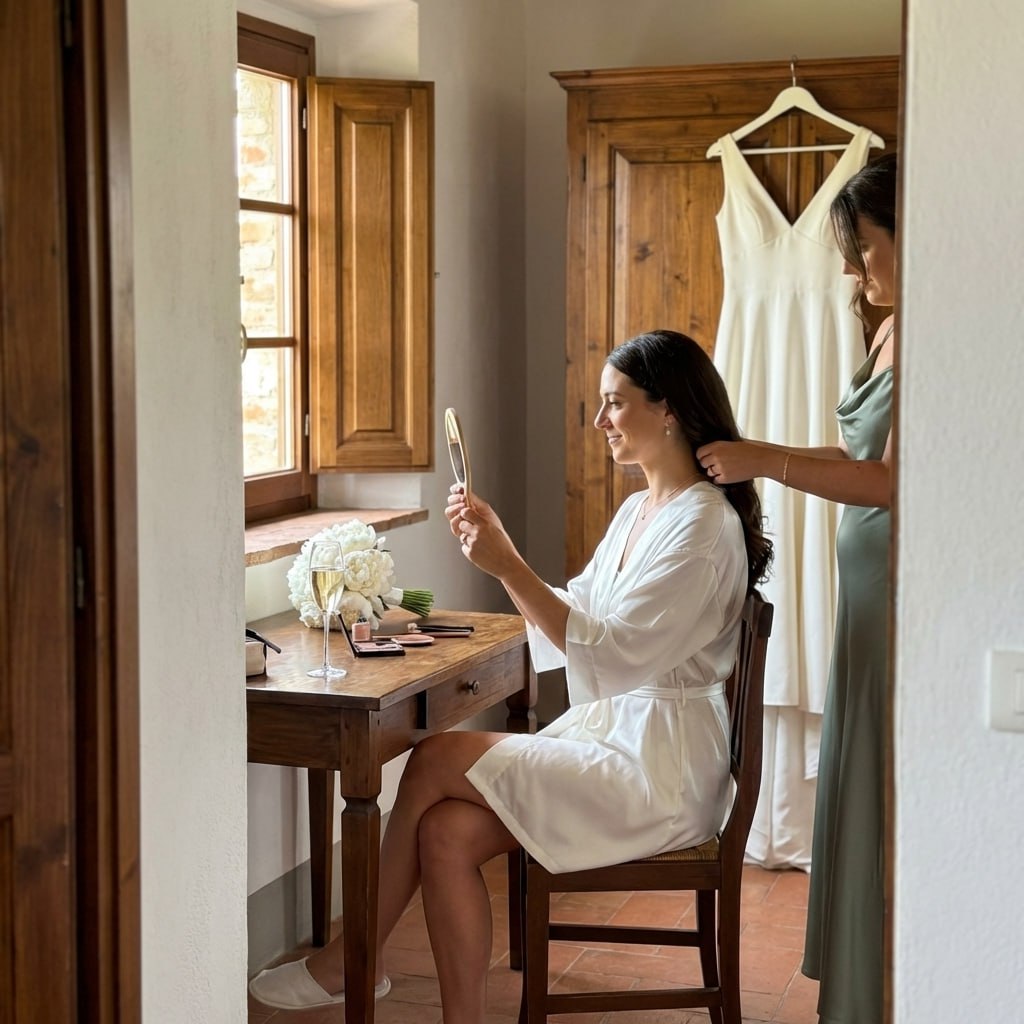
Dress buttoning or lacing: this can take 15 to 25 minutes for complex ballgowns. It is emotional and tactile and cannot be rushed. Block it separately from "getting dressed."
The family photo cluster immediately after the ceremony: a 20-person family portrait sequence without a coordinator actively calling names runs 30 to 45 minutes. With a coordinator calling names, it takes 12 to 15 minutes. The difference is entirely about pre-planning and communication.
Catering changeover between cocktail hour and dinner service: venue staff need to reset tables and confirm seating assignments. The couple typically uses this 15-minute window for private time. Build it in or it gets absorbed by overrunning family photos.
The grand entrance: building 10 to 15 minutes of "arrival energy" before the couple enters, with the DJ building the room and guests finding their seats, creates a dramatically better entrance moment than rushing from the hallway.
10How to Build Your Own Timeline in 20 Minutes
Start with three fixed anchor points: ceremony start time, dinner service start, and venue end time. These are almost always constrained by contracts and cannot move. Build everything else around them.
Write the ceremony start time. Work backward: add 30 minutes for final touches and travel buffer. Add hair and makeup duration (2 to 2.5 hours for the bride plus 45 minutes per bridesmaid). That gives you the getting-ready start time.
Write the dinner service start time. Work backward from there: allow 20 to 30 minutes for the grand entrance and first dances, 60 to 75 minutes for cocktail hour (with a 15-minute family photo window immediately after ceremony), and the gap between ceremony end and cocktail hour start.
Write the venue end time. Work backward: 30 minutes for send-off, 30 minutes for cake cutting and last dances, and you have your late-evening schedule.
Insert the optional first look into the morning block if you choose it. Add 45 to 60 minutes before the ceremony for couple portraits and 30 minutes for wedding party portraits.
Share the completed timeline with your photographer, planner, DJ, catering manager, and venue coordinator at least two weeks before the wedding.
11Common Timeline Failures and How to Prevent Them
After reviewing hundreds of wedding timelines, the same failure patterns appear repeatedly. Almost none of them involve scheduling the wrong amount of time for major events. They involve the transitions and assumptions that templates do not capture.
The wrong person owns the getting-ready timeline. If the bride's getting-ready schedule is managed by the hair and makeup artist rather than the MOH or planner, it will tend to run over because artists want to be thorough, not fast. Assign a time-keeper who is not providing services.
The couple's travel time is estimated by Google Maps. Actual wedding-day travel involves a photographer, a driver, multiple people coordinating exits, and sometimes a dress that requires careful maneuvering. Double your Google Maps estimate.
Family formal photos have no caller. Listing the shots on a piece of paper does not make them happen. Someone must stand next to the photographer with the list and actively call each group's names. Budget 60 to 90 seconds per group when a caller is actively managing.
The grand entrance is scheduled immediately after the couple's cocktail hour portraits. In reality, the couple needs 5 minutes to receive a water and snack, check appearance, and mentally transition from portrait mode to party mode. This buffer disappears when it is not on the written timeline.
The end-of-night send-off has no coordinator managing the exit. Sparkler exits require guests to be in position with lit sparklers simultaneously. Coordinate with your planner or designate a specific person to organize the send-off 15 minutes in advance.
12The 15-Minute Rule for Every Wedding Timeline
Experienced wedding planners use a variation of this rule: every item on the timeline that involves moving people takes 15 minutes longer than you think. Moving the bridal party from the getting-ready suite to the ceremony: add 15 minutes. Moving 150 guests from the ceremony to the cocktail area: add 15 minutes. Moving the couple from cocktail hour portraits to the venue entrance for the grand entrance: add 10 minutes.
Applying this rule consistently adds roughly 45 to 75 minutes of buffer to a typical wedding timeline. This is the buffer that absorbs the hair and makeup overrun, the family photo that took longer than planned, and the guest who needs directions to the reception venue.
Print This and Share It
The one-page timeline that gets used on the wedding day should have no more than 15 to 18 entries. If your timeline has 35 entries, make a version with only the milestone times for distribution. Vendors need the milestones, not every minute of your internal schedule.
FAQ
Frequently Asked Questions
What's a realistic wedding day timeline?
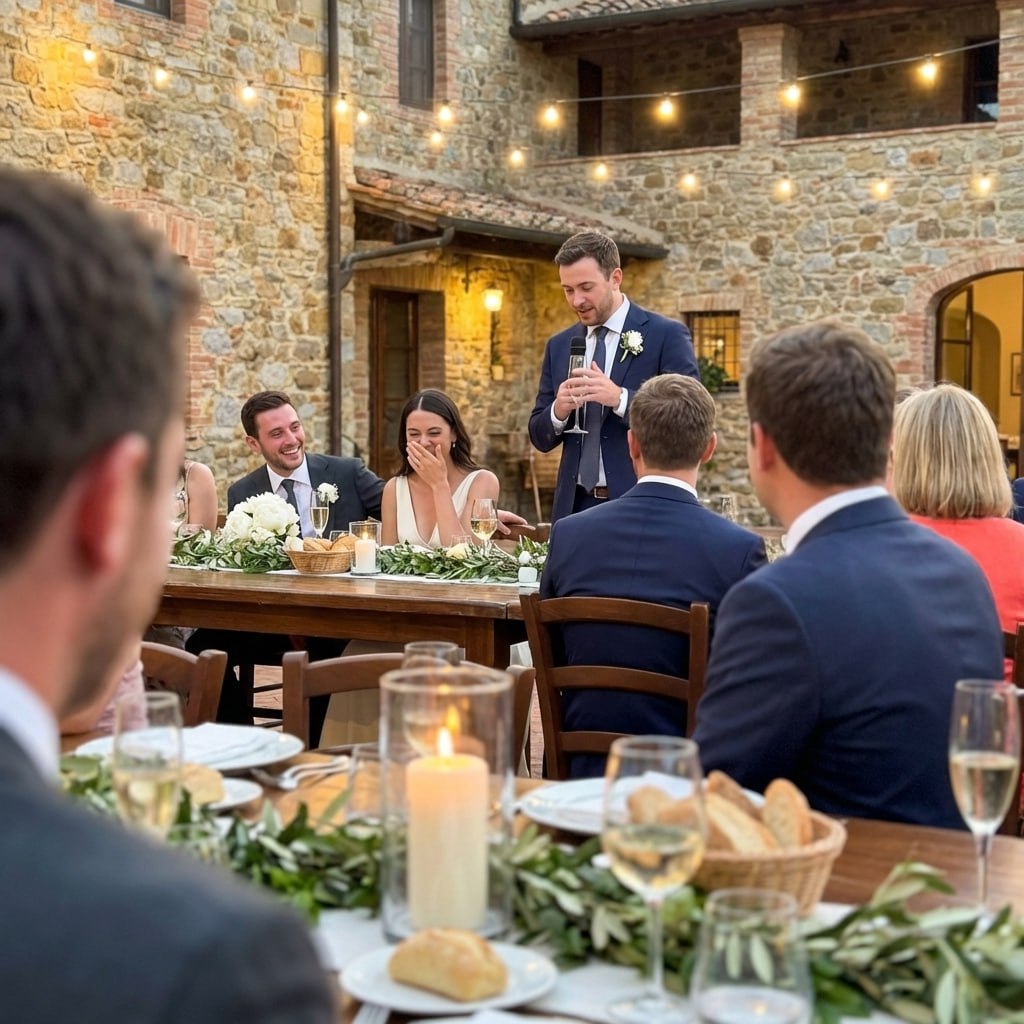
For a 4pm ceremony: 9:30am hair/makeup start, 1pm first look and portraits, 4pm ceremony (20-30 min), 4:30pm cocktail hour, 6pm reception entrance and dinner, 7:30pm toasts and cake, 8pm dancing, 10:30pm grand exit. Always add 10-15% buffer time to each section.
How much buffer time should I add to my wedding timeline?
Add 10-15% buffer to each section. For a 30-minute ceremony, plan 35 minutes. For 1-hour dinner, plan 1 hour 10 minutes. Things always run long-buffers prevent stress and rushed moments. Build in extra time for family photos and sunset portraits.
When should I set up wedding QR codes for photos?
Place Pix Wedding QR codes before guests arrive. Include in timeline: setup at 3:30pm (30 min before ceremony), QR prompt announcement at 5pm (during cocktail hour), and 8pm (before dancing). DJ should announce the system 2-3 times for maximum photo collection.
How does QR code photo sharing work at weddings?
Guests scan a QR code placed on tables or signs with their phone camera. It opens a browser page where they can upload photos and videos directly to your private album. No app download or account creation needed.
Can guests upload photos after the wedding day?
Yes. With Pix Wedding, your QR code stays active for 12 months. Guests can continue uploading photos and videos long after the celebration, so you never miss a memory.
What is the best way to share wedding photos with guests?
A private QR code album is the easiest method. Place QR codes on tables, in the welcome area, and on signage. Guests scan, upload, and you get every perspective in one gallery.
Collect Every Photo From the Day You Just Scheduled
Once your timeline is set, set up Pix Wedding so every moment on it, from getting-ready to the grand exit, gets captured by your guests too. No app needed.