
Order of a Wedding Reception
The complete reception run-of-show from grand entrance to send-off, plus how the ceremony and cocktail hour lead into it. Use this as your master reference, then dig deeper on any single moment with the linked guides below.
What is the order of a wedding reception?
The standard order is: cocktail hour, grand entrance, first dance, welcome toast, dinner, speeches, cake cutting, parent dances, an optional bouquet and garter toss, open dancing, a last dance, and a send-off. According to The Knot's reception timeline guide, most receptions run this full sequence in roughly 4 to 5 hours after the ceremony ends, with open dancing taking up the largest single block of time.
A handful of pieces are genuinely flexible rather than fixed. Whether the first dance happens right after the entrance or later once dinner is done, whether cake cutting happens mid-meal or mid-dance-floor, and whether the bouquet toss survives at all, all come down to preference. The backbone (entrance, one dedicated meal, one toast, open dancing, a send-off) is what actually holds every version together.
How This Page Fits With the Rest of Your Planning
This page is the master reference for the full reception run-of-show, every stop from grand entrance to send-off in one place. The linked guides below go much deeper on a single segment: the exact sequence and song choices for every dance, the speaking order and scripts for every toast, and the specific ways couples stage the entrance itself. Use this page to see how those individual pieces fit into the whole night, then click through to the relevant guide once you are ready to plan that one moment in detail.
A Sample Run-of-Show (5:00 PM Start)
This assumes cocktail hour starts around 5:00 PM, right after the ceremony. Shift every time forward or back to match your own start time; the gaps between stops are what matter, not the exact clock numbers.
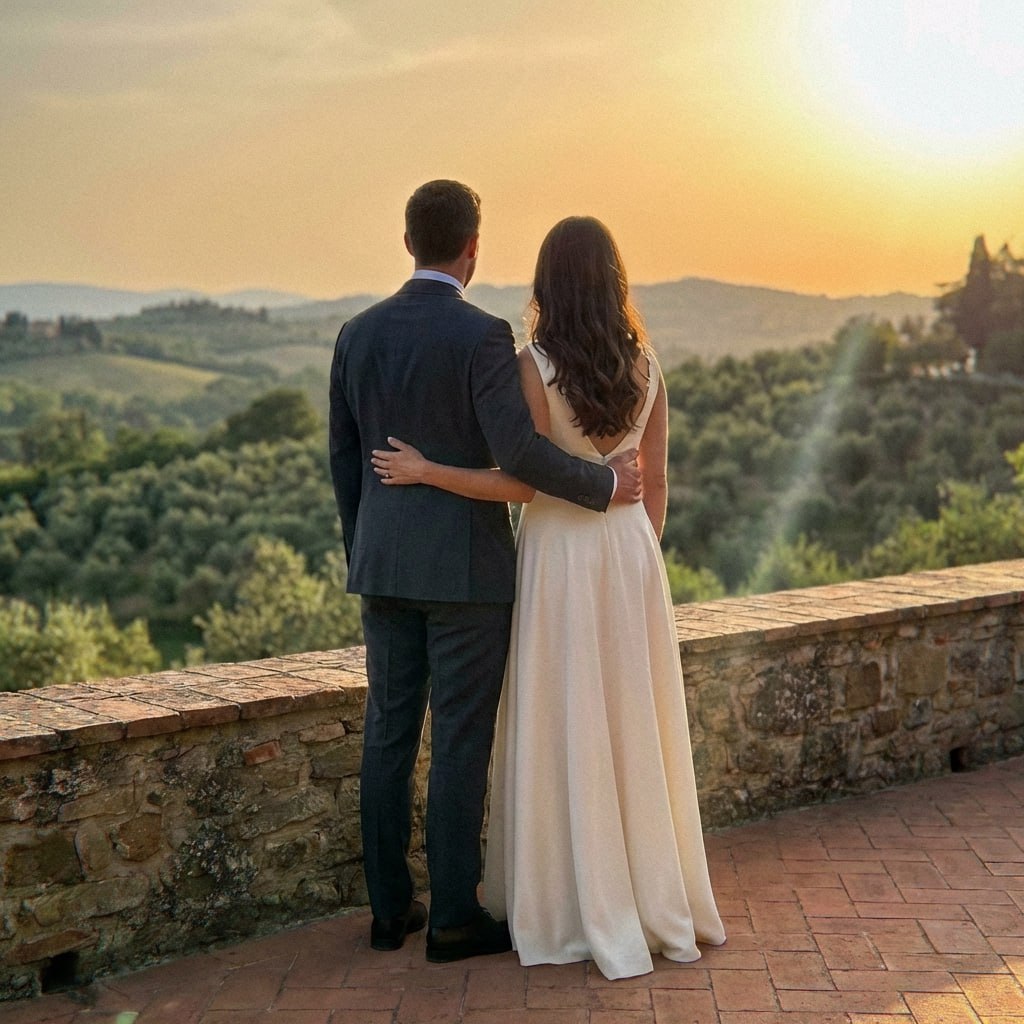
First dance
You guys!!
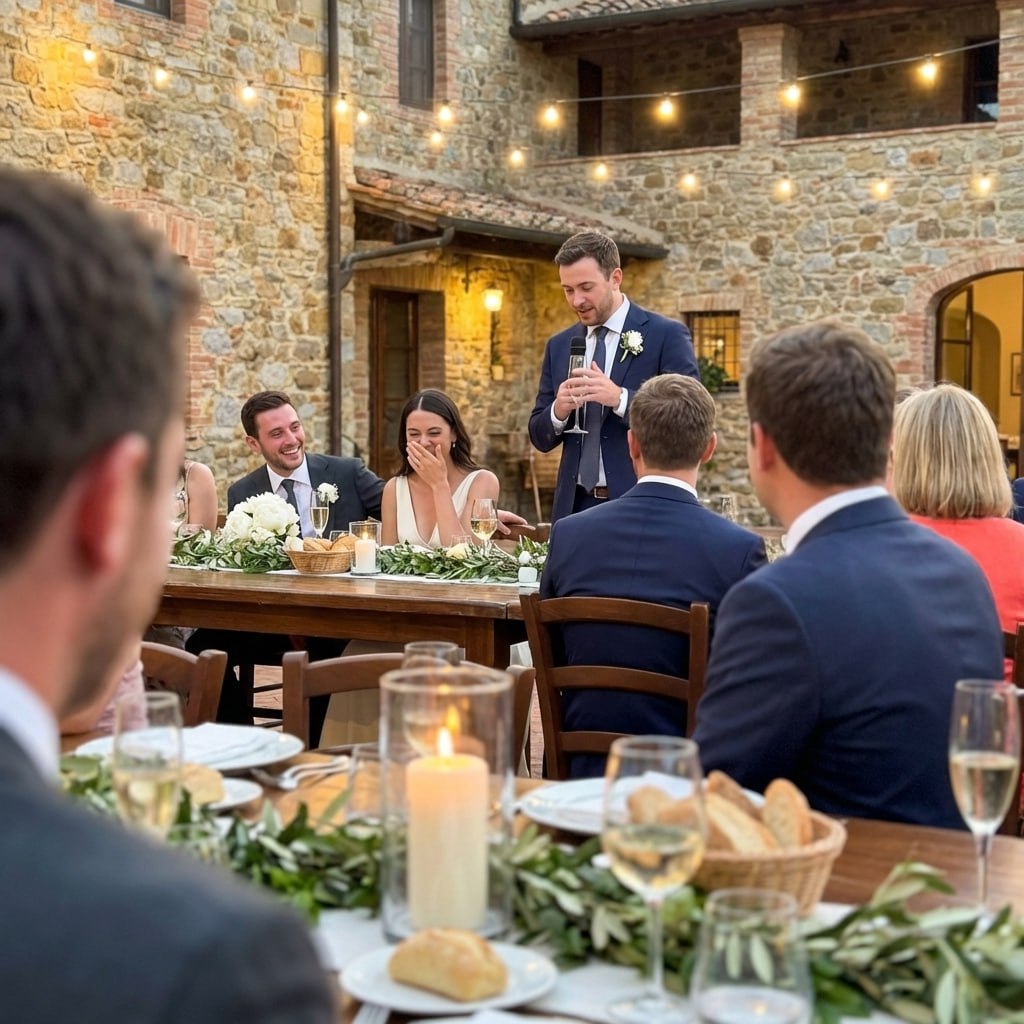
Every stop on that timeline is a photo opportunity
From the grand entrance to the send-off, guests capture angles your photographer physically cannot be in two places for. A QR code on each table sends every shot to one shared album automatically.
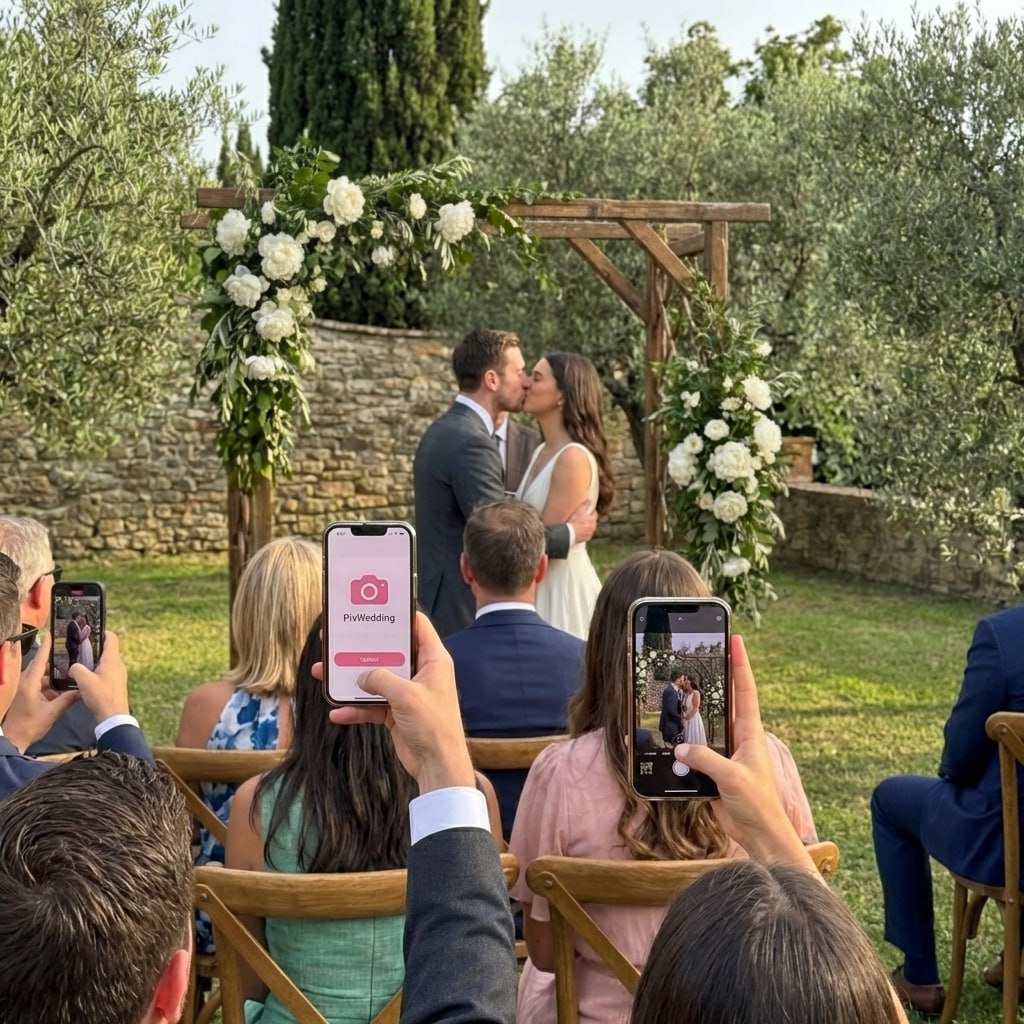
From Mom
Scan to join the album
No app, no account
UPLOADING
Saving your moment
THE ALBUM
Emma & Jack
June 21, 2026
647 photos · 95 guests
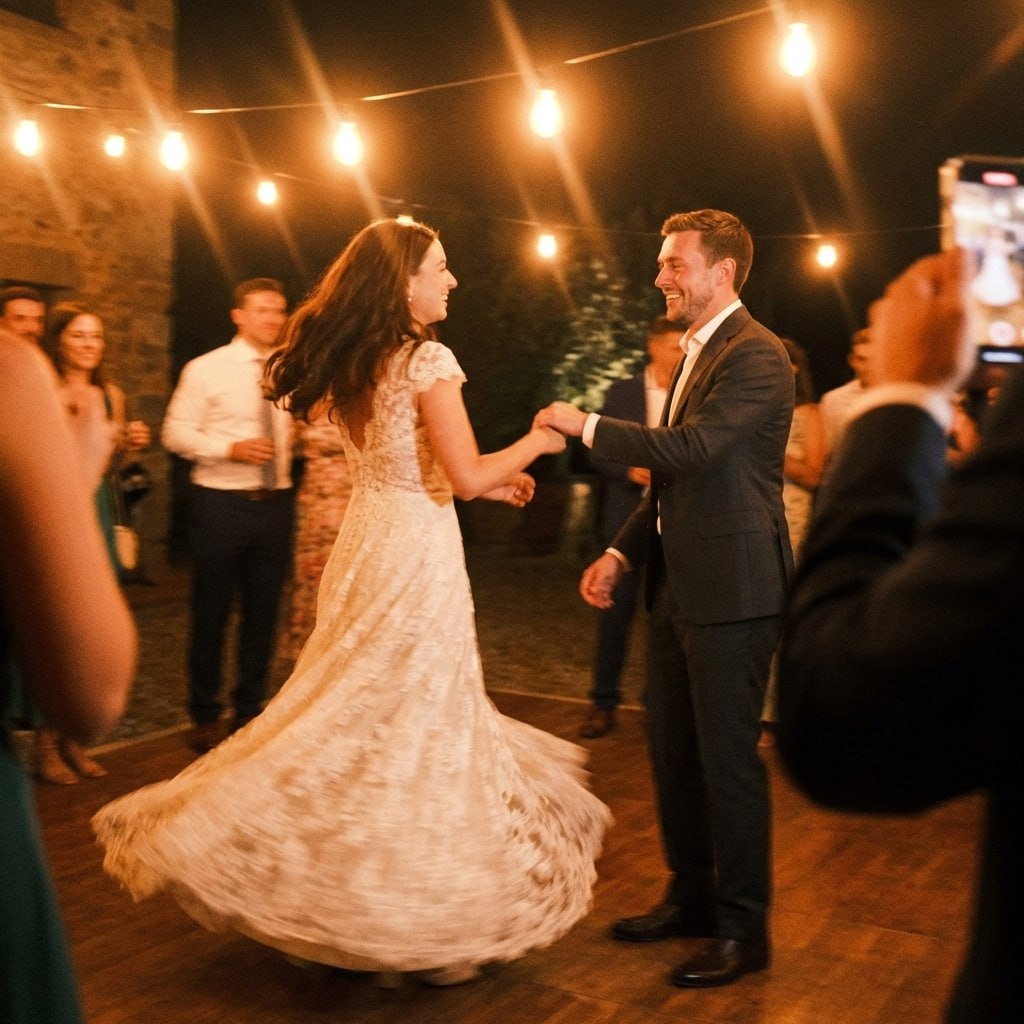
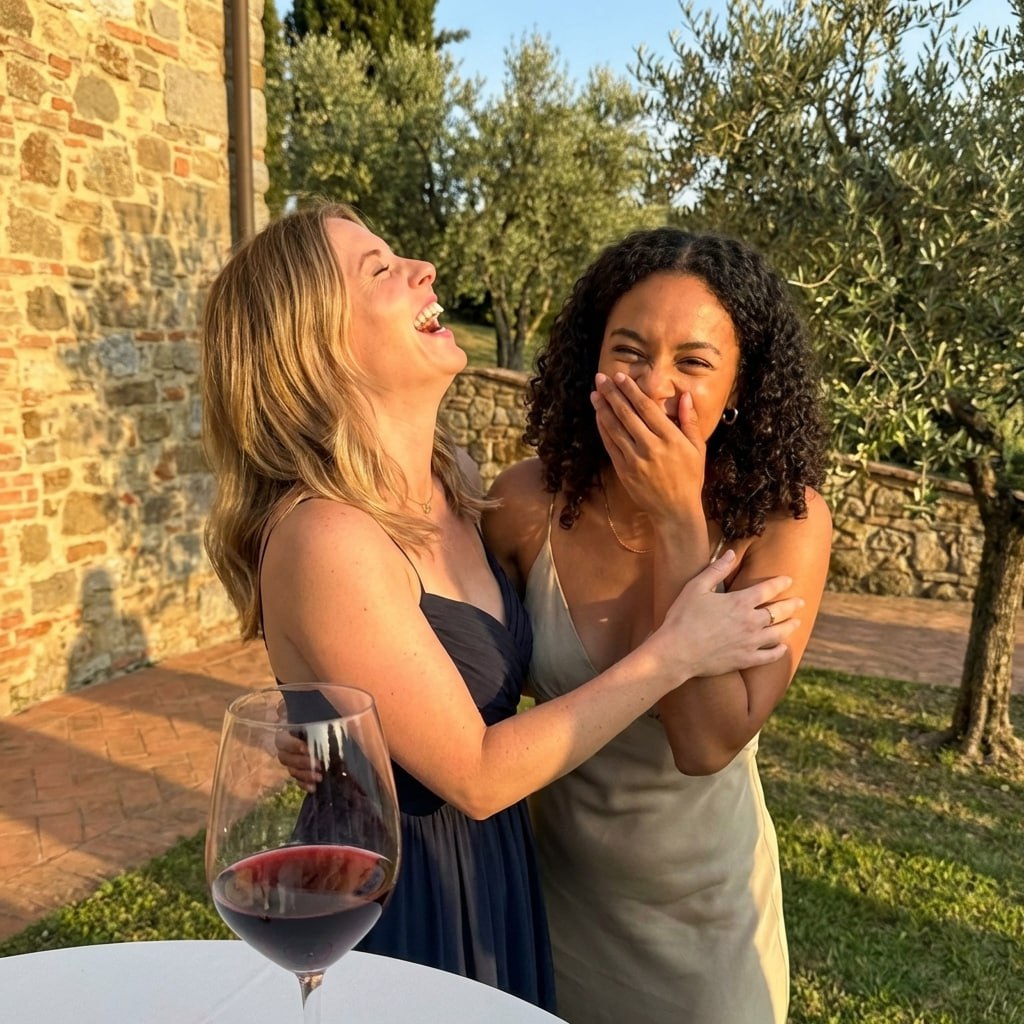
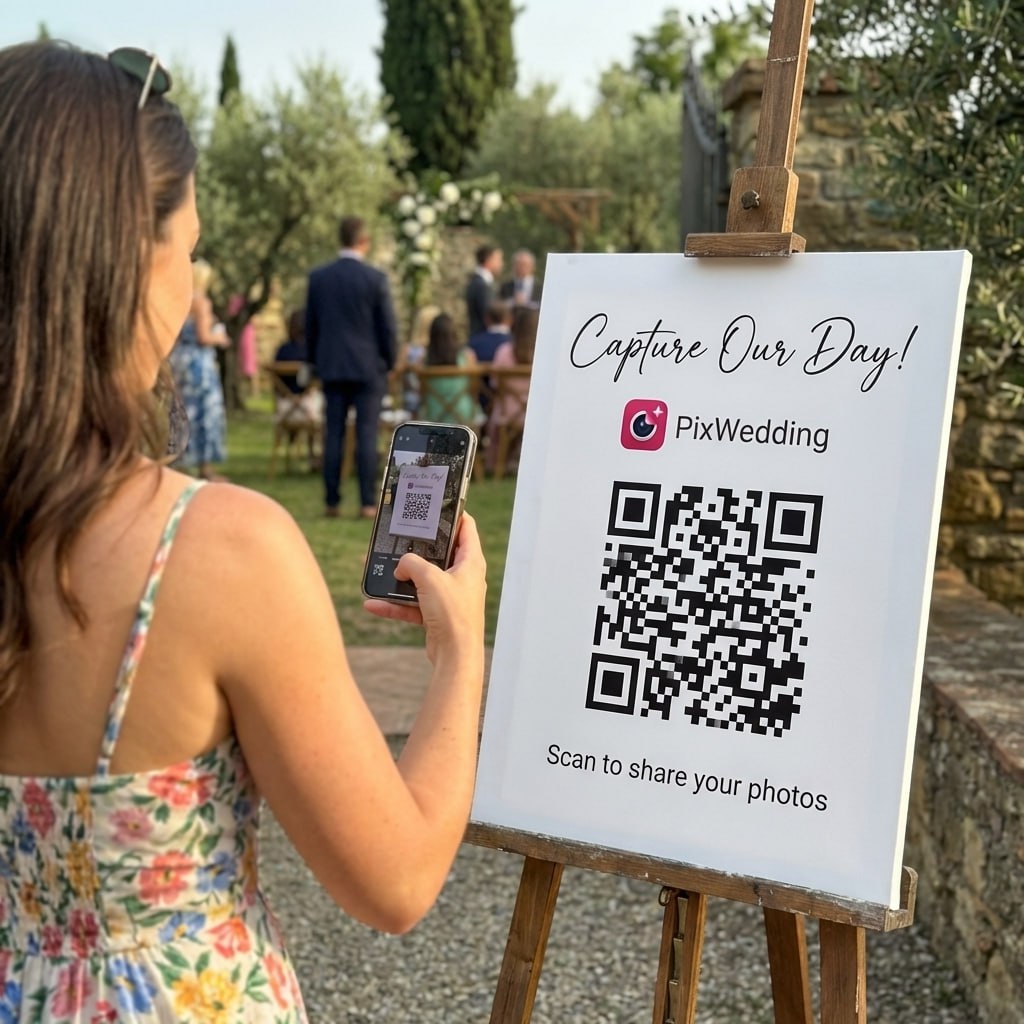
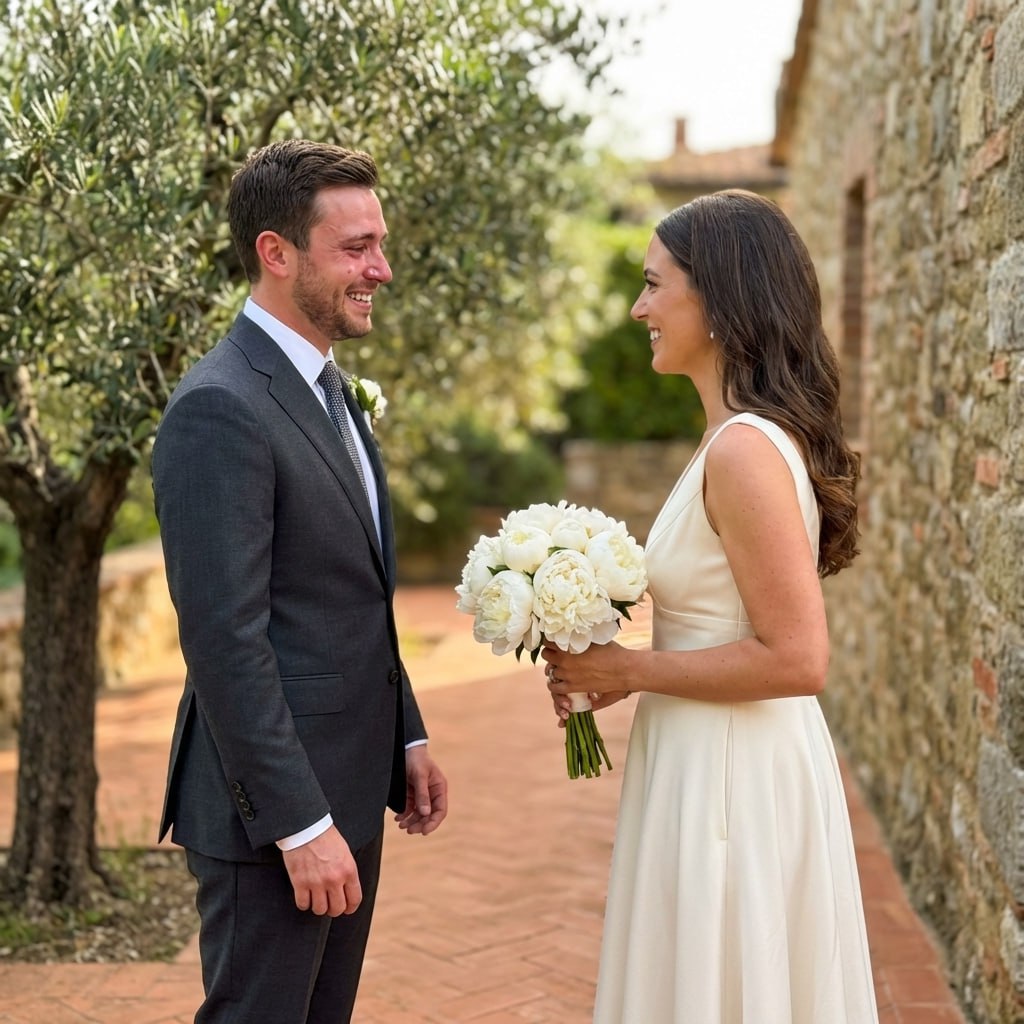
SCAN TO TRY
pix.wedding/
your-wedding
Traditional vs Modern: Where Each Moment Falls in the Order
Neither order is more correct. The traditional flow front-loads formal moments right after the entrance; the modern flow spreads them out so the room is never sitting through a long block of scheduled events in a row.
| Moment | Traditional Order | Modern Order | Why It Moves |
|---|---|---|---|
| Entrance | First reception event, DJ announces full wedding party by name | Couple mingles in during cocktail hour, no formal announcement | Removes a scripted, sometimes stressful moment for couples who dislike being the center of attention |
| First dance | Immediately after the entrance, before anyone sits down | Moved after dinner, once the room is relaxed and the floor is already warm | Higher guest energy and more people actually watching |
| Toasts | One dedicated block right after dinner, MC introduces each speaker | Spread between courses so the meal keeps moving | Avoids a long seated block with nothing but talking |
| Cake cutting | Formal ceremony with its own announcement, often mid-evening | Quick photo moment folded into the start of open dancing, or a dessert table instead | Cuts a stand-alone segment out of the schedule |
| Bouquet and garter toss | Scheduled block, single guests called to the floor by the MC | Replaced with an anniversary dance or dropped entirely | Some couples and guests find the tradition uncomfortable |
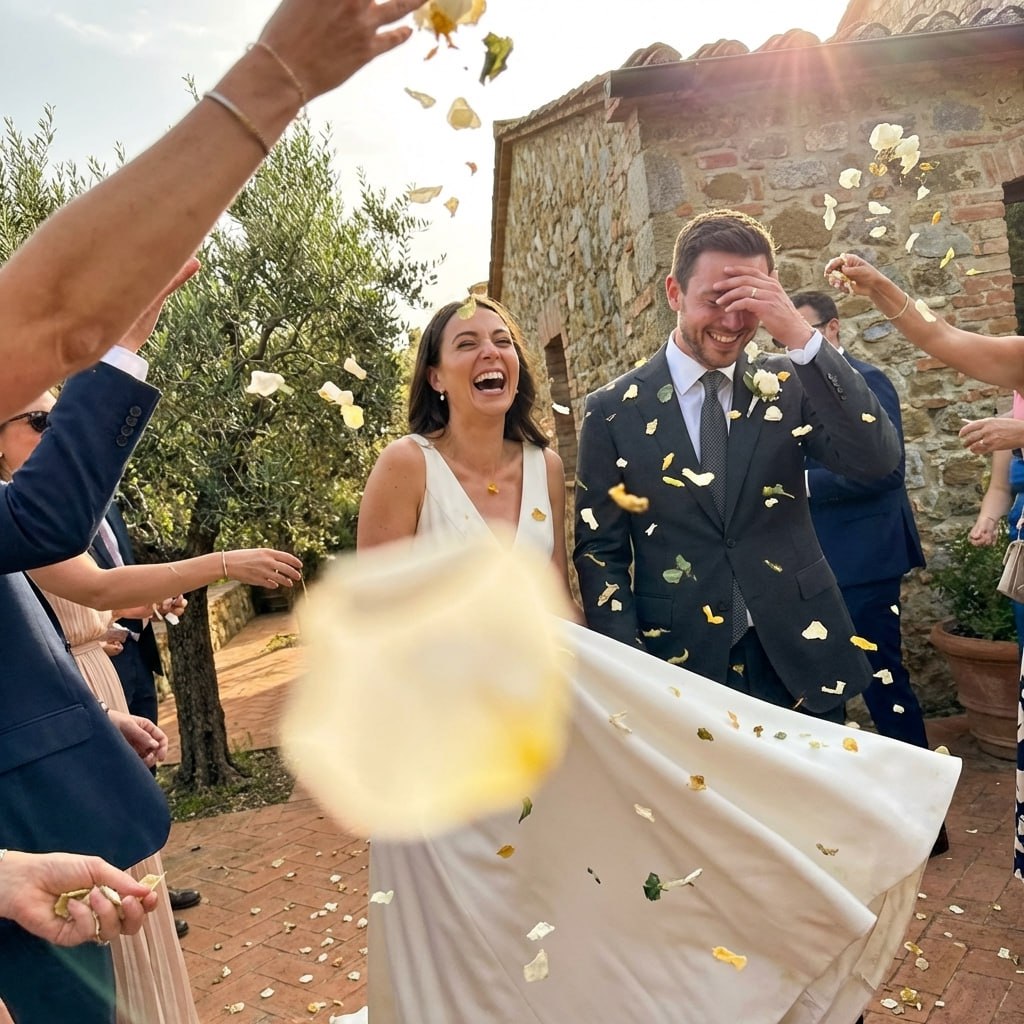
| Send-off | Rice, birdseed, or bubbles as the couple heads to the car | Sparkler or cold-spark tunnel, timed for photos and video | More photogenic and easier for guests to film |
Dinner Style Shifts the Whole Order
The single biggest lever on the timeline above is not any one event, it is how dinner is served. Choosing plated, buffet, or family style changes how much time everything after the entrance needs, and often changes when speeches and cake cutting can happen at all.
Plated
60-90 minThe most formal option and the slowest, since every course is served table by table. Speeches usually happen between courses since the room is seated and quiet. Best for smaller guest counts or a more traditional feel.
Buffet
45-60 minFaster than plated but tables are dismissed in rounds, so there is a natural lull while people are up and moving. Many couples schedule the welcome toast right before releasing the first tables.
Family-Style
50-70 minPlatters shared at each table keep everyone seated the whole time, similar in pace to plated but slightly faster. Good middle ground for couples who want a relaxed, less formal dinner without buffet lines.
6 Common Timing Mistakes
Always add 15-20 minutes between the ceremony end and cocktail hour start for the recessional, receiving line, and transition.
Cap speeches at 3-5 minutes each and limit to 3-4 speakers. Have the DJ gently cue speakers who go overtime.
Guests get cranky when hungry. Aim to start dinner within 90 minutes of ceremony end, even if it means a shorter cocktail hour.
Break up formalities with dancing. Do the entrance and first dance, then dinner, then speeches, then cake cutting with dancing in between.
If ceremony and reception are at different locations, add 30-45 minutes for guest travel plus parking.
By the time cake cutting happens past 9:00 PM, some guests (especially older relatives and families with young kids) have already left. Cut it within the first 30-45 minutes of open dancing.
If the Ceremony Runs Late
A ceremony starting even 15 minutes late pushes the entire reception timeline back unless something is actively compressed. The easiest place to absorb a delay is cocktail hour: shortening it from 60 to 45 minutes rarely bothers guests, since most are mingling anyway. The hardest place to absorb it is dinner service, which runs on the kitchen's own fixed pace. If a delay looks likely, tell the caterer as early as possible so they can adjust plating timing rather than finding out once the room is already seated and waiting.
The safer overall approach is to build a small buffer into the schedule from the start rather than relying on catching up later. A reception timeline with zero slack looks efficient on paper but breaks the moment any single vendor runs a few minutes behind, which is common on a day with this many moving pieces.
Cultural and Religious Variations
The order above reflects a common Western reception pattern, but it is far from the only one. Many families build in a specific ritual dance, a tea ceremony, a money dance, or a receiving line that never appears on a generic template at all. If your family or culture has its own reception tradition, treat it as a fixed anchor point on the timeline the same way this page treats dinner service or the first dance, and build the rest of the schedule around it. Ask a parent or elder who has planned or attended a similar celebration how long that specific tradition typically runs. The answer varies by region and family practice in a way no general guide can responsibly estimate on your behalf.
What to Cut for a Short (2-3 Hour) Reception
Elopement receptions, weekday weddings, and venues with strict end times often only have 2 to 3 hours total. You cannot run the full 13-stop timeline above, so use this framework to decide what stays.
Never cut
- One entrance moment, formal or a simple mingle-in
- Dinner or a substantial food service
- One toast or welcome moment
- A send-off, even a simple one
These four anchor the night. Guests notice immediately if any of them is missing entirely.
Combine instead of cutting
- Merge welcome toast and blessing into a single 2-minute moment
- Combine father-daughter and mother-son dances into one song
- Fold speeches into dinner service instead of a dedicated block
You keep the tradition but remove a separate scheduled segment.
Compress, do not cut
- Cocktail hour down to 30 minutes if photos happened before the ceremony
- Open dancing capped at 45-60 minutes instead of 2+ hours
Open dancing is consistently the most attended part of a reception; shrink it before you cut it.
Cut first
- Bouquet and garter toss
- Formal receiving line
- Elaborate cake-cutting ceremony (serve dessert plated instead)
- A second choreographed dance or reception game
These add real time but have the least impact if guests never see them at all.
Illustrative example: a 2.5-hour reception
A hypothetical worked scenario, not a real couple's actual event: 6:00 PM cocktail hour (30 minutes), 6:30 PM guests seated with a combined welcome toast and blessing, 6:35 PM family-style dinner with two short toasts during the meal, 7:15 PM first dance straight into open dancing with no parent dances or toss, 8:15 PM cake served buffet-style while dancing continues, and an 8:30 PM casual send-off.
DJ and MC Coordination Tips
Your DJ or MC drives the entire reception flow. These six tips help ensure smooth transitions between each stop on the timeline.
Email a detailed document with exact times, song choices, and the order of announcements. Include pronunciation guides for all names in the bridal party.
Your MC or wedding planner should be the single point of contact on the day. Do not have several people giving the DJ conflicting instructions.
Just as important as the playlist. Be specific about genres, artists, or songs you absolutely do not want played. Most DJs respect this more than a play list.
Cocktail hour is low and conversational. Dinner is medium background. Speeches need near-silence. Dancing starts strong and builds. Map volume and energy to each phase.
Write out exactly what the MC should say for the grand entrance, first dance introduction, and parent dances. Do not leave this to improvisation.
Agree on the last song time and the exact send-off moment. The DJ should start winding down 15 minutes before the hard stop with slower songs.
When to Keep a Tradition vs When to Skip It
Separate from the time-budget framework above, here is how to decide whether a specific tradition belongs in your order at all.
Keep it if
- The tradition genuinely matters to you, your partner, or a family member, not just because it is expected
- You have willing, comfortable participants (a garter toss with a reluctant bridal party rarely lands well)
- It fits your venue and timeline without pushing dinner or dancing too late
Skip it if
- You are only including it out of obligation and neither of you is excited about it
- It singles out guests (single friends, older relatives) in a way that makes them uncomfortable
- Your timeline is already tight and every extra 10-minute segment pushes dancing later
Venue and Weather Contingencies
Outdoor and tented receptions need a second version of the timeline for weather. Build a rain plan for cocktail hour first, since that segment is most likely to happen outside, and confirm with the venue coordinator exactly how much notice they need to move tables or open an indoor backup space. If the ceremony and reception happen at two different locations, add a real transportation buffer (15 to 30 minutes depending on distance) rather than assuming guests arrive the moment the reception doors open. Venues with a hard end time, many have a 10 PM or 11 PM cutoff tied to noise ordinances or staff contracts, should have the send-off scheduled with enough padding to actually finish, not just start, before that cutoff.
Timing Around Golden Hour Photos
If portraits are happening during cocktail hour rather than before the ceremony, check what time the sun sets on your wedding date and try to schedule at least part of that photo window in the hour before sunset. That golden-hour light is the reason many photographers ask to build a short couple's portrait session into cocktail hour even when a first look already happened earlier in the day.
This is one of the few places worth protecting even if the rest of the timeline is running behind. A 10 to 15 minute step-away during cocktail hour or right at the start of open dancing is usually enough, and your photographer can tell you the exact window once you share your ceremony time and location.
Reception Duration by Guest Count
Larger weddings need more time for dinner service and transitions. Use these as baseline estimates, not fixed rules.
Buffer Time Quick Reference
Every transition on the timeline needs a small cushion. Stacking events back to back with zero gap is the single most common way a reception timeline drifts behind schedule. Use these as starting buffers and adjust for your own venue.
Vendor Timeline Checklist
Make sure every vendor has the right information at the right time.
Full timeline, song list, pronunciation guide, do-not-play list, energy level notes per phase
Shot list, family photo combinations, timeline with key moments highlighted, sunset time for golden hour
Exact dinner start time, meal type (plated/buffet), dietary restrictions count, cake cutting time
Full timeline, room flip schedule (if same space for ceremony and reception), bar service hours, end time
Setup time, ceremony and reception layout, bouquet hand-off timing, boutonniere distribution
Key moments list, audio setup for speeches, drone permission (if applicable), special requests
Who Should Own the Timeline on the Day
The couple should not be the ones checking the clock. Whoever is running the day, whether that is a hired coordinator, a venue manager, or a highly organized friend, needs a printed or shared copy of the final timeline and the authority to make small real-time calls (cutting a speech short, moving cake up 15 minutes) without checking with the couple first.
The DJ or band is usually the best-positioned vendor to manage pacing once dinner ends, since they are reading the room continuously. Give them the must-have moments and rough order in advance, then let them adjust the exact minute-by-minute flow of open dancing live. A timeline that is too rigid for the actual energy of the room usually does more harm than good.
A Few More Questions Couples Ask
Do we need a formal receiving line?
Not necessarily. A receiving line lets you greet every guest personally but adds real time, especially at larger weddings. Many couples skip it in favor of visiting each table briefly during dinner or dancing instead.
What happens if the timeline runs late mid-reception?
Cut from the back of the priority list first. Speeches, cake, and the toss are more flexible than dinner service or the send-off. A good DJ or coordinator quietly compresses the optional moments rather than pushing the whole night later.
Should the exact timeline be visible to guests?
A rough outline on the wedding website (ceremony time, reception start, approximate end time) helps guests plan, especially if they are traveling. The minute-by-minute version is for vendors and the wedding party, not a printed program.
Who Actually Captures This Timeline
Your hired photographer covers the formal stops on this timeline (the entrance, the first dance, the cake cutting) but cannot be at every table during dinner, in the hallway before speeches, or on the dance floor from three angles at once. Guests are already holding phones for every one of those in-between moments. A QR code on each table gives them a single place to send those shots instead of scattering them across group chats and social media stories that fade after a day.
Go Deeper on One Moment
Your Timeline, Fully Documented
Set up a shared album once, and every guest at every stop on this timeline has a way to send you what they captured.
Get Started FreePlanning the Full Wedding Day Flow
The order of your wedding reception depends on your venue's availability window, the ceremony style, how many formalities you want, and personal preference. The sample timeline above assumes cocktail hour starts around 5:00 PM, which is common for a mid-afternoon ceremony, and a roughly 5-hour total reception.
If your reception starts earlier or later, shift everything proportionally. The ratios worth protecting are: about an hour for cocktail hour, an hour to 75 minutes for dinner and its immediate formalities, and at least 90 minutes for open dancing. Open dancing is where guests have the most fun, so it is the last thing that should get shortened.
- •Share your timeline with every vendor at least 2 weeks before
- •Build 15-minute buffers between major transitions
- •Prioritize open dancing time over additional formalities
- •Have a backup plan if any segment runs long
- •Designate a point person who manages the timeline on the day of
- •Print physical copies of the timeline for every key vendor
Coordinating With Your Vendor Team
Your DJ or MC is the engine that drives the reception flow. They announce transitions, manage energy levels, and keep everything on schedule. Give them a detailed timeline with exact times, and have a call before the wedding to walk through any special requests or cultural traditions.
A good DJ also manages transitions naturally, using music to signal changes: a slow song to move from dinner into speeches, then rising energy before the dance floor opens. The best ones adapt in real time if dinner runs long or the floor empties for a stretch.
A Short Glossary of Reception Terms
Grand entrance is the formal announcement and walk-in of the wedding party and couple, usually to an upbeat song. Send-off is the planned exit at the very end of the night, whether that means sparklers, bubbles, or simply a car pulling away while guests wave. Cocktail hour is the buffer between the ceremony and dinner where guests mingle over drinks and appetizers while the couple finishes formal photos.
Anniversary dance invites every married couple in the room onto the floor, then eliminates by years married until the longest-married couple remains, a common inclusive stand-in for the bouquet toss. Run-of-show is the vendor-facing term for the minute-by-minute schedule handed to the DJ, caterer, and photographer, distinct from a guest-facing printed program.
Printing or Sharing the Order With Guests
A printed program is optional, but if you use one, keep it to the order of events without exact timestamps. Delays are common enough (dinner running long, photos taking extra time) that printed clock times can make the evening feel behind schedule the moment anything shifts. List the sequence, not the minutes.
Many couples now pair a simple printed order with a QR code on the table linking to a shared photo album, so the same card that tells guests what is coming next also gives them somewhere to send the photos and videos they take of it. It is a small addition that turns a one-way program into something guests actually interact with all night.
Source: The Knot's Complete Wedding Reception Timeline for the standard order of events and average reception length cited above.
Explore more free wedding tools
Everything you need to make your wedding day stress-free and unforgettable.
Seating Chart Planner
Plan your reception seating visually.
Guest List Manager
Track RSVPs and dietary needs.
Budget Allocator
Turn your total into a category-by-category plan.
Venues by State
Explore venues across all 50 states.
Countdown Timer
Count down the days to your big day.
Wedding Checklist
Month-by-month planning checklist.
Bachelorette Party Games
15+ games with rules, supplies, and timing.
Alternative to Wedding Guest Book
15 creative alternatives guests actually enjoy.
Wedding Reception Order Questions
Everything you need to know about our free tools and how they help your wedding day.
The standard order is: cocktail hour, grand entrance, first dance, welcome toast, dinner, speeches, cake cutting, parent dances, optional bouquet/garter toss, open dancing, last dance, and send-off. The whole reception typically runs 4 to 5 hours after the ceremony.
A typical wedding from ceremony start to reception end is about 6 to 7 hours. The ceremony takes 20-30 minutes, cocktail hour is about an hour, and the reception runs 4-5 hours. Add transition time between each phase.
Both options work well. Doing it at the beginning is traditional and gets it out of the way while the room is still standing. Doing it after dinner means more guests are watching and the dance floor energy is already building. Choose based on your comfort level.
Cut the bouquet and garter toss, a formal receiving line, and an elaborate cake-cutting ceremony first. Combine parent dances into one song and fold speeches into dinner rather than a separate block. Protect the entrance, one meal, one toast, open dancing, and a send-off; those five anchor the night.
Give your DJ a written timeline at least 2 weeks before the wedding. Include exact times, song choices for each event, pronunciation guides for names, and any cultural traditions. Have a call to walk through everything and answer questions.
Yes. Many modern couples skip the bouquet toss, garter toss, formal cake cutting, and even a dedicated speech block. Replace them with more dancing time, a dessert table, or alternatives like an anniversary dance or a shorter group toast.